The key facts
- The UN commission established that citizens of 48 states were drawn into Russian forces, at least 29 of them through deception or coercion.
- Recruiters promised peaceful work, but on the spot foreigners signed a contract in Russian, and their passports and phones were confiscated.
- Recruitment networks in Africa are shifting to countries with more loyal authorities: Burundi, Madagascar, Zimbabwe, DR Congo.
Findings of the UN commission
The Independent International Commission of Inquiry on violations committed during the war in Ukraine presented a report to the UN General Assembly in which it accused Russia of crimes against humanity. The commission assessed the recruitment of foreigners into the Russian army and related structures as human trafficking. This is reported by Kun.uz citing the report published on the website of the UN Office of the High Commissioner for Human Rights.
Scale and methods of recruitment
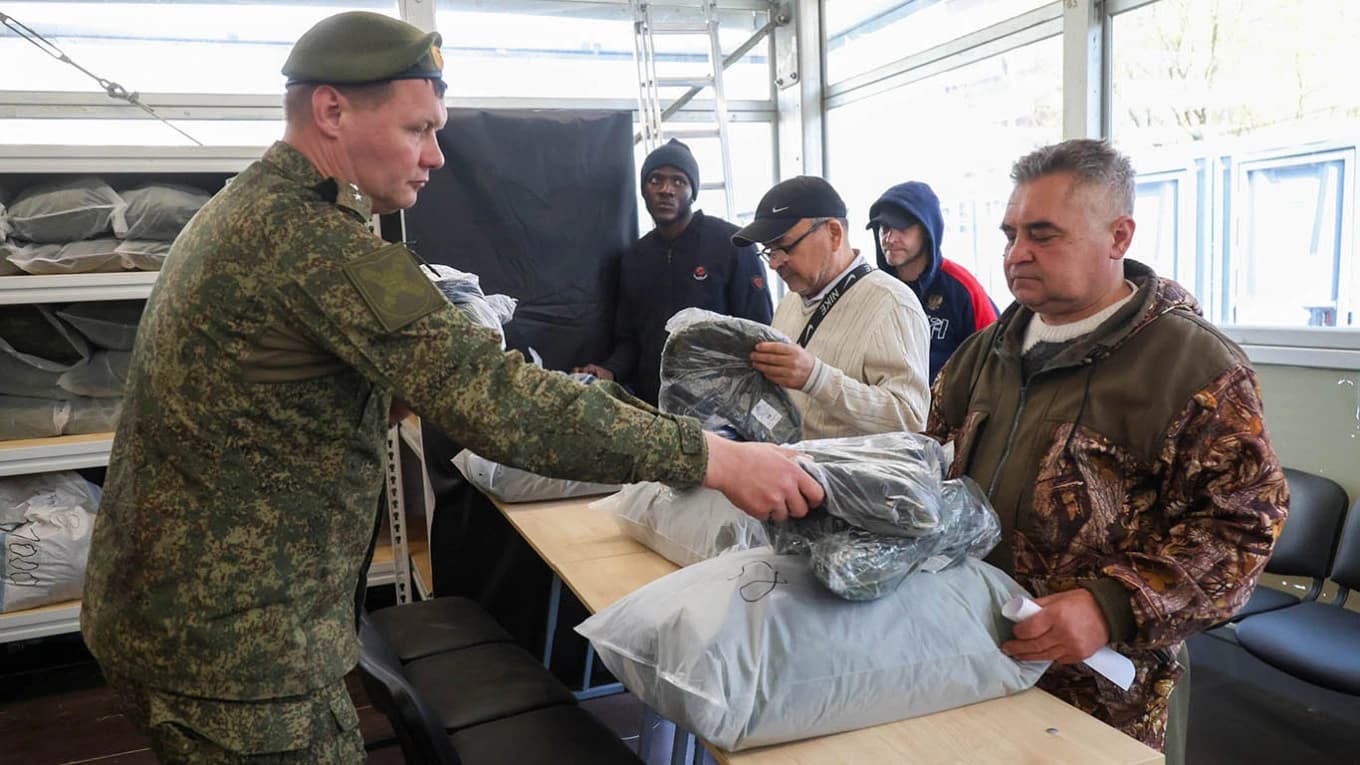
According to the commission, citizens of 48 states were recruited into Russian forces, and in the case of citizens of at least 29 of them it has been proven that they were recruited through deception or coercion. Among these countries are not only former Soviet republics but also states in Africa, Latin America, the Middle East and South Asia — the report names Brazil, India, Turkey and South Africa. 'The Commission found credible evidence that the Government of Russia, in collusion with agents and agencies operating in various regions of the world, recruited citizens of 29 countries into its armed forces through deception or coercion,' the report says.
What happened after arrival in Russia
The authors of the report identified recurring schemes: recruiters targeted the most vulnerable groups of the population and promised peaceful work in Russia, in some cases giving 'guarantees' that the person would not be sent to war. In practice, the commission notes, upon arrival foreigners were forced to sign a contract with the Ministry of Defense in Russian, a language they did not understand; their passports and phones were confiscated, and without adequate military training they were sent to dangerous sections of the front. According to the report, many of these servicemen were killed or went missing within the first days after arriving at the front line.
States' reactions and the shifting of networks
A number of countries have already recognized the problem of the illegal recruitment of their citizens into the Russian army and have begun fighting recruitment networks. The commission also recorded that agents acting in the Kremlin's interests worldwide operate in a coordinated manner — both with each other and with the Russian government at a high level. As the war drags on, it is becoming harder for recruiters to find the required number of fighters, Kun.uz notes citing the report: after Botswana, Kenya and South Africa recognized the problem of the illegal recruitment of their citizens, the attention of pro-Russian agents shifted to more loyal countries — Burundi, Madagascar, Zimbabwe and the Democratic Republic of the Congo.