The key facts
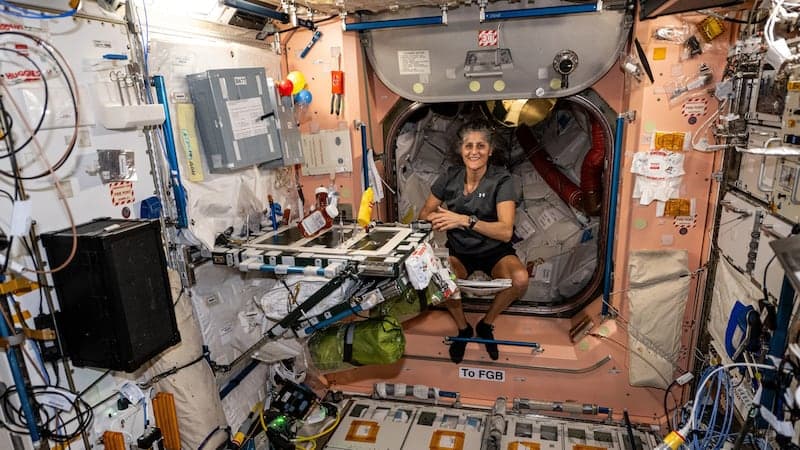
- Sunita Williams spent 286 days on the ISS after the Boeing Starliner failure; recovery took nearly two years
- In October, the UAE launched Altair-1 — the first commercial satellite built entirely in the country
- In May, a 1 billion dirham ($272.2 million) space cooperation programme was announced
Recognition from a spaceflight veteran
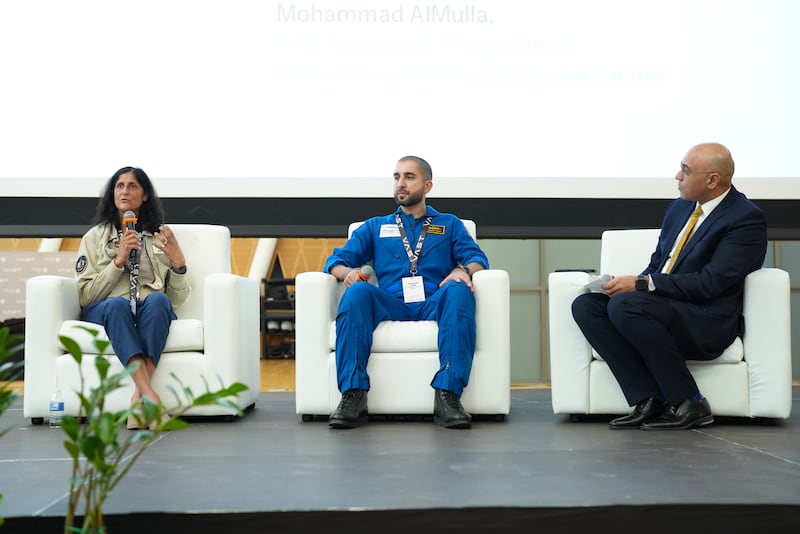
Indian-American astronaut Sunita Williams said at an event in Abu Dhabi that the UAE's commitment to space is evident: the country is already sending its astronauts on missions and intends to cooperate with other nations in scientific discovery. This was reported by The National.
286 days instead of eight
Williams, 61, has spent 608 days in space over a 27-year career. A 2024 test flight planned for eight days turned into 286 days aboard the ISS: the Boeing Starliner spacecraft carrying her crew encountered technical malfunctions and returned to Earth uncrewed. According to her, readjusting to gravity was harder this time — 'this time I was about 10 years older than on my previous flight' — and recovery took nearly two years instead of the one after her earlier mission. She now works as an astronautics advisor at the American company Vast, founded in 2021 and building a commercial alternative to the ISS, which is scheduled to be decommissioned in 2030–2031. The company's first station, Haven-1, is set to launch in early 2027.
Context: what the UAE has already done
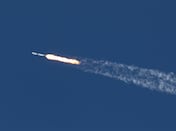
Williams's remarks came against the backdrop of notable steps by the UAE itself. As The National notes, this month, from Vandenberg base in California, as part of the Transporter-18 mission, the Altair-1 was launched — the first commercial satellite designed, assembled and tested entirely in Abu Dhabi; the outlet calls it a major step toward the status of a global player. In May, Dubai's Crown Prince Sheikh Hamdan bin Mohammed unveiled a 1 billion dirham ($272.2 million) strategy with an international space cooperation programme. The National Space Strategy 2031 sets the goal of entering the top ten leading space economies in the world. Salem Al Qubaisi, director of the UAE Space Agency, emphasised that with the emergence of commercial stations, the country has a chance to influence the future of research, while astronaut Mohammad Al Mulla noted that space exploration 'has never been the endeavour of a single person or country' and requires cooperation, including with the private sector.