The key facts
- Russia's Defense Ministry reports that Private Danshin disrupted the control channels of Ukrainian Armed Forces drones and provided cover for assault groups
- The ministry also commended Lance Corporal Zarutsky for speeding up the packing of food ration kits
- Earlier, the Center-2026 exercises included countering drones, with about 500 drones in the air simultaneously
Defense Ministry report on the actions of an EW serviceman
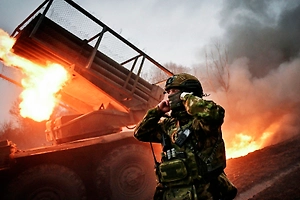
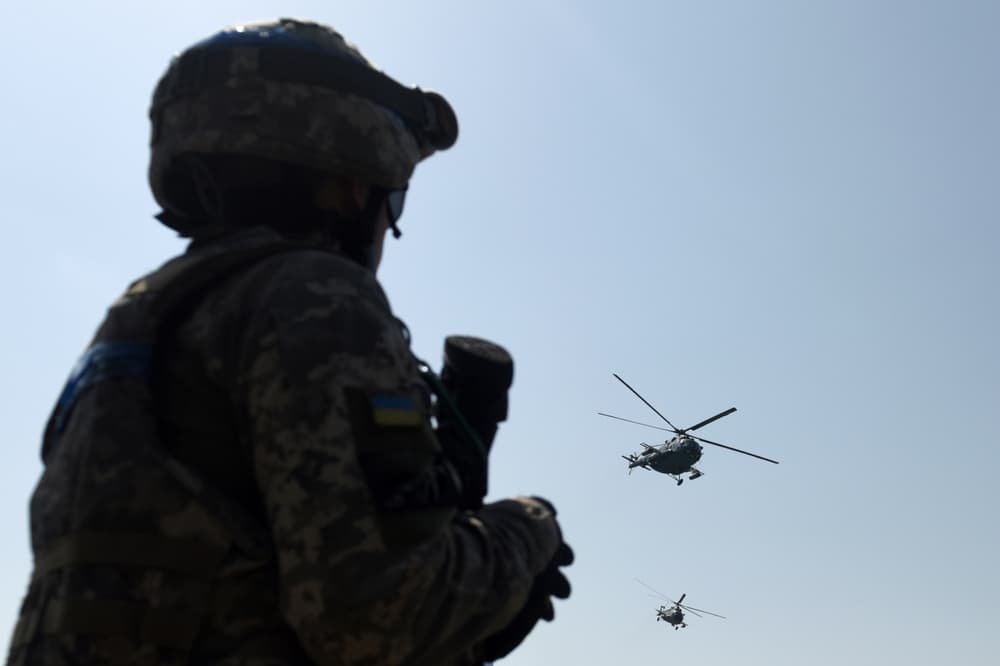
Russia's Defense Ministry reported that Guards Private Alexander Danshin, serving in an electronic warfare unit, suppressed Ukrainian drones and provided cover for advancing Russian assault groups. According to the ministry, thanks to his actions, Russian Armed Forces units were able to advance and seize key enemy strongholds. This information is reported by Life.ru citing the Defense Ministry; the publication contains no independent confirmation.
How Danshin's actions are described
According to the ministry's description, the serviceman established coordination with drone operators and promptly issued commands to activate electronic warfare systems in the required frequency bands, as a result of which the control and data transmission channels of Ukrainian drones were disrupted. In addition, he quickly changed the directions of radio jamming based on information from UAV operators, which, according to the Defense Ministry, allowed Russian drones to continue operating and cover the assault units.
Lance Corporal Zarutsky also commended
In the same statement, the Defense Ministry also commended Guards Lance Corporal Alexander Zarutsky: he proposed improving the preparation of food rations for assault groups, which made it possible to speed up the packing of provisions and ensure timely delivery of meals to the soldiers.
Context: the Center-2026 exercises
Life.ru previously reported that during the strategic exercises Center-2026, Russian troops practiced countering drones and covering advancing units. According to Deputy Defense Minister Yunus-Bek Yevkurov, there were simultaneously about 500 drones in the air; servicemen used FPV interceptors and strike drones to protect assault groups and strike the positions of a simulated enemy. Unlike the exercises, the report about Danshin's actions concerns real combat operations, but it relies solely on data from the Russian military command, and its details — the location, timing, and scale of the offensive — are not disclosed in the publication.