The key facts
- Visit to Tehran by delegations of Saudi Arabia, Pakistan and Turkey amid the threat of new US strikes on Iran
- Riyadh says its goal is to prevent military escalation; Iran stresses that the nuclear program was not discussed
- Russia and Ukraine introduced a ceasefire regime in Alyoshky from October 27; according to the White House, Melania Trump acted as mediator
Meccan Pact delegations in Tehran
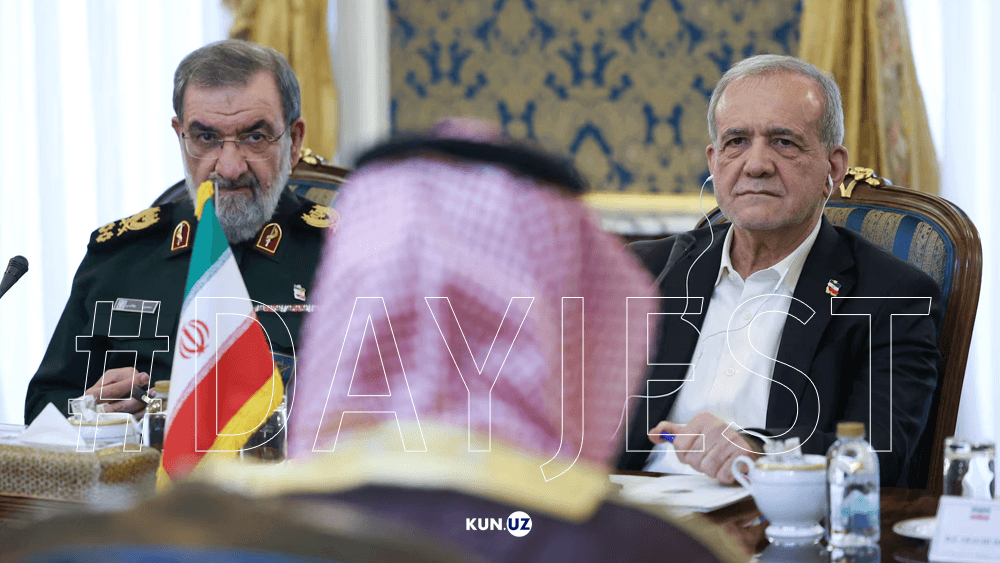
On October 26, top officials of Saudi Arabia, Pakistan and Turkey held meetings with the Iranian leadership in Tehran. According to Kun.uz, citing Reuters, the delegations were led by Saudi Arabia's Defense Minister Prince Khalid bin Salman, Pakistan's army chief Field Marshal Asim Munir, and the head of Turkish intelligence, Ibrahim Kalin. They held talks with Iranian President Masoud Pezeshkian and the Secretary of the Supreme National Security Council, Ali Mohsen Rezaei.
Purpose of the visit and the parties' positions
Riyadh stated that the visit was aimed at opening channels of negotiation to prevent a resumption of military escalation. According to a Pakistani official, Munir received Trump's permission to try the diplomatic path and proposed a compromise to Tehran that takes into account the interests of both the United States and Iran; if the plan is accepted, the guarantors could be the countries of the Meccan Pact and Qatar. The Iranian side emphasized that the nuclear program issue was not raised during the talks. Council Secretary Rezaei said the visit shows that American threats have little influence on the countries of the world, and noted the emergence of a 'new positive atmosphere' in the region.
Escalation context and analysts' skepticism
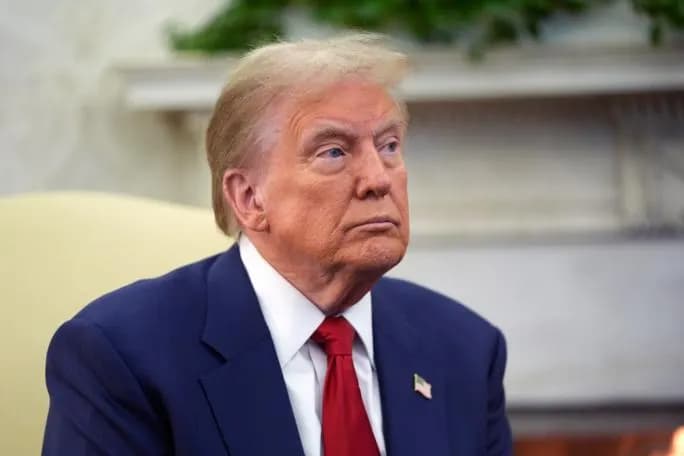
The meetings came amid a period of tension between Washington and Tehran: last week Trump spoke of a possible new US strike on Iran, while Iranian security agencies reported preparations of a plan to attack undersea cables in the Persian Gulf. The same day, the Houthis announced an attack on a Saudi oil pipeline and Riyadh's airport, and Egypt's parliament approved providing military assistance to Saudi Arabia. At the same time, as Kun.uz notes, some analysts do not expect a long-term result, since the Houthis have their own calculations and Iran's influence over them is not absolute.
Ceasefire in Alyoshky
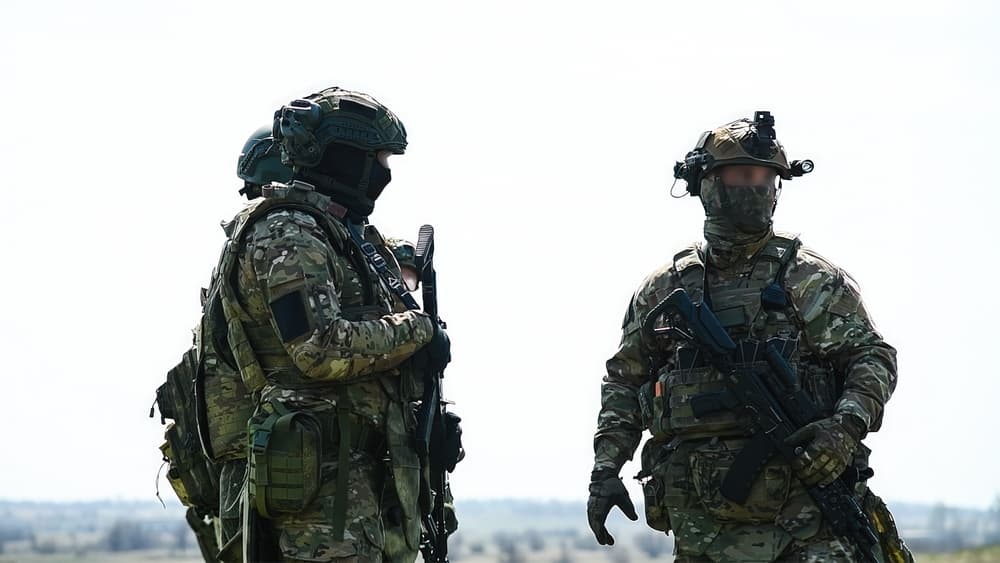
Another piece of news of the day: Russia and Ukraine introduced a regime of cessation of local fighting in the city of Alyoshky in Kherson region, which is under Russian control, to deliver humanitarian aid and evacuate the population. The regime took effect on October 27 at 03:00 local time, and both sides confirmed compliance: Russia's Defense Ministry reported a ceasefire on the Kherson front, while the Ukrainian ombudswoman confirmed that Kyiv is honoring the agreement. According to the White House, the mediator in the agreement was US First Lady Melania Trump. First, doctors, medicines, food and drinking water are to be delivered to the city, after which evacuation corridors will be opened; according to a Kremlin representative, all civilians who wish to leave will be able to do so, and the evacuation itself will take at least several days. Meanwhile, independent media have not yet been able to verify whether the fighting has actually decreased.