The key facts
- Jordan says it killed more than 20 Islamic State militants and destroyed a large weapons depot, acknowledging accidental civilian casualties.
- Syrian civil defense reports seven dead, including five members of one family in Daraa province.
- Amman claims the strikes were coordinated with Damascus; Syria's Foreign Ministry denies this.
The strikes and their stated targets
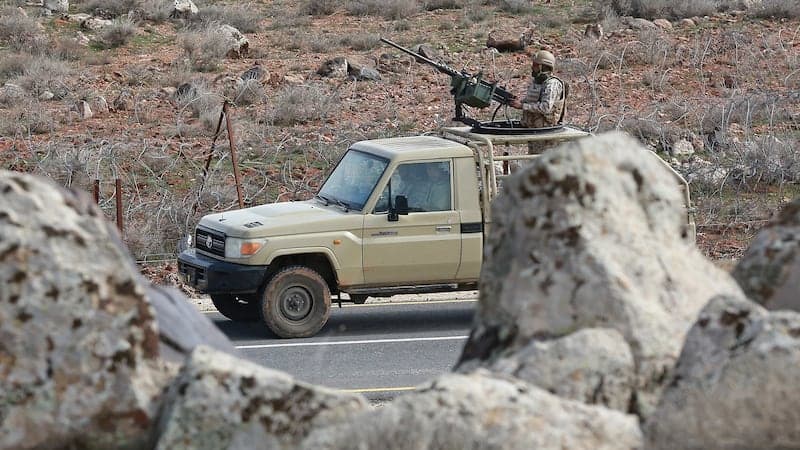
On the evening of October 26, the Jordanian Air Force carried out a series of strikes on southern Syria, citing 'hideouts of terrorist organizations' as targets. The military command reported that aircraft destroyed a number of militant facilities along with vehicles, and said the operation was a response to the recent attack on a Greek Orthodox church in Karak, Jordan, which reportedly killed nine people. Government spokesman Mohammad al-Momani stated that more than 20 members of the 'Islamic State' were killed and a large weapons depot was destroyed; according to him, the strikes followed intelligence about 'imminent terrorist threats.' He added that civilian objects were 'avoided,' expressed regret over 'unintended casualties,' and emphasized 'deep respect' for the Syrian state and people (euronews).
Civilian casualties
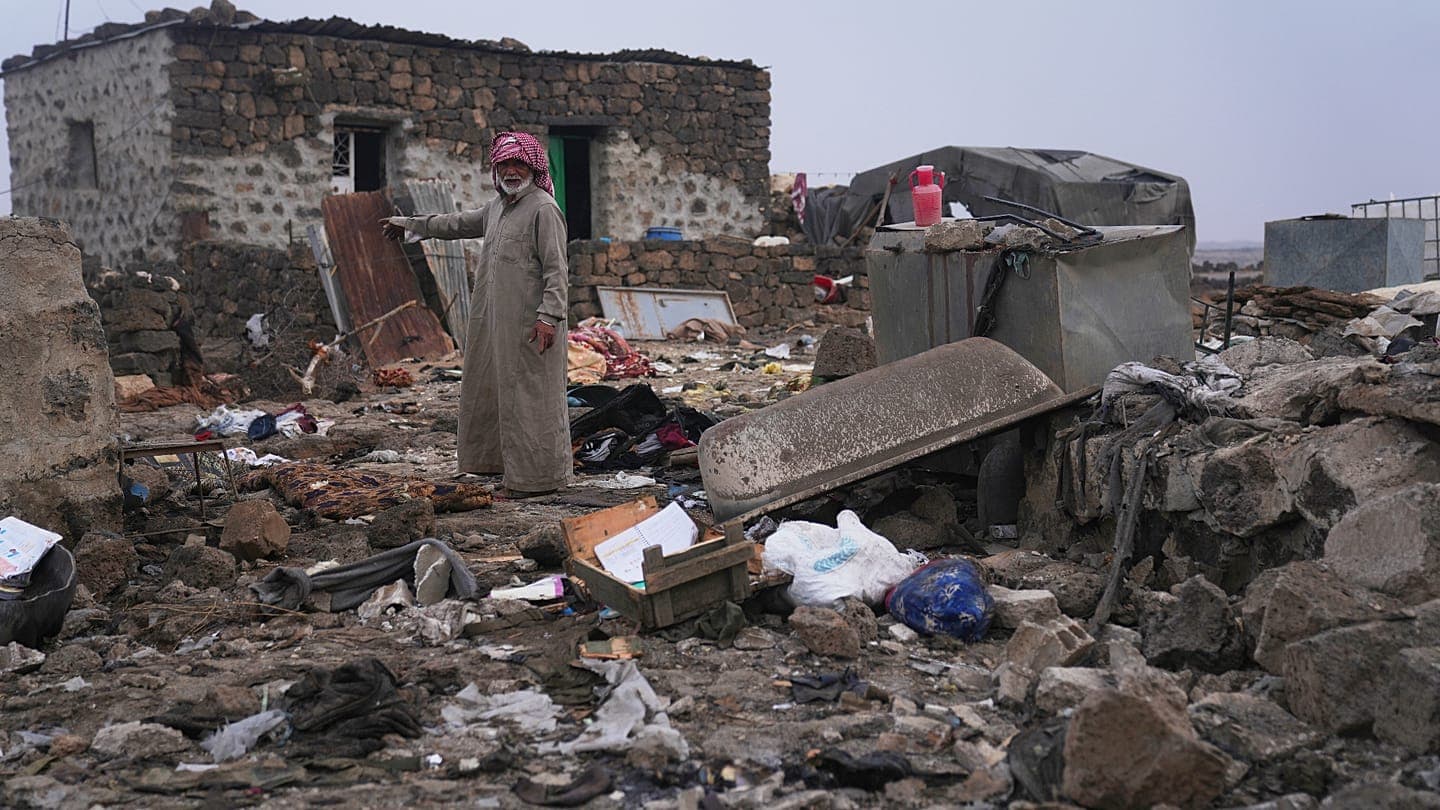
The Syrian civil defense agency put the number of civilians killed at seven. According to its data, in Daraa province the strike killed five members of one family — three children, a woman and a man; an 80-year-old resident of Daraa and a 60-year-old in Suwayda province were also killed. Nassouh al-Salim, a resident of the village of Al-Taf, told AFP: 'We were asleep when a rocket hit us. My mother, my older brother and his three children were killed — two boys and a girl.' The Russian-language version of euronews specifies that all seven of the dead were members of one family.
The trigger and the dispute over coordination
The operation was prompted by a shooting at a funeral procession at the Church of Saint George in the village of Hamoud in Karak province on October 23, where three armed men opened fire on the gathered mourners: according to Reuters, nine people were killed and at least 34 wounded — a rare attack on a religious site in Jordan. The key contradiction between the parties concerns coordination: the Jordanian side claims the strikes were agreed in advance with the Syrian government, while Syria's Foreign Ministry denies this, calling Amman's actions an 'unacceptable violation' and an incursion into Syrian airspace 'without any prior coordination.' Thus, at this point it remains unconfirmed whether such an agreement existed: each side maintains the opposite version.