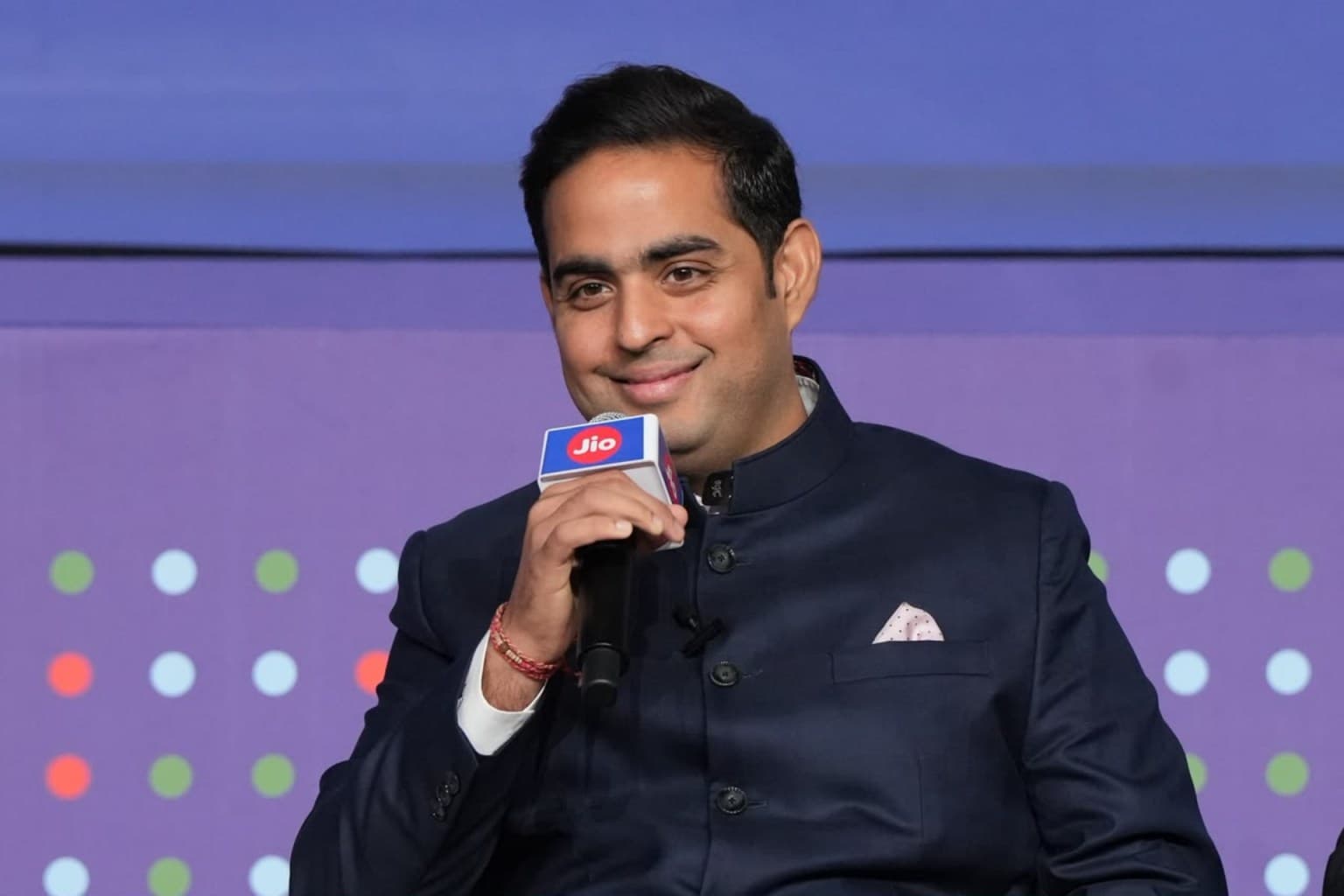
The key facts
- Jio Platforms' $3.2 billion IPO is the largest offering in India's history; bids exceeded the offering within the first hours of subscription on 21 October
- Jio Platforms' $3.2 billion IPO is the largest offering in India's history; bids exceeded the offering within the first hours of subscription on October 21
- Analysts expect a turning point in pricing strategy: growth in revenue per subscriber instead of price dumping
- A possible tariff increase would affect hundreds of millions of subscribers and could ease pressure on Vodafone Idea
- A possible tariff increase will affect hundreds of millions of subscribers and could ease pressure on Vodafone Idea
The largest share offering in India's history
Jio Platforms — a telecom giant owned by Asia's richest man, Mukesh Ambani, and backed by investments from Meta and Google — goes public on Wednesday. The IPO is worth $3.2 billion, making it the largest share sale in India's history. Despite a difficult period for the Indian market, demand proved high: bids from the world's largest funds, local institutional investors and retail subscribers exceeded the offering within hours of the subscription opening on 21 October. BBC News reports on this.
How Jio transformed the market
The company stormed into India's telecom market in 2016 with rock-bottom tariffs that gave millions of Indians access to the internet. Over three years, subscribers' data consumption grew fiftyfold, and data prices collapsed. The flip side was market consolidation: a sector that once had 17 operators shrank into an oligopoly of three companies, and critics accused Jio of waging a price war that drove competitors out. By 2026, the company had accumulated about 553 million mobile subscribers, controls 50% of the wireless broadband market and more than 40% of the fixed-line segment, and carries 60% of the country's mobile traffic — the broker Emkay Global calls it 'India's digital engine'. Recently, Elon Musk also criticised Ambani, calling him 'India's real boss' and suggesting that Jio was trying to block Starlink's entry into the Indian market; Reliance rejected the accusations, saying it welcomes competition with Musk.
The end of the era of cheap tariffs?
According to analysts quoted by the BBC, the listing could mark a turning point in the company's pricing strategy: the founders are diluting about 3% of shares, and a publicly listed Jio will be required to report to minority shareholders, which structurally reduces the incentive to keep prices low. 'The era of using cheap tariffs as a weapon to grab market share is coming to an end,' said Nithya Shah, co-founder of KamayaKya Wealth Management. In its note, the broker Motilal Oswal points out that the company's growth will now depend not on attracting subscribers with discounts, but on increasing revenue per subscriber — through 5G adoption, successive tariff revisions and the expansion of fixed wireless broadband. The listing could also open the door to price increases for competitors: according to Shah, the main beneficiary is Vodafone Idea, whose 'sector-weakest balance sheet is getting the strongest tailwind'. For consumers, a new price hike would be the second in a row, following the industry-wide tariff increase several years ago; analysts allow for price-sensitive subscribers switching to the cheapest offerings.
What investors are betting on
The IPO is a bet on India's insatiable appetite for data: the country has become the world's second-largest consumer of mobile traffic. Jio's monthly data consumption per subscriber grew from 28.7 GB in 2024 to 42.3 GB in 2026 (+52% over two years), and by some estimates will reach 65 GB by the end of the decade. Investors are also drawn to the company's ecosystem of digital services — entertainment, cloud computing, gaming and financial services; according to Moody's, the listing will increase transparency and give the market a clearer valuation of a company that is currently part of the Reliance Industries conglomerate. Additional excitement stems from the fact that this is the first offering from the Reliance empire in more than two decades: founder Dhirubhai Ambani played a key role in popularising equity investment among the general public in the 1980s and 1990s, and the company itself, in the words of Kranti Batini of WealthMills Securities, 'has consistently delivered annual returns of around 30% for thirty years' — hence expectations that 'the same magic' will repeat itself with the Jio IPO. Meanwhile, Reliance Industries shares have fallen almost 20% over the past year.
 Image source, AFP via Getty Images
Jio's cheap tariffs democratised internet use in India a decade ago
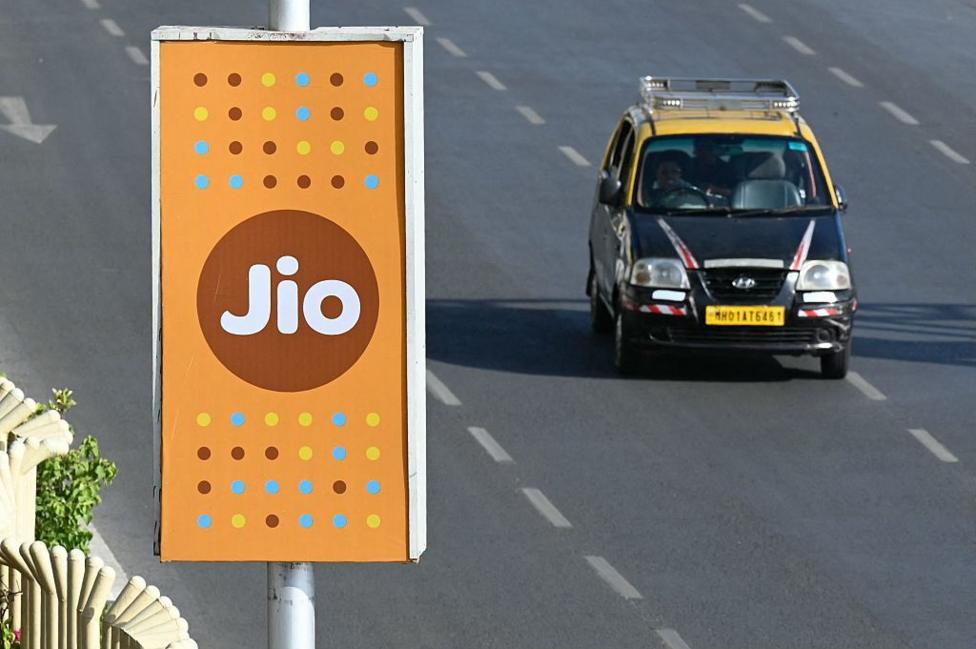 Image source, AFP via Getty Images
At $3.2bn, the Jio Platforms IPO is India's biggest share sale