The key facts
- After eight years at Meta, Rohit Patel has launched Ndoc — a single workspace replacing a set of office tools
- The product combines presentations, analytics with citations, and datasets with Python scripts that can be verified
- Ndoc is launching without external funding amid competition with OpenAI Space, Gemini, and the enterprise AI tools of Anthropic and Meta
Leaving Meta and launching Ndoc
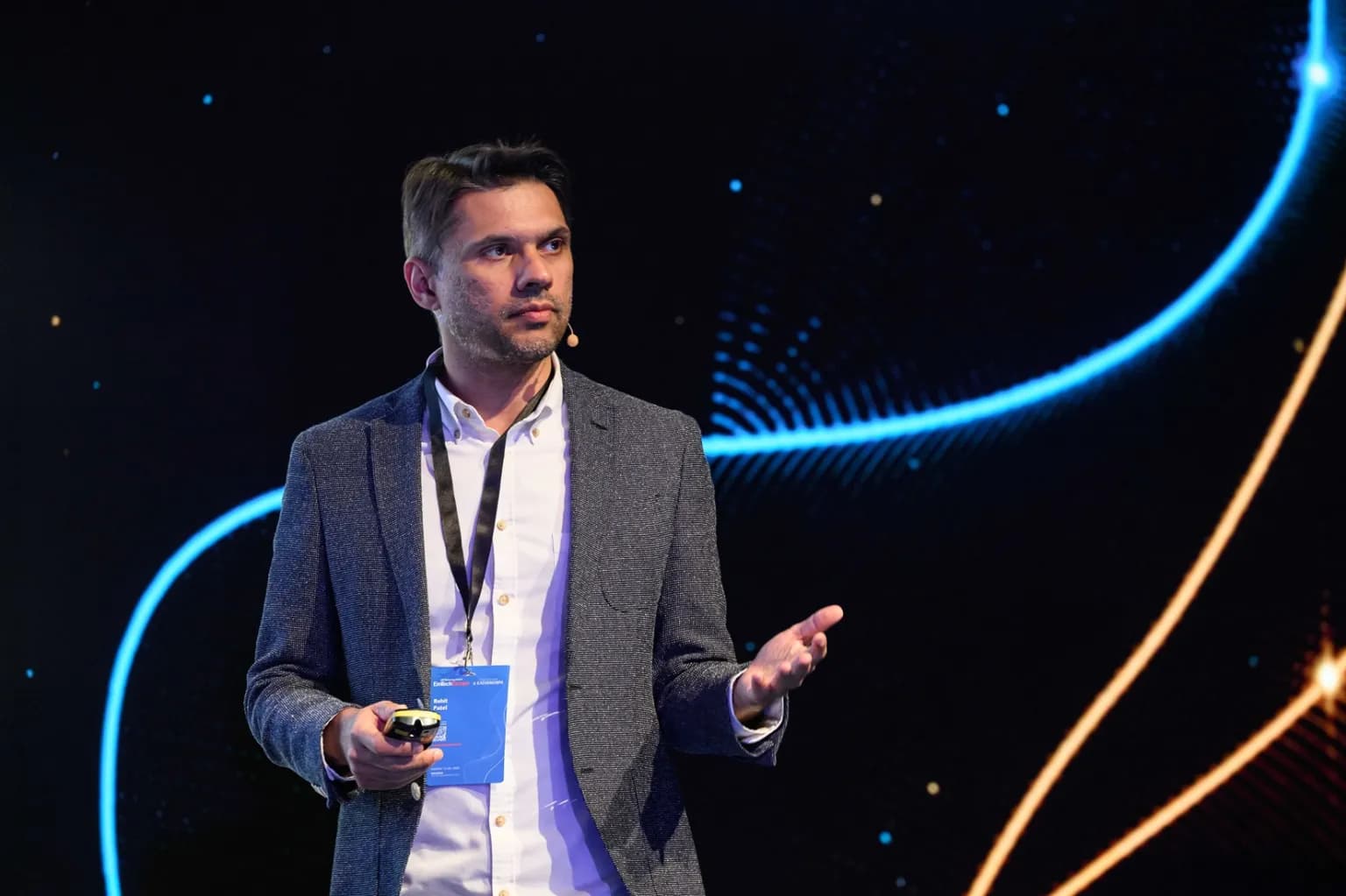
Rohit Patel, former director at Meta Superintelligence Labs, after eight years working on AI at Meta, has left the company and launched the startup Ndoc, which is positioned as a replacement for the Microsoft Office or Google Workspace suites. TechCrunch learned about this. Patel became another notable departure from Meta, following head of global policy Joel Kaplan, AI researcher Andrew Tulloch, and head of product for AI work tools Emily Dalton Smith.
What the product is
Ndoc is conceived not as yet another AI tool layered on top of existing processes, but as a single workspace replacing fragmented work in Excel, Word, PowerPoint, Tableau, Replit, and 'copy-pasting into ChatGPT.' The interface consists of three tabs: Stage — for presenting results (slides, dashboards, simulations, mini-apps), Narrative — for analyses with numbered citations and generated charts, and Model — for the underlying datasets and Python scripts. Colleagues can access the workspace even without being registered with Ndoc.
AI verifiability as the key idea
The design reflects Patel's experience at Meta, where he worked on reinforcement learning and evaluating the reliability of AI outputs. His logic: if AI creates spreadsheets and presentations on which companies make decisions, someone must be able to verify its work. A user, even without knowing Python, can ask the chat what a script does and in which line a formula is located, and check it. 'Nothing here is hidden behind a curtain,' Patel said. The system also maintains memory at the user, document, team, and company levels, and the platform is built on a mix of open models, which, according to the founder, makes it significantly cheaper to operate than solutions based on frontier models.
An open format and a bet against the giants
Patel wants to reinvent the file itself: documents are exported to a single '.ndoc.html' format that opens in any browser, and this format is planned to be opened up — so that developers can build applications without being locked to Ndoc, as they have been locked to Microsoft or Google for years. The desire to open the format was one of the reasons for leaving Meta, where, in his words, approving such a decision would have required 'hundreds of people and opinions.' The bet is ambitious: a three-person team with no funding is entering a market where OpenAI, Anthropic, Meta, SpaceXAI, and Google have already released enterprise AI tools that integrate with Google Workspace and Microsoft 365, and in September OpenAI launched Space — a shared workspace inside ChatGPT, a direct competitor to established office suites. Patel acknowledges that Space could become a threat, but believes the labs are heading in the wrong direction: 'Companies simply attach AI to spreadsheets, and it fills in the cells for you… It's as if you had just discovered electricity and decided the best use was to hang lamps on the oxen plowing my field. No. Take a tractor.'
Current status
The founder understands how hard it is to change habits, so he has built in connectors for importing data from tools already in use. According to him, he will not raise investment until he sees evidence that users like the product. Since Tuesday, Ndoc has been running a corporate pilot and opening the alpha version to a limited number of clients from the waitlist: registration is free, with usage and tokens paid. A beta is expected in the coming weeks, with a full launch next year.