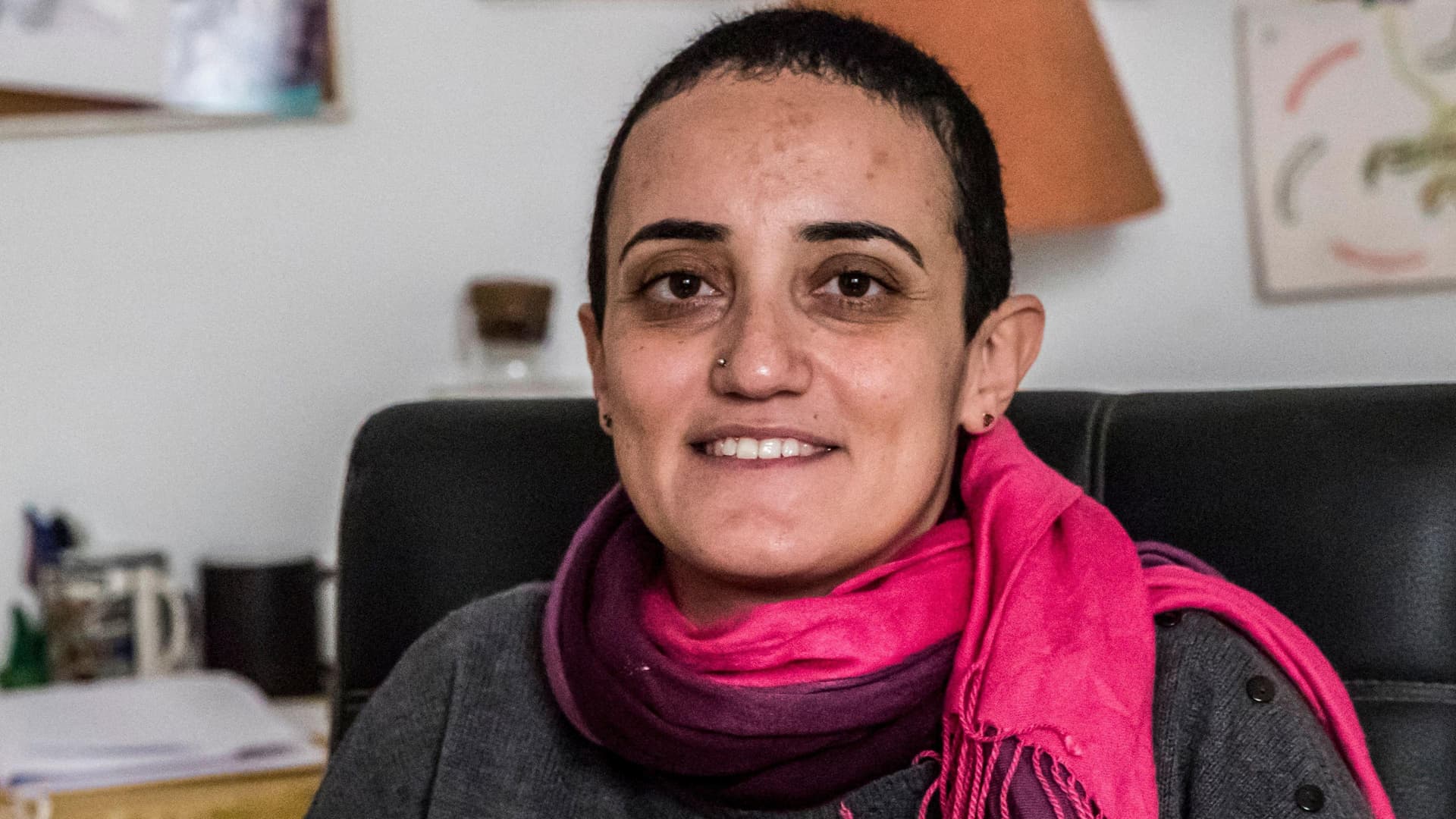
The key facts
- The New Cairo Misdemeanor Court fined Lina Attallah 3 million pounds (the maximum under the article) and ordered the closure of Mada Masr with confiscation of equipment
- The New Cairo court fined Lina Attallah 3 million pounds (the maximum under the article) and ordered Mada Masr's closure with confiscation of equipment
- Attallah was released a few hours after the fine was paid; she learned of the 2024 in-absentia sentence — one year in prison, with a review scheduled for November 11
- The ruling was condemned by Amnesty International, CPJ, RSF, and a coalition of 119 organizations; it is the sixth case against the outlet in six years
- The ruling was condemned by Amnesty International, CPJ, RSF and a coalition of 119 organisations; it is the sixth case against the outlet in six years
Court issues verdict at the very first hearing
The New Cairo Misdemeanor Court on Tuesday, October 27, found Lina Attallah, editor-in-chief of the independent Egyptian website Mada Masr, guilty of operating the site without a license and imposed the maximum fine — 3 million Egyptian pounds (about $53,000–54,000 according to various outlets' calculations). The court also ordered the closure of the site and the confiscation of its equipment and property. The case was considered under Article 105 of the 2018 media law, which provides for a fine of 1 to 3 million pounds and allows the court to shut down unlicensed websites. The verdict was announced at the end of the first hearing of the proceedings, reports The National.
Detention, release and an unexpected in-absentia sentence
After the verdict was announced, Attallah was detained, but was released the same evening: Mada Masr paid the fine in full, confirms Deutsche Welle citing lawyer Hassan al-Azhari. During the release procedure, according to the outlet, Attallah learned of another ruling — an in-absentia sentence of one year in prison issued in 2024 on charges of spreading false news and operating an unlicensed website (DW adds that a fine of 20,000 pounds was also imposed in that case). Lawyers appealed that verdict; the review hearing is scheduled for November 11. The current decision to close the site is also intended to be appealed.
Course of the hearing: the judge appointed a defense lawyer the defense did not know
The hearing proceeded in an unusual manner. Judge Mohammed Mubarak ordered the courtroom cleared, leaving only the defendant, her eight lawyers, and Hossam Bahgat, head of the human rights initiative EIPR (according to The National, a former editor of Mada Masr). According to Bahgat, quoted by AFP, the court rejected the defense's procedural motions — including requests to review the case file and present additional evidence — and appointed a lawyer from the lawyers' syndicate for Attallah whom her defense team did not know. Attallah objected to this substitution, but the judge refused to record the objection in the minutes; then, according to Bahgat, the judge 'dictated motions on behalf of this lawyer, who did not utter a single word,' and entered them into the record. The verdict was announced 'amid shouts and protests from the defense.'
Years-long conflict with the authorities over the license
Mada Masr, founded in 2013, is one of the few remaining independent outlets in Egypt, known for its investigations into corruption, human rights abuses, and the role of the military. Access to the site has been blocked inside the country since 2017. The outlet applied for a license to the Supreme Media Regulatory Council (SMRC) after the 2018 law was adopted: according to CPJ, the applications were rejected or went unanswered; according to the outlet's own account, cited by DW, it applied three times — in 2018, 2020, and 2023 — and learned of the rejection of the first application only in 2022, when prosecutors raised the issue in another case, while the 2023 application still has received no response. This is the sixth case against the outlet or its journalists in six years, but the first proceeding of this kind. A week before the verdict, on October 21, the Supreme State Security Prosecution interrogated Attallah for more than six hours — including over the site's recent report on a wave of protests in prisons across the country — after which it released her on bail of 100,000 pounds and referred her to court the next day on charges of operating without a license.
Reaction and context: pressure on independent media
The court ruling drew widespread international criticism. Amnesty International called the verdict 'a crushing blow to press freedom' and 'a dark day for independent journalism' in Egypt, while Yasmin Ahmed, senior director of the group's regional impact team, said the sentence was 'the culmination of years of relentless persecution' aimed at shutting down one of the country's last independent voices. A coalition of 119 human rights organisations and media outlets, including Amnesty, Human Rights Watch and CPJ, described the prosecution as 'an unprecedented assault on press freedom'; Reporters Without Borders characterised the decision as 'outrageous' and 'shameful'. CPJ's regional director Sara Qudah warned: 'If Egypt can detain one of its most respected editors and shut down her newsroom, no independent journalist in the country is safe.' US Senator Chris Van Hollen also voiced criticism, calling the charges baseless.
The bigger picture
The case comes against the backdrop of broader pressure on independent journalism in Egypt. A few weeks earlier, in September, six journalists from the fact-checking outlet Matsda2sh (DW writes Matsadaash) were arrested; they face charges of terrorism and links to the banned Muslim Brotherhood organisation, as well as spreading false information to undermine trust in state institutions. According to EIPR, the journalists reported being tortured after their arrest — Egypt's Interior Ministry denies this; on Tuesday the prosecution extended their detention by another 15 days. Estimates of the number of journalists imprisoned in Egypt in connection with their professional work vary between sources: CPJ puts the figure at 25, EIPR at 26. Egypt ranks among the world's leaders in the number of jailed journalists. The country's authorities, as DW notes, claim they uphold freedom of speech, but insist that the media must comply with the law, protect national security and counter disinformation.
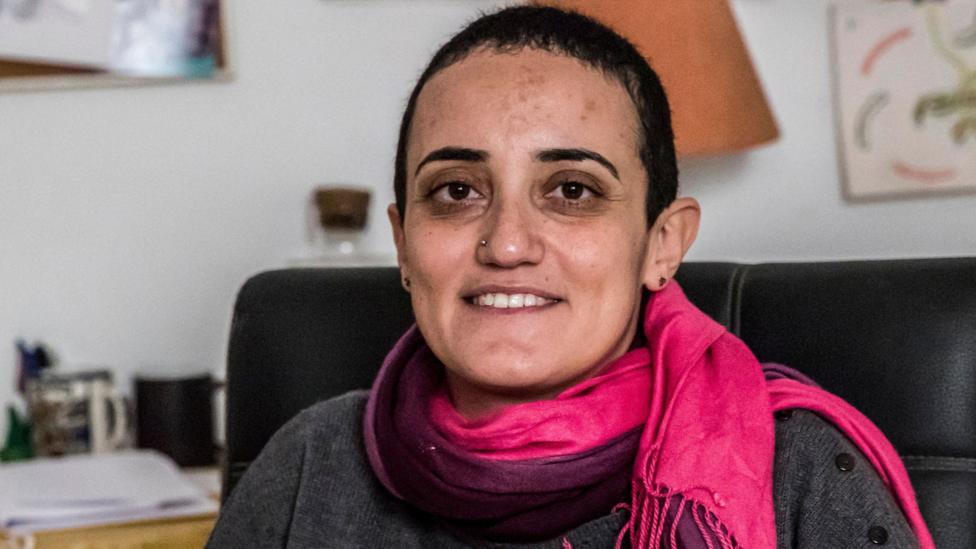 Image source, AFP via Getty Images
Amnesty International called the verdict against Lina Attalah 'a crushing blow to press freedom' (file photo)