The key facts
- The ceasefire in Oleshky has been in effect since 03:00 Kyiv time (04:00 Moscow time) on October 27
- The humanitarian mission is scheduled for October 29; evacuation is voluntary, to Russia or Ukraine
- Estimates of the number of remaining residents differ: about 2,000 (Ukrainian and American estimates) versus 6,000 according to Kyiv's estimate cited by BBC
The ceasefire has come into force
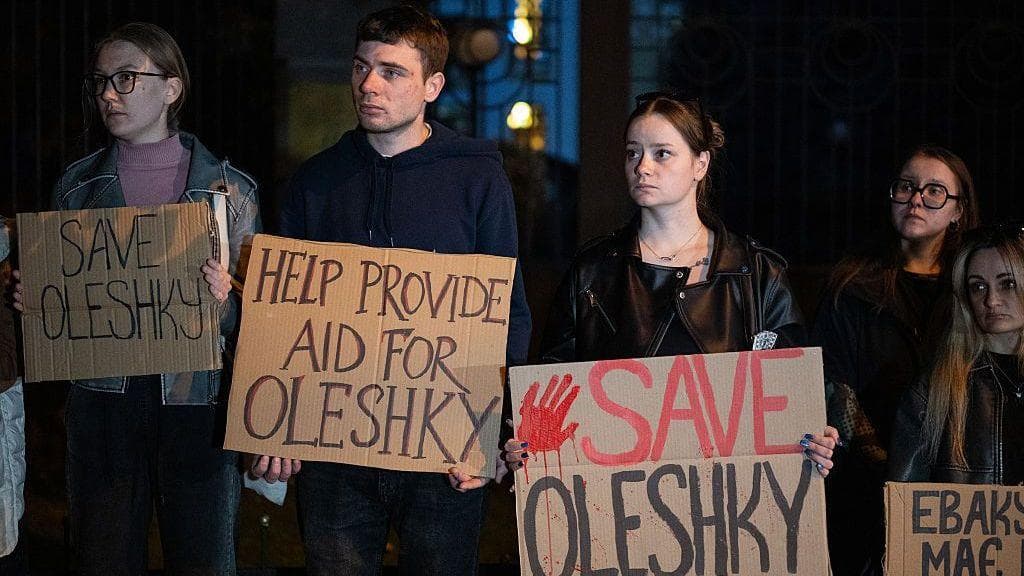
Early in the morning of October 27, a local ceasefire came into force in the area of Oleshky, a city in southern Kherson region occupied by Russia, intended to open the way for humanitarian aid and the evacuation of civilians. The guns fell silent at 03:00 Kyiv time (04:00 Moscow time). Russia's Defense Ministry said on Telegram that it had halted firing in the Kherson sector «in connection with preparations for a humanitarian operation», while Ukrainian ombudsman Dmytro Lubinets confirmed that the Ukrainian side is honoring the agreement. As AFP notes, it has not yet been possible to independently verify a reduction in the intensity of fighting.
Melania Trump's role and the operation plan
According to Kun.uz, the dates for the ceasefire and the humanitarian mission were proposed by the American side; the agreement itself, according to Zelensky and a White House statement on October 23, was arranged by the team of US First Lady Melania Trump, who had earlier met with UN officials briefed on the situation in the city. The humanitarian mission is scheduled for October 29. Under the plan, Russia will demine the roads and Ukraine will prepare the evacuation of remaining residents; civilian representatives of both countries are to go door to door and determine what help each family needs. Melania Trump said that those wishing to evacuate will be given transport to a destination of their choice — some, she expects, will go to Russia and some to Ukraine; the American TV channel Newsmax will accompany the observers, having received, in its words, «exclusive television access». The parties have not disclosed who will monitor compliance with the ceasefire or how long it will last; according to one version, the regime may remain in effect until Saturday.
The humanitarian situation in the city
Oleshky, which had a population of about 24,000 before the war, was seized by Russian forces in the first days of the full-scale invasion in February 2022 and was badly damaged by the flooding that followed the destruction of the Kakhovka dam in June 2023. Estimates of the number of remaining residents differ: Deutsche Welle, euronews and AFP, citing Ukrainian and American estimates, put the figure at about 2,000 people, including up to 50 children, whereas BBC cites Kyiv's estimate of about 6,000 people, including 200 children. According to the UN, residents face an acute shortage of food and medicine, while mines and drone attacks prevent them from leaving. Former residents told AFP that those who remain are starving and sometimes hunt pigeons. Russian ombudswoman Yana Lantratova, for her part, said that most of those wishing to leave had already left the city «entirely of their own free will». Ukraine has previously accused Russia of obstructing residents' departure; Moscow denies these accusations.
While Oleshky is quiet, Kyiv is under fire
The local ceasefire did not stop the war in the rest of the country: shortly after 03:00, Kyiv was shaken by explosions of ballistic missiles. Mayor Vitali Klitschko reported damage to the Southern Bridge across the Dnipro and its metro infrastructure; train service across the bridge has been suspended. The day before, on Monday, a strike on a university campus in Kyiv killed one person and wounded ten, including students from a dormitory; medical facilities in the capital were also hit. In Kharkiv, according to the authorities, two people were killed and four more wounded. President Volodymyr Zelensky said the strikes hit crowded areas with no military targets nearby and wrote that «the world must see: Russia is demonstrating only a desire to kill and to continue the war». The ceasefire in Oleshky is scheduled ahead of a new round of trilateral talks between the US, Russia and Ukraine, expected in November after a months-long pause that, according to AFP and DW, began following the joint US and Israeli strikes on Iran in February.
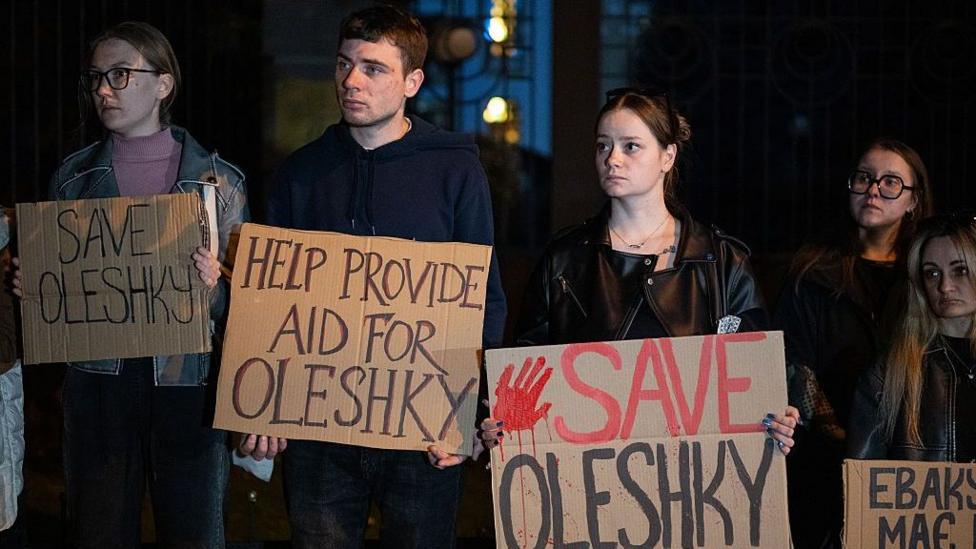 Image source, Getty Images