The key facts
- Russia's Foreign Ministry called NATO statements about the Baltic as the alliance's 'internal sea' grounds for 'deep concern'
- According to diplomat Vladislav Maslennikov, the EU is not lagging behind NATO in militarizing the Baltic
- In early October, Estonian Foreign Minister Margus Tsahkna claimed NATO could close off the Baltic Sea within a few hours
Russia's Foreign Ministry responded to NATO statements about the Baltic
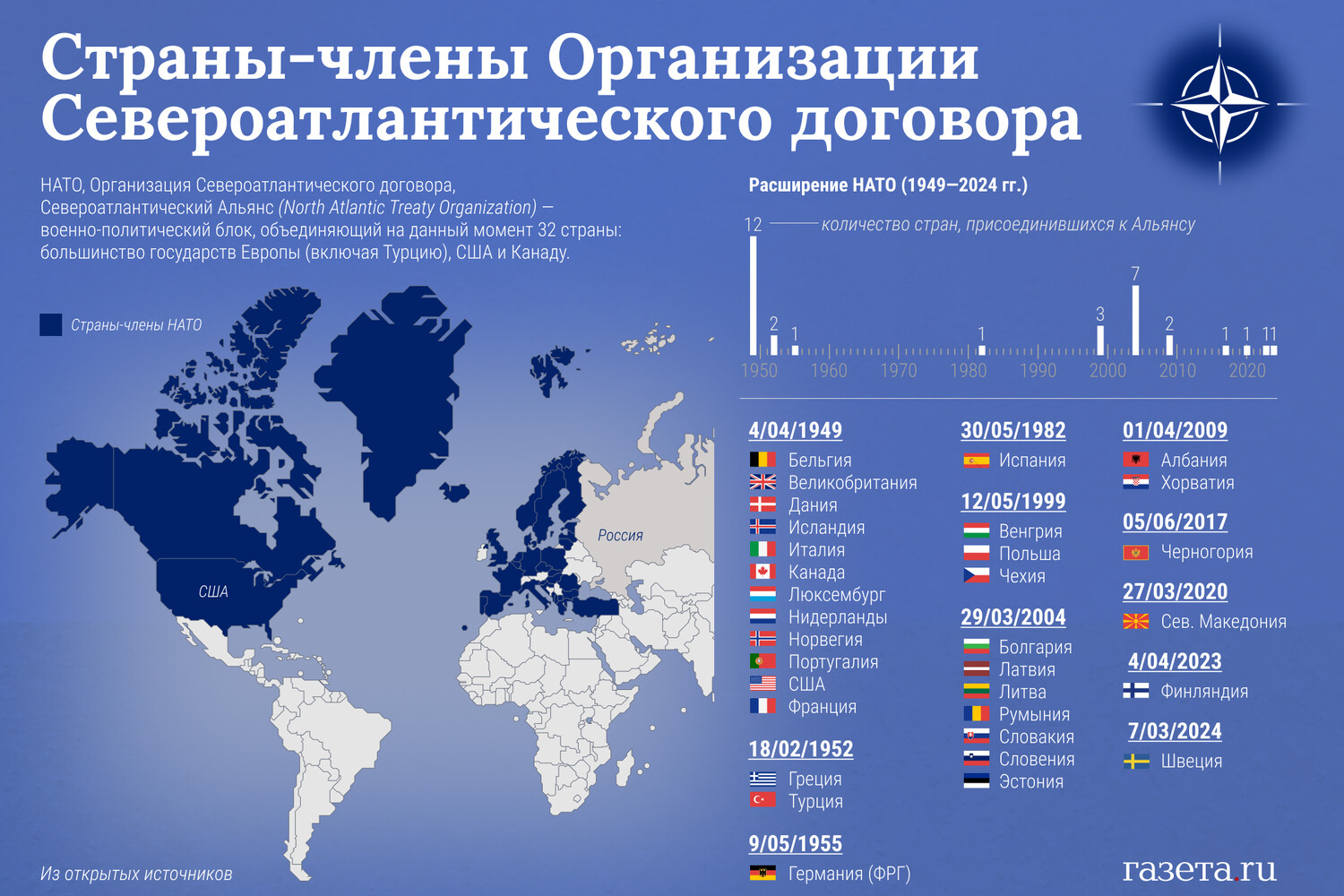
NATO statements describing the Baltic Sea as the alliance's 'internal sea' have caused 'deep concern' at Russia's Foreign Ministry. Vladislav Maslennikov, director of the ministry's European problems department, told RIA Novosti. According to him, NATO 'has long been speaking about its desire to make the Baltic an internal sea of the alliance.' The diplomat added that the EU is not lagging behind the alliance in efforts to militarize the Baltic, which is making the situation in the region more complicated.
Context: Estonia's statements and Moscow's reaction
In early October Estonian Foreign Minister Margus Tsahkna statedthat in the event of a war between Russia and NATO, alliance countries would allegedly be able to close off the Baltic Sea within a few hours, blockading the Russian Baltic Fleet and cutting off the Kaliningrad region. Against this backdrop, Russia's Foreign Ministry noted NATO's increased military activity in the region and an attempt to establish control over transport routes.
What's important to know
The exchange of statements over the status of the Baltic Sea touches on the security of a key transport region, including the Kaliningrad region, which was directly mentioned in the Estonian minister's remarks. In practical terms, this means a continued build-up of military activity in the region, which the parties themselves — both Russia's Foreign Ministry and, according to it, NATO and the EU — confirm. The publication reports no specific new measures by any of the parties, so it is not yet possible to speak of changes on the ground.