The key facts
- The drug Dipiaron for type 2 diabetes has passed the first phase of clinical trials; in July the Ministry of Health authorized the second phase involving 308 patients.
- The drug acts on the GPR119 receptor, stimulating the production of the body's own hormones in the gut, and is intended as capsules rather than injections.
- If the research is completed successfully, entry to the Russian market is possible no earlier than 2028.
The Volgograd State Medical University development has passed the first phase of trials
Russian scientists have developed the drug, which in the future may also be used against obesity. This is reported on the website of the Volgograd State Medical University; the drug has already passed the first phase of clinical trials.
The mechanism of action differs from Ozempic
The university's vice-rector Denis Babkov told RIA Novosti: the new drug differs from Ozempic in its mechanism of action — it acts on the GPR119 receptor, thereby stimulating the production of the body's own hormones in the gut that are involved in regulating blood sugar levels. According to the scientist, in animal experiments Dipiaron demonstrated the ability to preserve and restore pancreatic cells responsible for insulin production.
Safety and dosage form
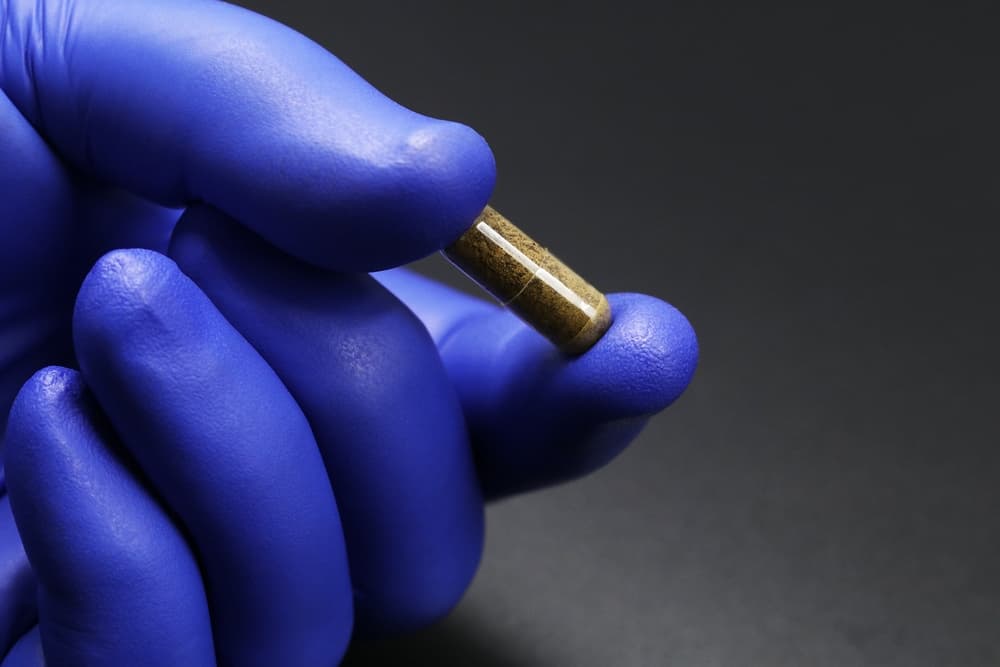
The developers have ensured that the active substance works mainly in the gut and hardly enters the bloodstream. Laboratory studies found no toxic effects on liver and heart cells, however final conclusions about safety can only be drawn after the trials on humans are completed. Unlike a number of modern diabetes and obesity drugs administered by injection, Dipiaron is intended to be taken in capsule form.
Second phase and market timeline
In July, the Ministry of Health authorized the start of the second phase of trials, involving 308 patients with type 2 diabetes. The scientists will have to determine how effectively the drug lowers blood glucose levels and to select optimal dosages. If the research is completed successfully, the drug could appear on the Russian market no earlier than 2028.
Context and data limitations
Earlier, Life.ru reported that taking Ozempic and similar weight-loss drugs is sometimes accompanied by the restoration of reproductive function in women: gynecologist Boris Lordkipanidze explained that weight loss can help normalize hormonal balance and restore ovulation, increasing the likelihood of natural conception. At the same time, the doctor emphasized that such drugs are not intended to treat infertility, and their uncontrolled use is dangerous to health. As for Dipiaron, there is no data yet on its effectiveness in humans: the second phase is only beginning, and conclusions about the drug's benefits and safety will only be possible based on its results.