The key facts
- Nine people were killed in the attack on the Greek Orthodox church in Karak province — all men, including a doctor and a dentist
- Queen Rania, Crown Prince Hussein and the princesses attended the funeral in the village of Hamoud
- King Abdullah II called the attack terrorism; the Interior Ministry reported the detention of three suspects
Farewell to the victims
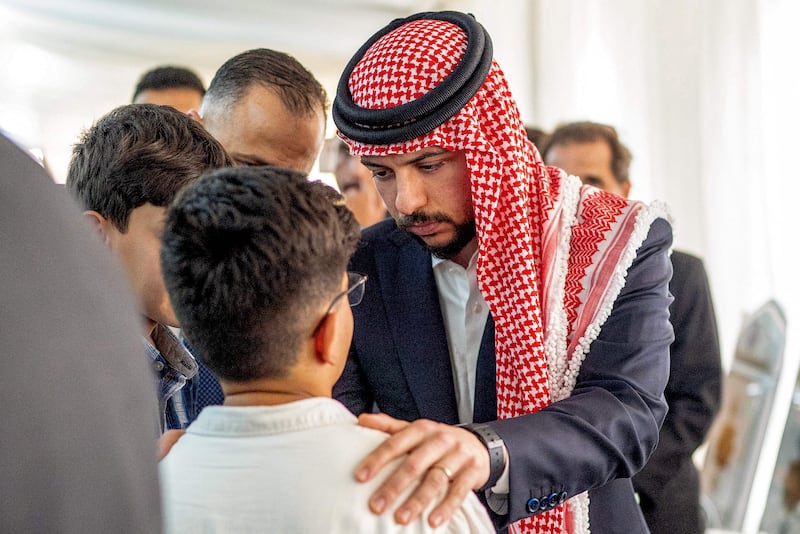
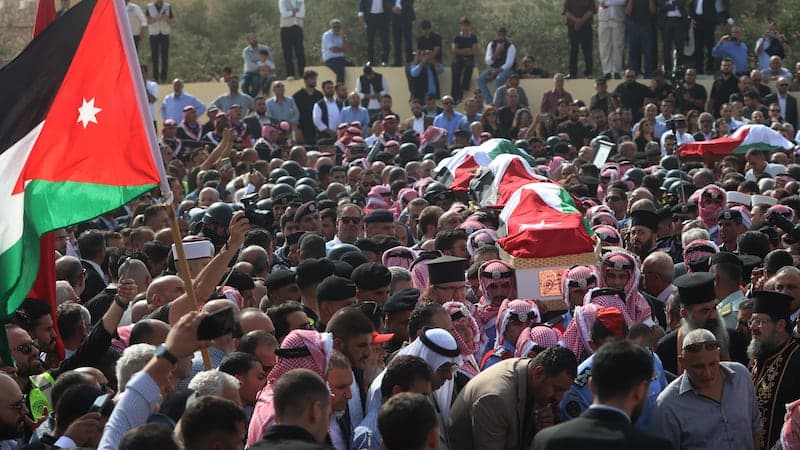
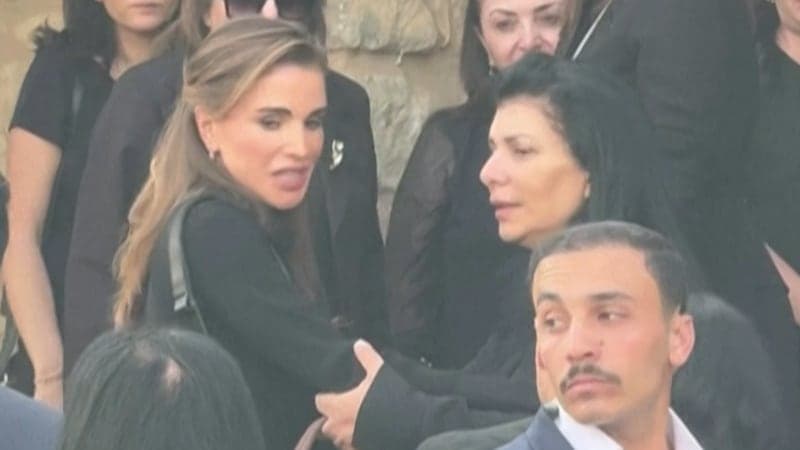
Queen Rania of Jordan on Sunday offered condolences to the families of nine people killed in the attack on a Greek Orthodox church in Karak province, The National reports. Members of the royal family that day visited the village of Hamoud, where the victims were buried. The funeral service was held in the same church where the attack took place on Friday.
The royal family at the funeral
Queen Rania was accompanied by Crown Prince Hussein bin Abdullah, Princess Rajwa and Princess Salma, the state news agency Petra reported. During the visit to the church, Crown Prince Hussein conveyed King Abdullah II's condolences to the families of the victims. The Queen prayed for the dead and, according to the publication, comforted members of their families. Earlier on Friday, the king visited the wounded in hospital and spoke with them about their condition — footage of this was shown by the state broadcaster.
The authorities' response and details of the attack
King Abdullah II called the attack 'terrorism', and Jordan's Interior Ministry announced the detention of three suspects on Monday morning. The attack took place in Karak, about 100 km south of Amman, during a funeral. According to The National, this is the largest attack on Jordan's Christian minority since the 1950s.
Who died
All the victims were men; one was a doctor and another a dentist. Most belonged to the Halasa clan, one of the most influential Christian families in Jordan. The reason why only eight of the nine victims were buried in Hamoudremained unknown at the time of publication.
Significance of the event
The attack affects Jordan's Christian community, which is a minority of the country's population: the publication compares the scale of what happened with events not seen since the 1950s. The practical consequences are already visible in the authorities' actions — the Interior Ministry's detention of three suspects and the participation of the country's top leadership in the mourning ceremonies. However, the motives for the attack and the circumstances of the detentions are not disclosed in the published materials, and it remains unclear why one of the victims was not buried in Hamoud.