The key facts
- GPHG 2026 abolishes gender categories, introducing Essential Watch and Complication Watch
- 84 models compete for 19 awards in 14 categories; the ceremony takes place on 7 November in Geneva
- Among the nominees is Moscow watchmaker Konstantin Chaykin; a number of former laureates are not taking part in the competition
Category reform ahead of the 26th ceremony
The Grand Prix d'Horlogerie de Genève (GPHG), often called the 'Oscars' of watchmaking, is changing its nomination structure in 2026. Ahead of the 26th ceremony, the organisers have scrapped the traditional gender-based categories for 'men's' and 'women's' watches, replacing them with the technical categories Essential Watch and Complication Watch. According to the organisers, the reform is intended to 'increase representativeness and bring the categories into line with new market realities', reflecting changing consumer behaviour and the 'blurring of traditional boundaries' in favour of a more universal approach. Euronews reports this.
What else has changed besides the gender categories
The changes are not limited to abolishing the gender division. In 2026 a new Gemset category has appeared — for watches set with precious stones weighing up to six carats in total — while the Jewellery category remains reserved for the most outstanding jewellery pieces. The Iconic Watch prize is open this year to the entire watch market: any model released during the year that offers a contemporary reinterpretation of an iconic watch that has influenced the industry for more than 20 years is eligible, regardless of an official entry. The Special Jury Prize has also been expanded: it can now honour not only individuals and institutions but also brands — including those not taking part in the competition — for a significant contribution to watchmaking or an exemplary approach to ethics and sustainability.
The ceremony, the favourites and the absentees
The winners will be announced at the ceremony in Geneva on Saturday, 7 November. This year, 84 watches and mechanical timepieces are competing for 19 awards in 14 categories — from sport and astronomy to jewellery watches and 'mechanical exception'. The winners are chosen by a jury of collectors, watchmakers, journalists and auctioneers. The top award, the 'Aiguille d'Or' Grand Prix, is open to any model; last year it went to Breguet for the Classique Souscription 2025 — a watch with a single hand.
Independent makers and the absence of legends
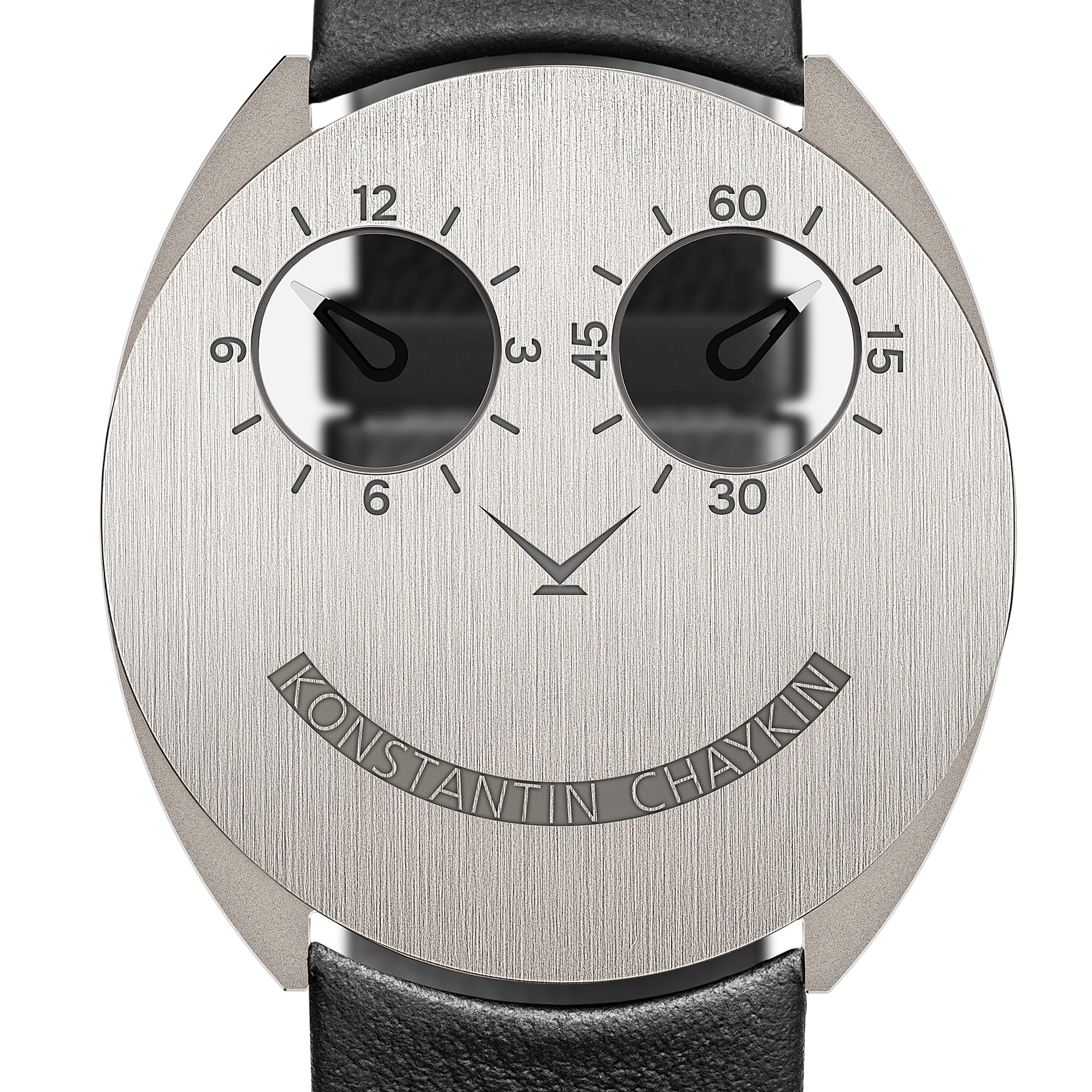
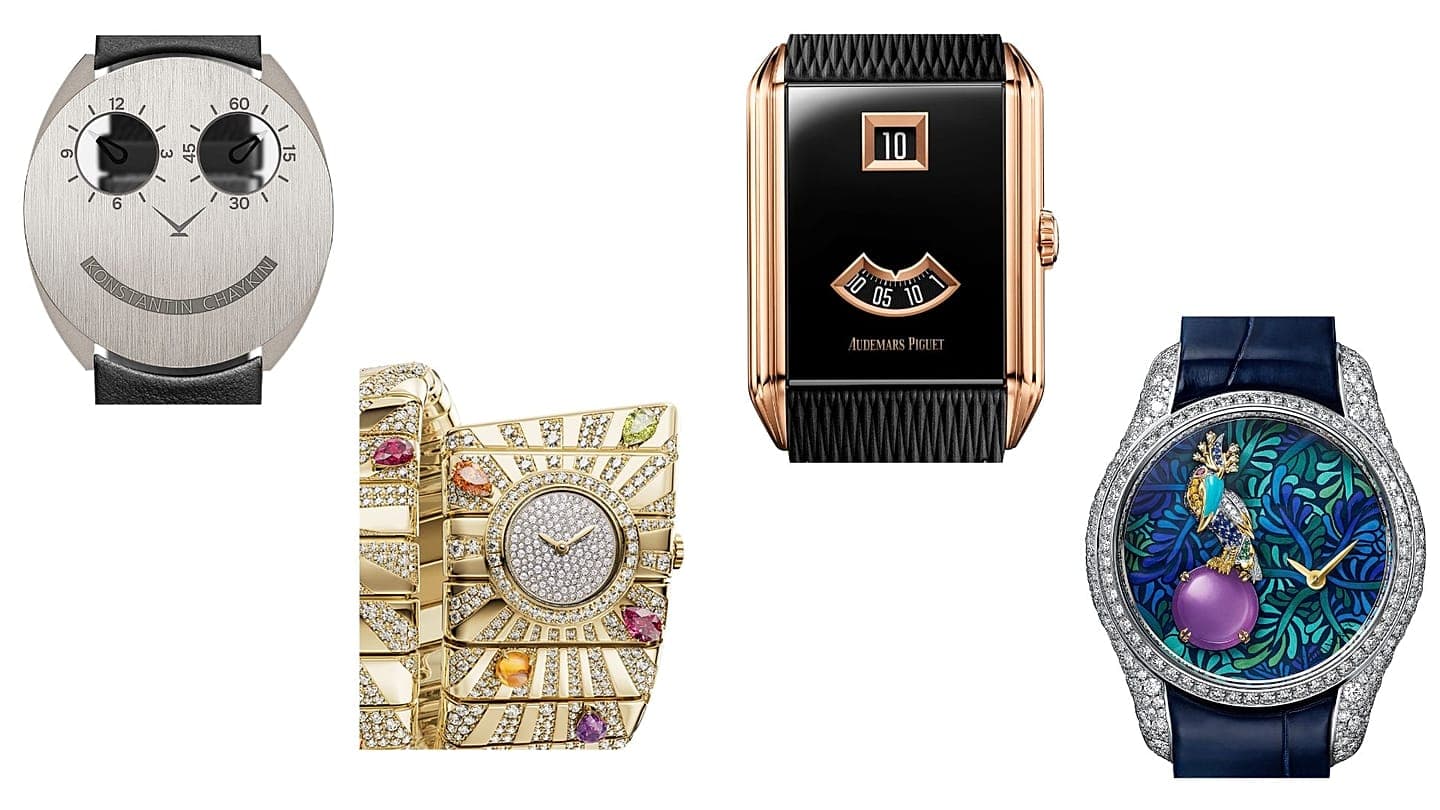
The organisers aim to broaden the competition's geographic reach and the share of independent makers. Among the nominees is the Moscow workshop of Konstantin Chaykin: his ThinKing Mystery model is entered as the thinnest series-produced mechanical watch in the world. At the same time, a number of legendary names are missing from this year's entry list. Rolex traditionally does not take part in the GPHG, but former winners are also absent: Patek Philippe, Cartier, Vacheron Constantin, F.P. Journe, Richard Mille, A. Lange & Söhne, Greubel Forsey, as well as Breguet, which under the prize's rules cannot compete in the year following a win. As Euronews notes, the 'Oscars' of the watch world are taking place without several record-holders, so the results may turn out to be unexpected.