The key facts
- Italy and the École du Patrimoine Africain (Benin) signed a three-year agreement on specialist training under the Piano Mattei
- Italy and the École du Patrimoine Africain (Benin) signed a three-year agreement to train specialists under the Piano Mattei
- The first course brought together professionals from nine French-speaking African countries
- The training involves the Italian Carabinieri TPC unit, established in 1969
A new training programme under the Mattei Plan
Italy and African countries are expanding cooperation in the fight against the illicit trafficking of cultural property. As Euronews reports, the initiative is based on a three-year agreement between Italy's National School of Cultural Heritage and Cultural Activities and the École du Patrimoine Africain (EPA) — an institution in Porto-Novo (Benin) specialising in the preservation of African cultural heritage. The programme is part of Italy's Piano Mattei, a plan for cooperation with Africa supported by the Directorate General for European and International Affairs of the Ministry of Culture.
What participants are taught
The first course began in early October 2026 and brought together specialists from nine French-speaking countries: Algeria, Côte d'Ivoire, Gabon, Morocco, the Republic of the Congo, the Democratic Republic of the Congo, Rwanda, Senegal and Tunisia. The emphasis is on practical skills for museum and cultural institution staff: documenting collections, digitising inventories and provenance research. The Carabinieri Command for the Protection of Cultural Heritage (TPC) is involved in the training, sharing investigative experience and the results of international cooperation.
Why provenance is a key tool
Establishing provenance means determining where an object was located, who owned it and through which transactions it reached the market. Incomplete documents, unclear changes of ownership or export without the necessary permits help identify stolen or illicitly excavated items, while up-to-date inventories and shared digital archives make it easier to identify sought-after objects and give authorities grounds for investigations. This is precisely why documentation and digitisation form the core of the new programme: they work to prevent trafficking, not merely to return what has already been stolen.
Context: returns and precedents
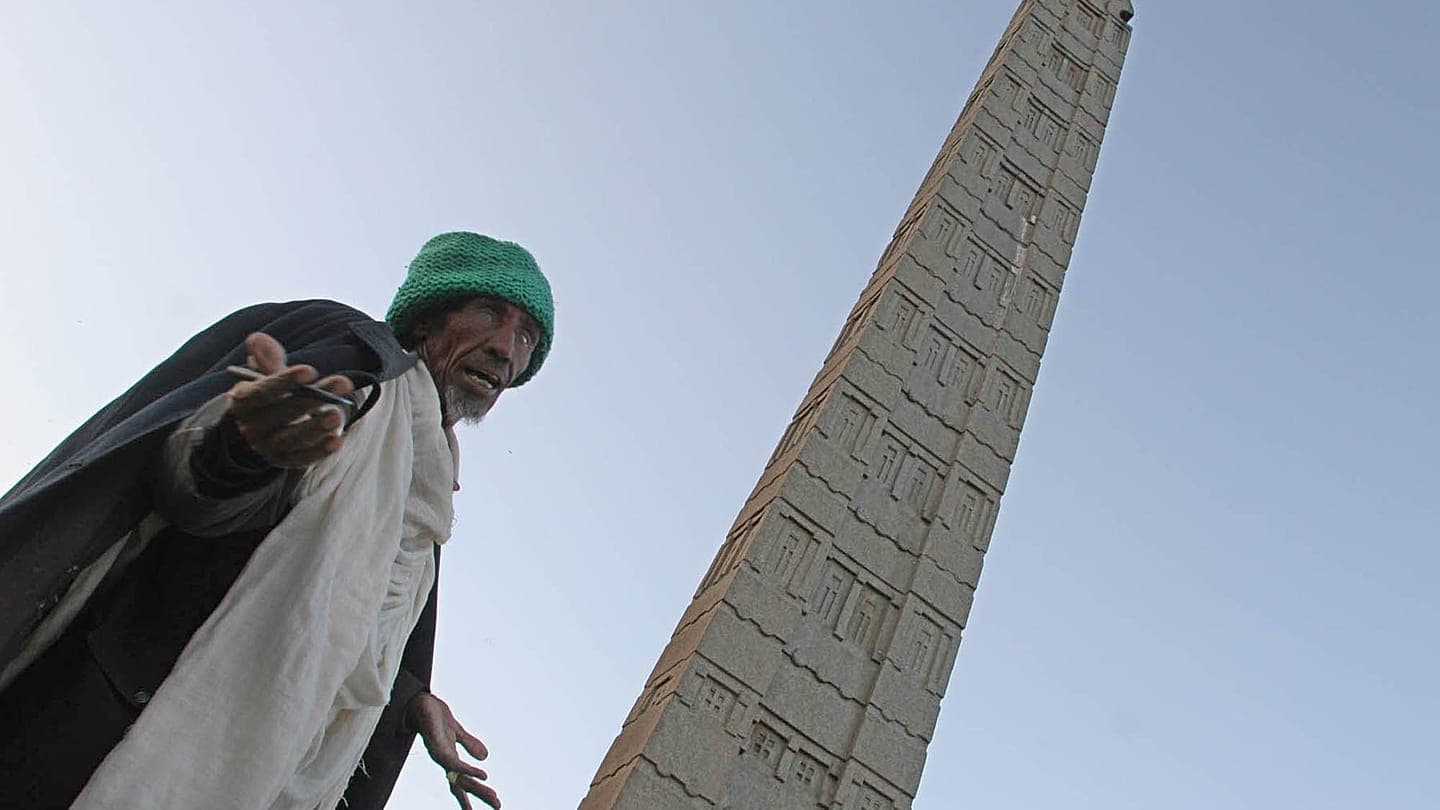
The programme unfolds against the backdrop of debates about the restitution of removed works. Euronews cites two telling examples. The Axum obelisk — a stele about 1,700 years old, taken by Italian troops in 1937 during the fascist occupation of Ethiopia — was returned by Italy in 2005 and re-erected at its historic site in 2008 with UNESCO's involvement and Italian funding. And in 2022, Germany transferred ownership of 512 objects from the collection of Berlin's Ethnological Museum to Nigeria — part of the Benin Bronzes looted by a British expedition in 1897; some works remained in Berlin on temporary display, now as loans.
The experience of the Italian Carabinieri
The TPC unit, established in 1969, investigates thefts, illegal excavations, illicit export and the sale of works of dubious provenance. International cooperation has already produced results: in 2022, the TPC, together with the Manhattan District Attorney's Office and the US Homeland Security Investigations returned 58 Italian archaeological objects from the Etruscan, Roman and Magna Graecia periods that had reached the United States through international smuggling networks. According to the outlet, the same principle — the exchange of information, documents and expertise — underlies the cooperation with African countries; at the international level, the benchmark is the 1970 UNESCO convention, which obliges states to combat the illicit import, export and transfer of cultural property.
What is important to understand
Italy's Minister of Culture, Alessandro Giuli, described the fight against illicit trafficking as a shared responsibility requiring high qualifications and inter-agency cooperation, stressing that the agreement is built on reciprocity, the exchange of knowledge and respect for cultural identities. The stated goal is not a one-way transfer of European experience, but continuous interaction between specialists from the two continents. At the same time, as Euronews notes, episodes of colonial looting do not automatically coincide with contemporary offences: each case requires a separate documentary and legal reconstruction, while restitution and prevention remain complementary but distinct instruments.