The key facts
- Almaty is described as a city where the mountains set the rhythm of life and even the way directions are given — 'up' toward the mountains and 'down' away from them
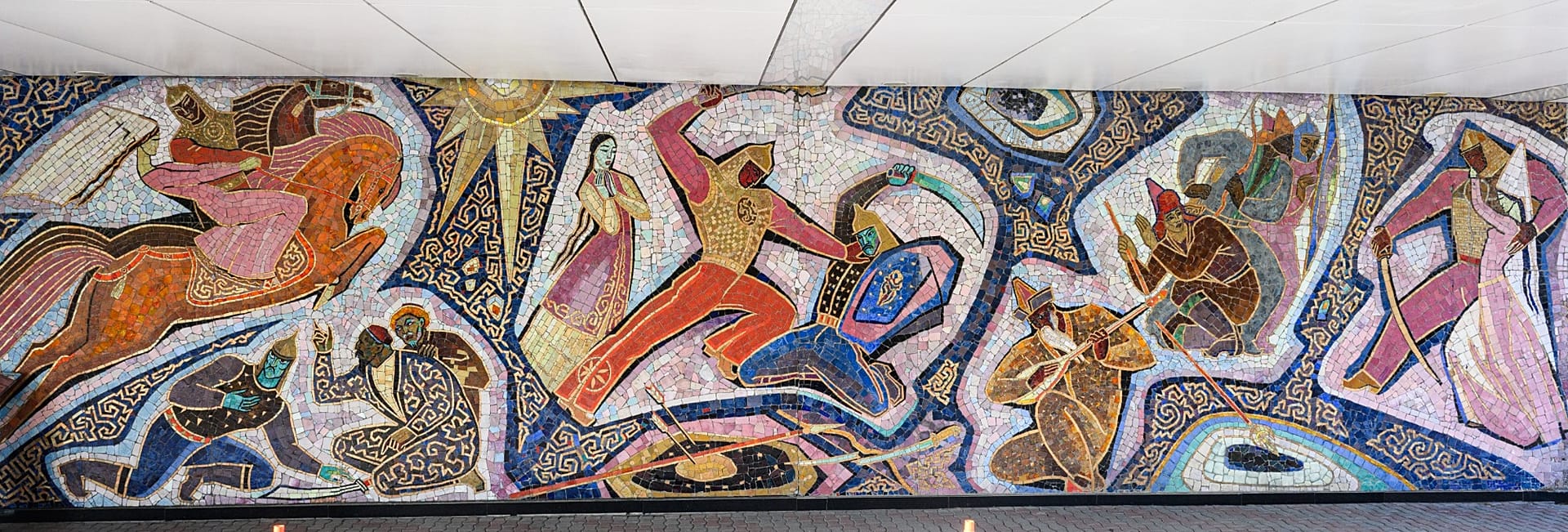
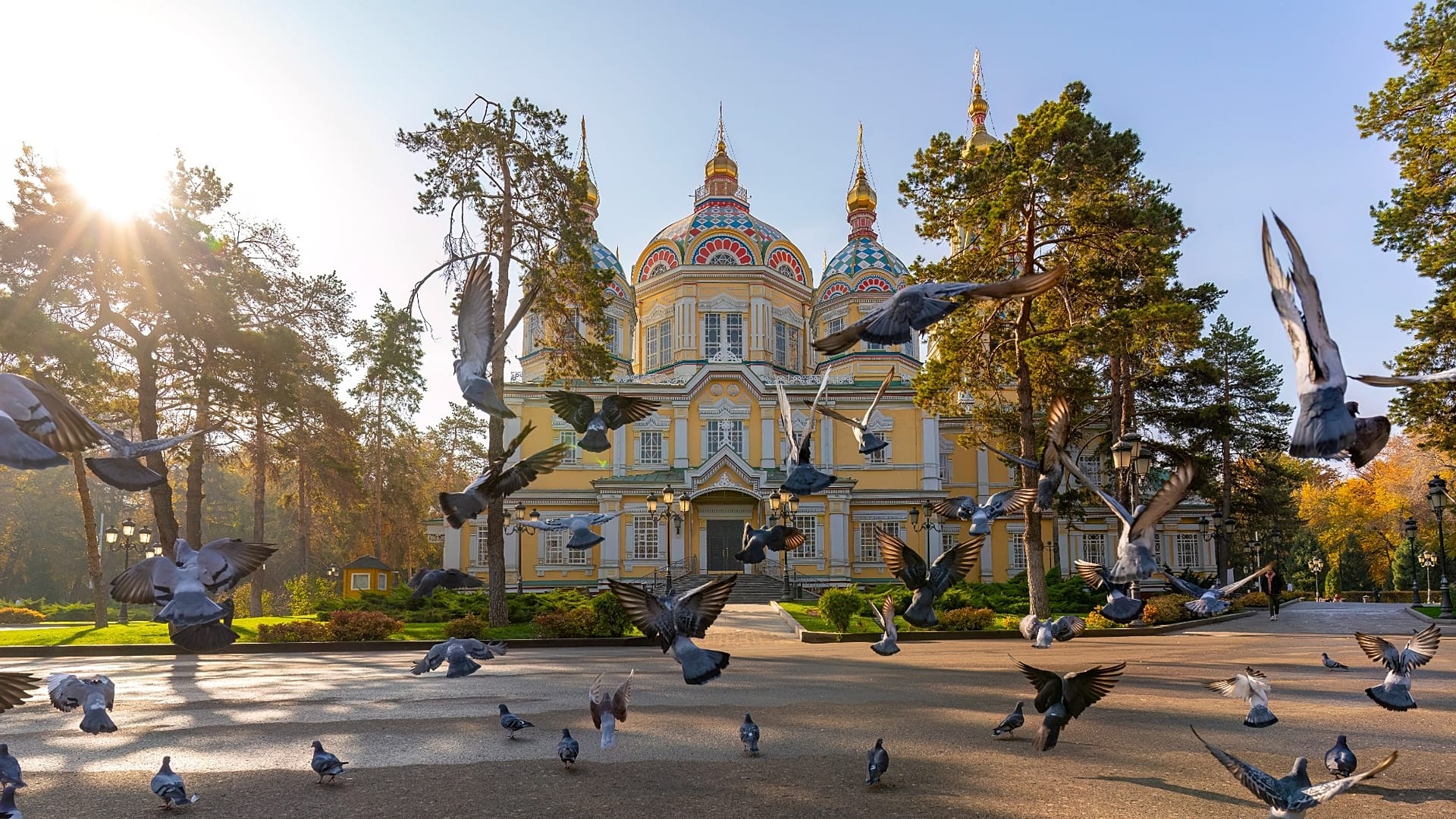
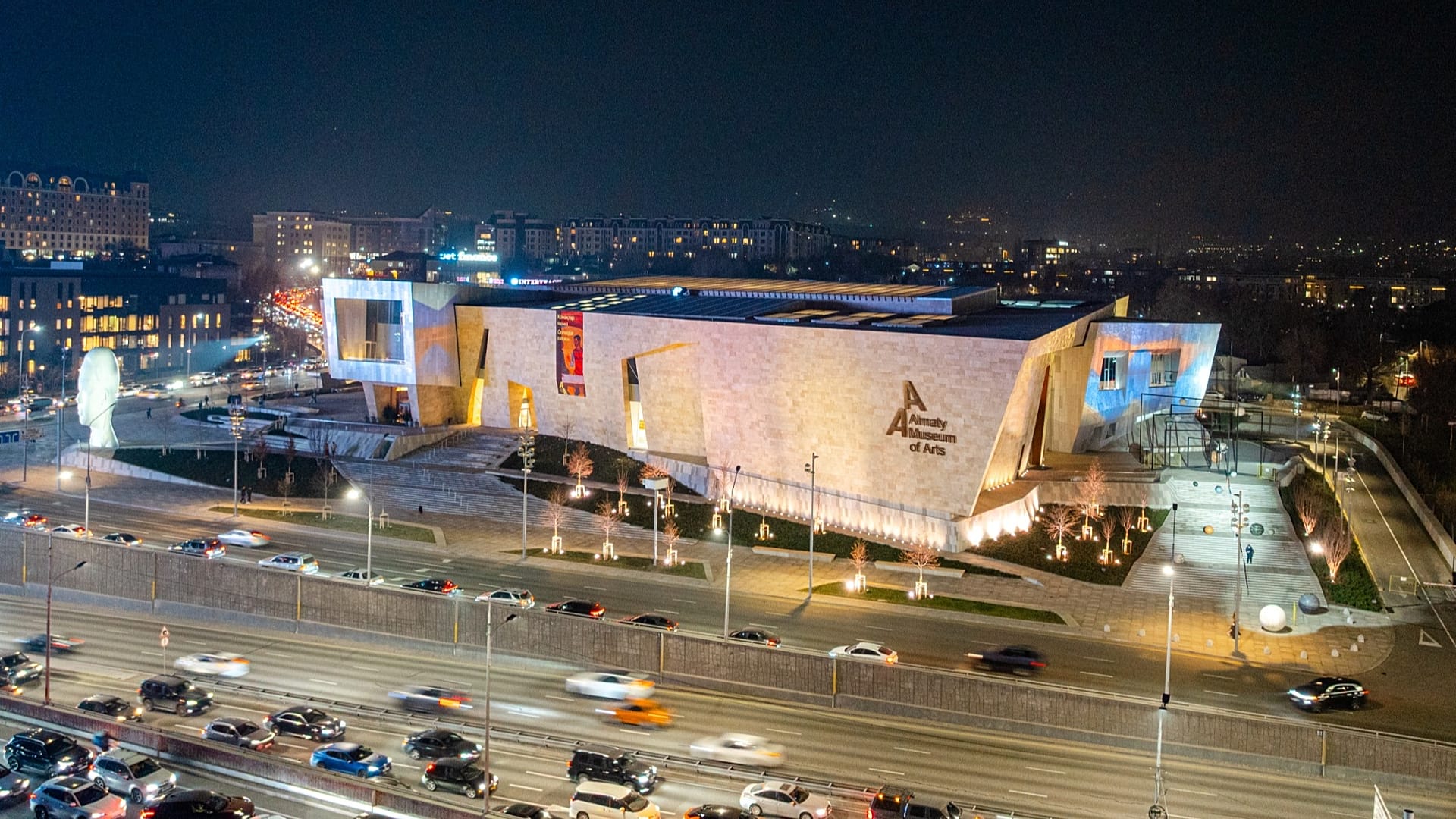
- Among the highlights are the cable car to Shymbulak, Soviet mosaics of the 1960s–1980s, the Ascension Cathedral of 1907 and the Almaty Museum of Arts, opened last year
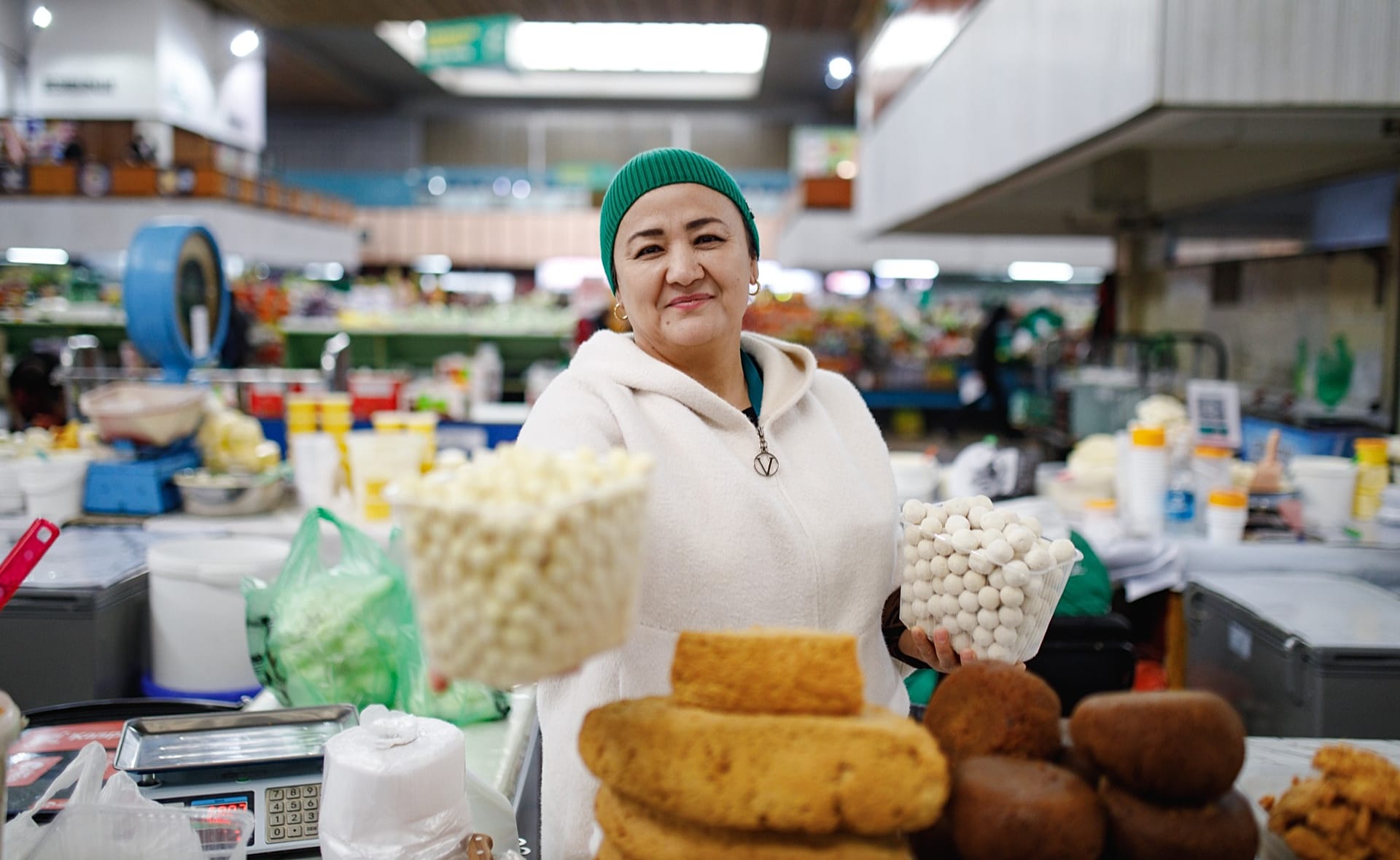
- The Green Bazaar is presented as a place to discover the local cuisine: beshbarmak, kazy, kurt, kumys, plov, laghman and manti
Mountains as part of everyday life
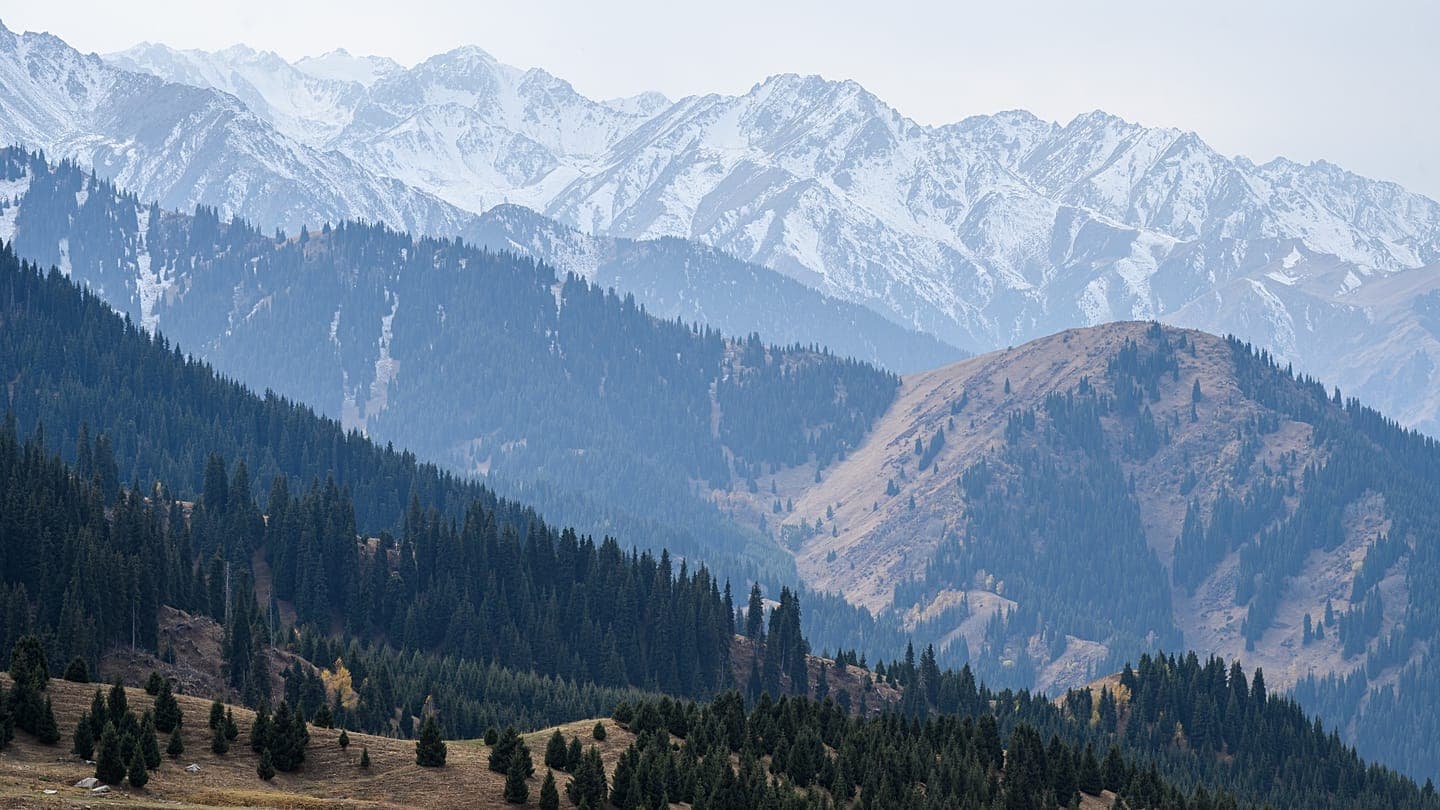
The outlet Euronews has published a travel guide to Almaty, presenting the city as a destination where the natural and urban environments are closely intertwined. According to the authors' description, the first thing many visitors notice is the horizon line: the snow-capped peaks of the Trans-Ili Alatau rise right behind the rooftops. The proximity of the mountains influences daily life so much that locals give directions by saying 'up' — toward the mountains — or 'down' — away from them, despite the city's mostly rectangular layout.
Routes and architecture
For a trip to the mountains, Euronews suggests heading to the lower station of the Medeu complex and taking the cable car up to the Shymbulak resort: in winter people ski and snowboard there, while walks and hiking are available all year round. In the urban part of the city, the outlet highlights several landmarks. Almaty was the capital of Kazakhstan until 1997, and the facades of old buildings still feature vivid mosaics from the 1960s–1980s created by monumental artists from across the Soviet Union; according to the publication, some of them have been damaged or have disappeared. Among other sites are the wooden Ascension Cathedral of 1907, which survived a powerful earthquake four years later, and the Almaty Museum of Arts, opened last year and designed by the British firm Chapman Taylor: two intersecting building volumes clad in limestone and aluminum symbolize the mountains and the city, while inside there is a collection of modernist and contemporary art from Kazakhstan, Central Asia and other regions.
Gastronomy and the city's role in the region
Special attention is given to the Green Bazaar, where apples sit alongside dried fruits, nuts and local products. The outlet lists dishes of the local cuisine: beshbarmak — meat laid on sheets of dough, kazy — a traditional horse-meat sausage, the dairy delicacies kurt and kumys, as well as plov, laghman and manti. In the authors' view, this variety reflects the different communities and traditions that have shaped the city. In conclusion, Euronews calls Almaty a convenient starting point for a broader journey: thanks to direct flights to Europe and East Asia and its proximity to Bishkek and Tashkent the city works well as a stop on a Central Asian itinerary, although, as the outlet recommends, it is worth setting aside a few days for Almaty itself.
Why it matters
The Euronews piece functions as an international media showcase for Almaty and for Kazakhstan as a whole: publication in a European outlet with an emphasis on the city's accessibility from Europe and East Asia is aimed at potential tourists and may support interest in the destination. In practical terms, the guide offers a concrete set of sites — Medeu, Shymbulak, the mosaics, the Ascension Cathedral, the Almaty Museum of Arts and the Green Bazaar — that a reader can use as a ready-made itinerary. At the same time, the text is a travelogue from a single outlet and contains no data on tourist flows or infrastructure, so its actual effect on tourism cannot be judged from it.