The key facts
- Compensation in the Dok-1 Max case was fully paid on October 20–24, 2026, mostly at the state's expense
- Over three years, only 20% of the awarded amount was recovered from the convicted individuals, with the last recovery in August 2026
- After the payments, government and medical representatives began visiting the families of affected children in the regions
Full payments covered by the state
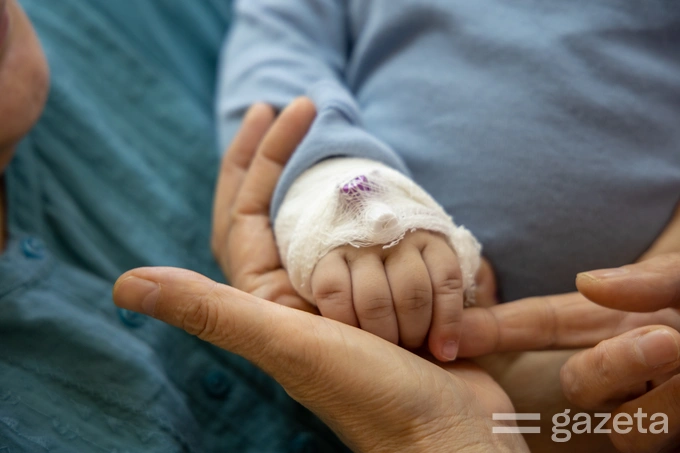
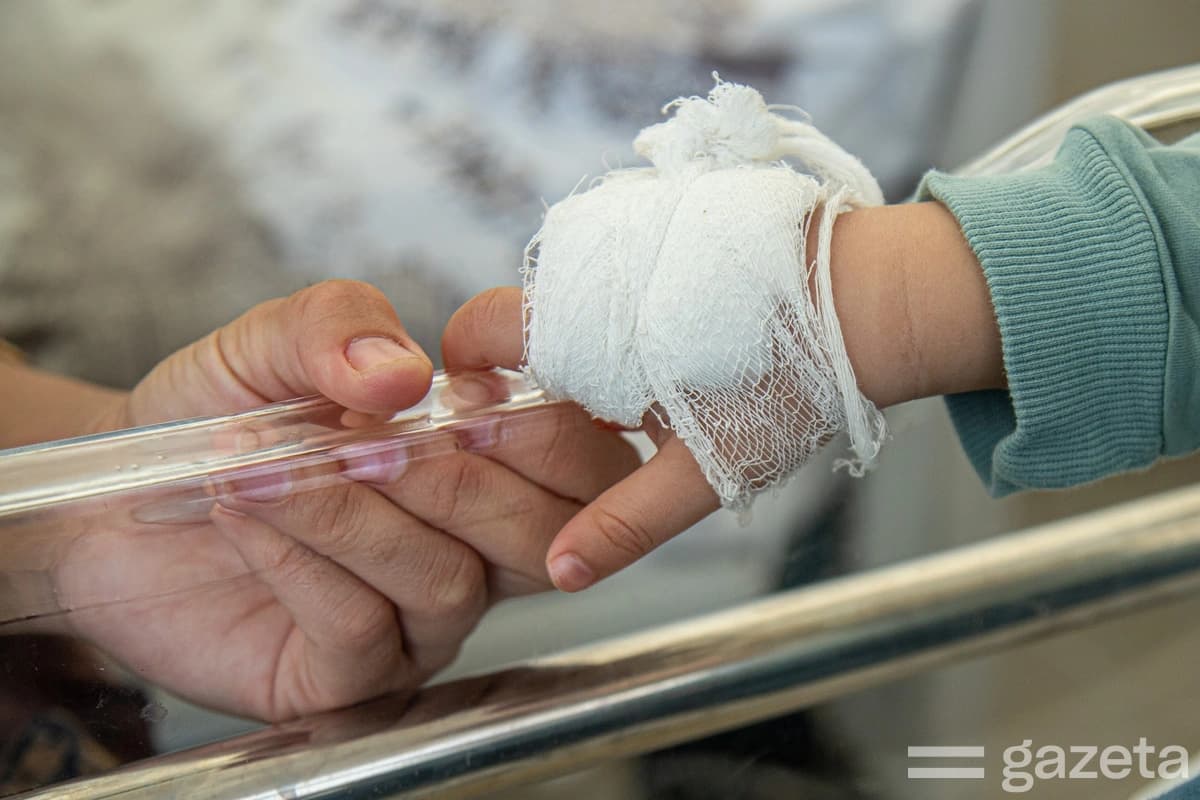
From October 20 to 24, 2026, the families of children who died or became disabled due to the Dok-1 Max and Ambronol medicines fully received their compensation. Parents had been informed of this earlier, and the information was confirmed by Farrukh Toshpulatov, press secretary of the Enforcement Bureau under the Prosecutor General's Office — the agency is responsible for enforcing court rulings on the payments. According to Gazeta.uz, citing parents' bank documents, over three years only 20% of the awarded amount was recovered from the convicted individuals; the last recovery took place in August 2026. The remaining 80% of the compensation was paid by the state in October. Under the court verdicts, the funds were to be recovered from those found guilty in the case — the former leadership of the Agency for the Development of the Pharmaceutical Industry and representatives of Quramax, the official distributor of the medicines' manufacturer in Uzbekistan.
What remains unknown
It has not yet been disclosed how many families received the money or the total amount paid from the budget; it is also unclear whether the state funds will later be recovered from the convicted individuals. Farrukh Toshpulatov said that the agency will 'in the near future, together with the Ministry of Health, provide information to the public' and may hold a press conference. For scale: the Enforcement Bureau previously reported that enforcement proceedings were being conducted in favor of 85 citizens for a total of 78 billion soums, and as of October 7, 16.7 billion soums had been paid. Under the verdict, legal representatives of the deceased children are entitled to 1 billion soums each, those who suffered severe bodily injuries and disability — 500 million each, and those with minor injuries — 200 million soums each.
Visits to families after the payments
After the payments were completed, on October 25, a group of officials from Tashkent traveled to Karakalpakstan to visit the families of children who became disabled. The father of Shahram Abatbayev said that one of the visitors told him: 'the president sent us to monitor the payment of the money,' while a man who introduced himself as a doctor from the Tashkent Pediatric Medical Center offered help with treatment in the capital. The mother of Umida Tazhimuratova said that an ENT doctor who arrived with the delegation examined her daughter and promised to take her to Tashkent on November 4; according to her, no one had previously shown any interest in the child's health. The family of Mukhtorjon Rakhmonov in Bukhara was visited on October 26 by State Security Service officers — the father said he plans to install a hearing implant for his son costing 20 thousand dollars using the compensation he received. The family of Mansurbek Kemamov in Jizzakh, according to the father, was promised a visit from representatives of television, the regional administration, and the Ministry of Health.
A long road to the payments
The payments were the result of years of appeals from the families. According to Gazeta.uz, in October 2024 parents who were waiting for full compensation of treatment expenses asked 'who should we turn to now — the president?', and in October 2025 they sent a video appeal to President Shavkat Mirziyoyev. Under the first-instance court verdict, 68 children died from the medicine, and 18 became disabled; in November 2024 the list of disabled victims was expanded by five more children, including Mansurbek Kemamov, who was initially not included in the list of victims. Judge Muso Yusupov also stated that a separate criminal case had been opened regarding the condition of the affected children.