The key facts
- Gazeta published interviews with three female officers of Uzbekistan's Interior Ministry ahead of their professional holiday on October 25
- Gazeta published interviews with three female officers of Uzbekistan's Ministry of Internal Affairs ahead of their professional holiday on October 25
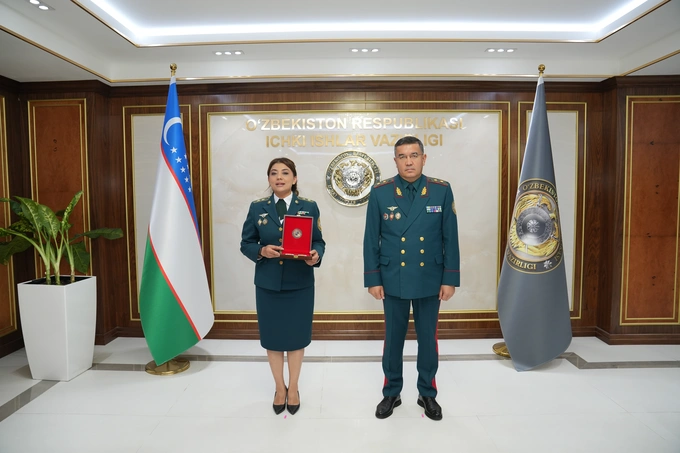
- Colonel Dilnoza Rajabova received her rank after a meeting with President Shavkat Mirziyoyev in September
- The interviewees describe gender stereotypes and the difficulties of balancing service and family life
- The interviewees describe gender stereotypes and the difficulties of balancing service and family
For Internal Affairs Officers' Day — the stories of women in uniform
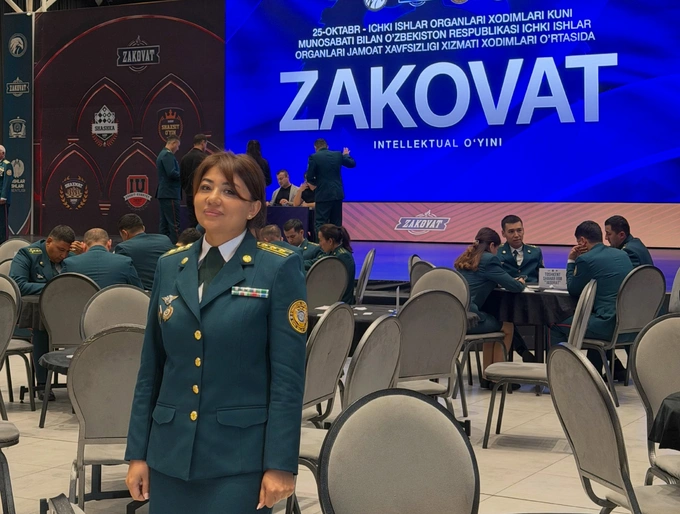
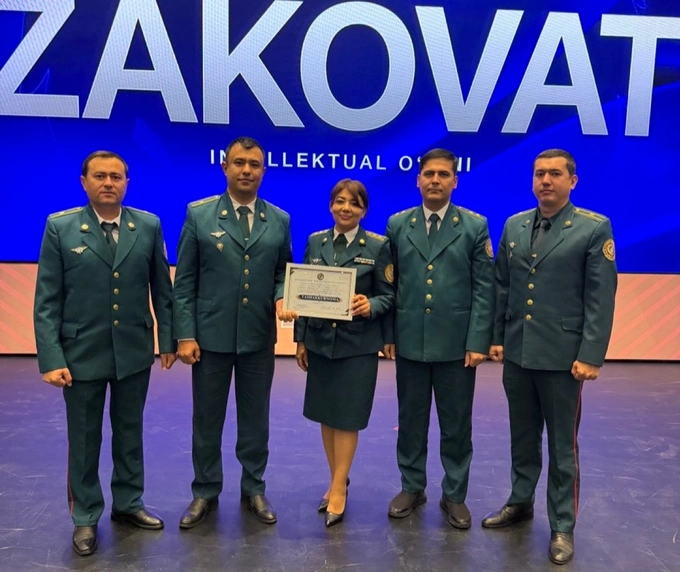
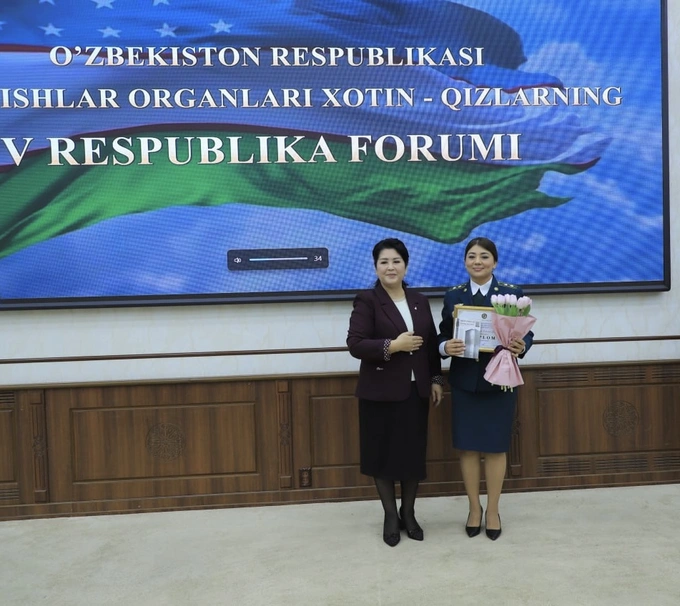
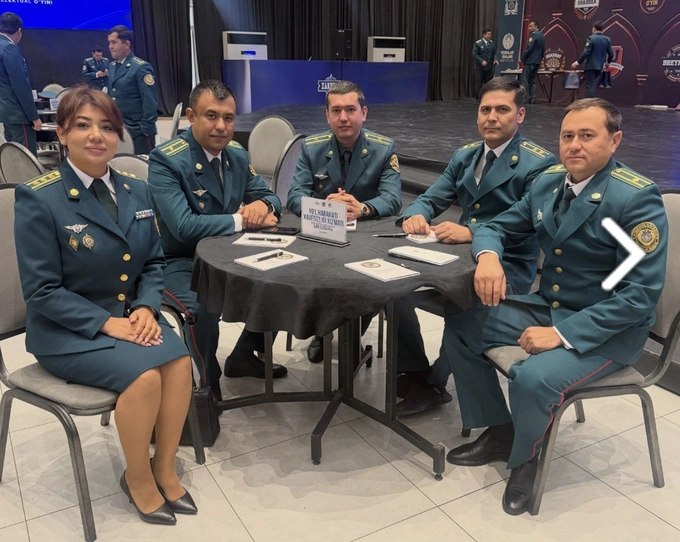
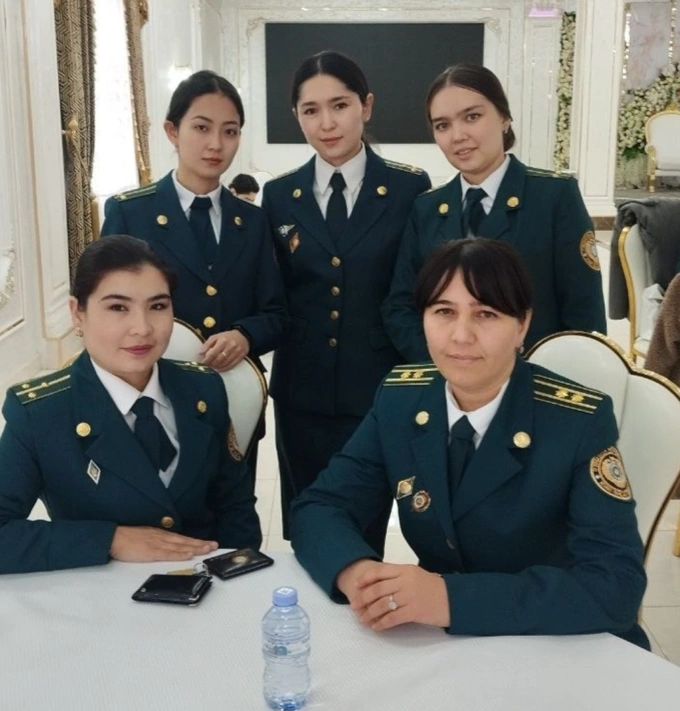
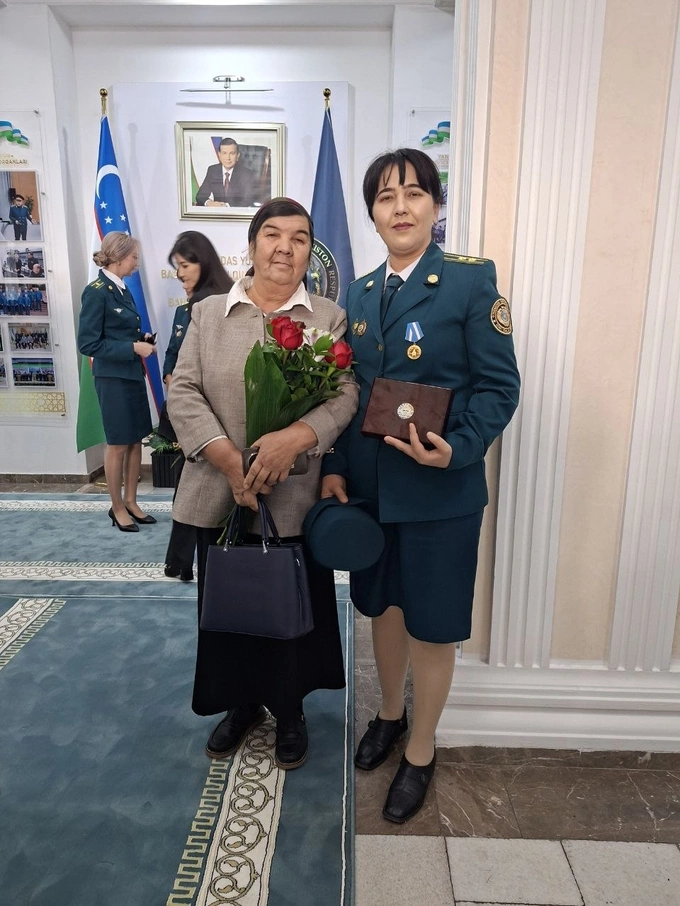
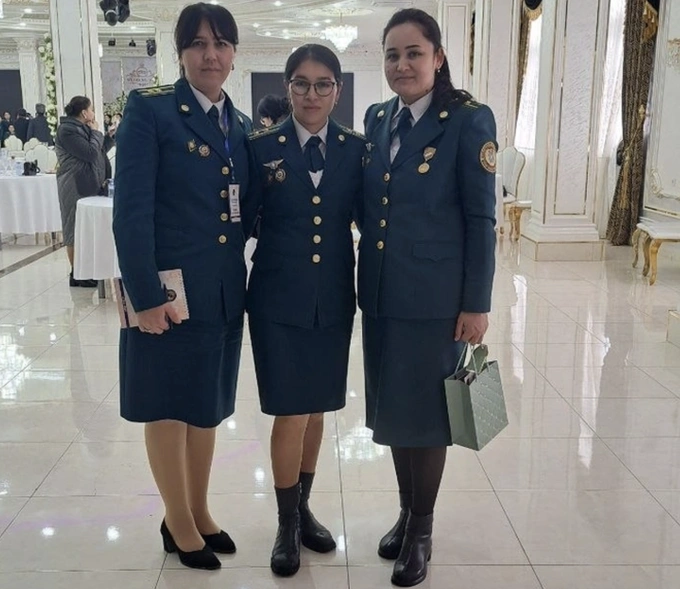
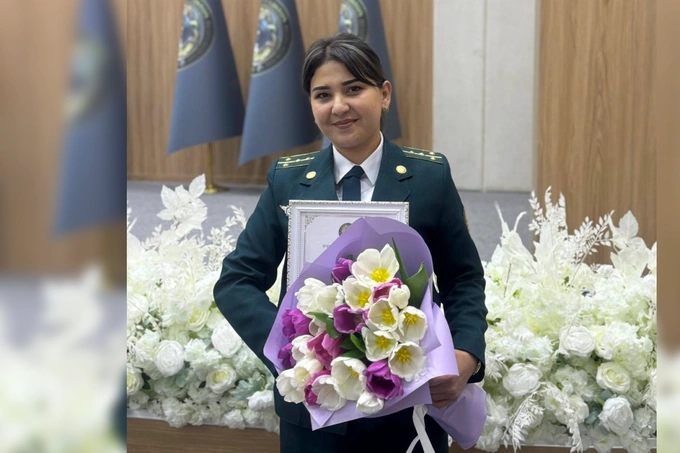
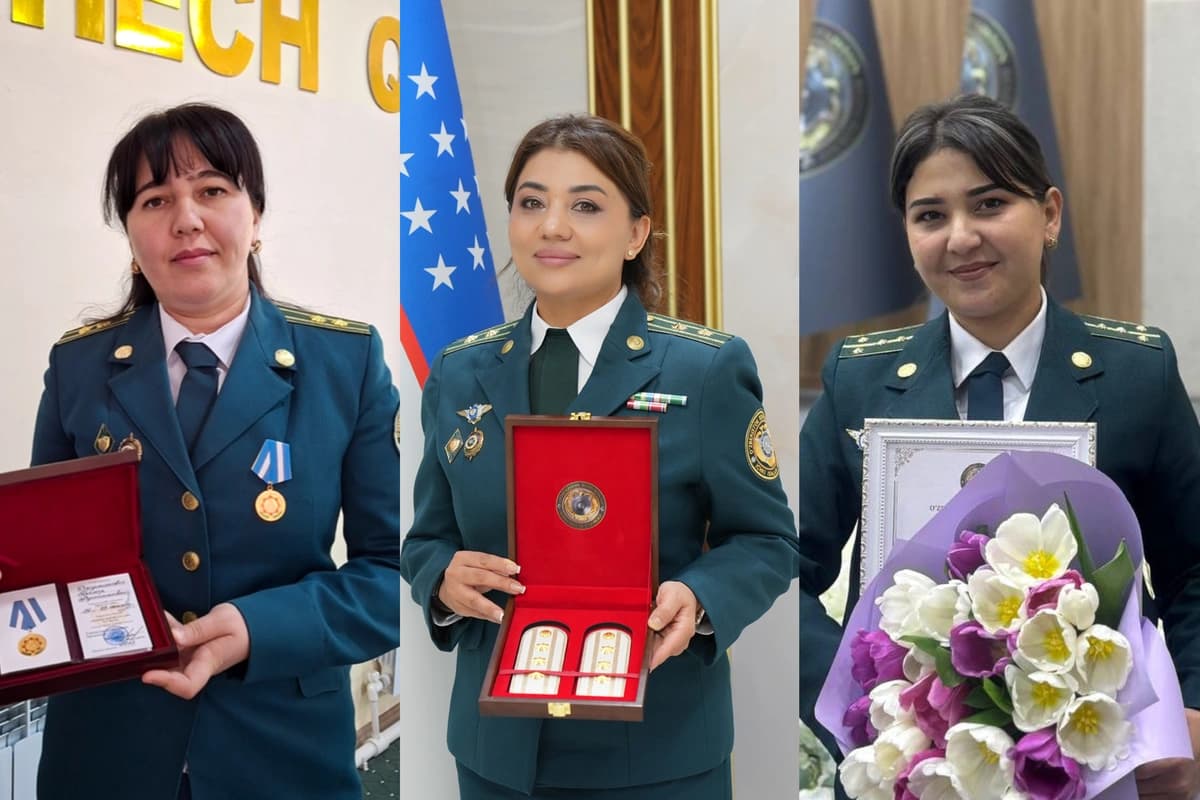
On October 25, Uzbekistan marks Internal Affairs Officers' Day. For this occasion, the outlet Gazeta published interviews with three women serving in the Interior Ministry system: Colonel Dilnoza Rajabova, Lieutenant Colonel Bahor Jumanova and Captain Zilola Abduakhadova. All three, according to them, faced gender stereotypes when choosing their profession, but did not give it up. The interviewees spoke about the reasons for choosing their careers, the difficulties of service, and balancing work with family life.
Dilnoza Rajabova: from being refused a post in investigations to colonel
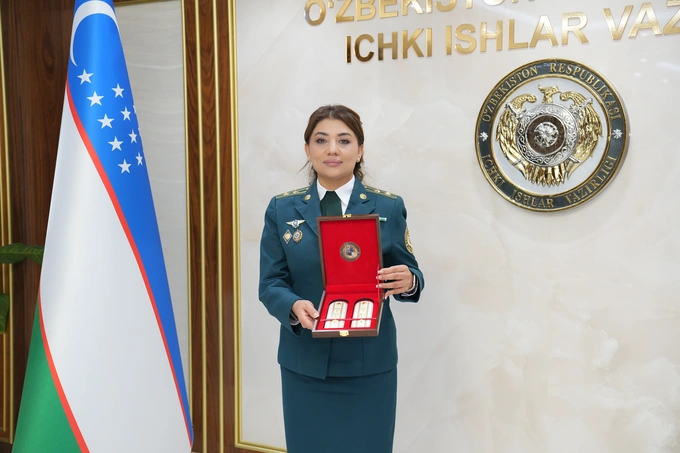
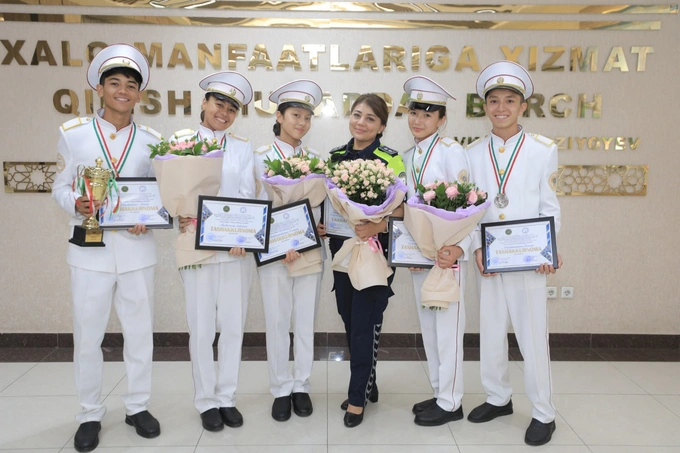
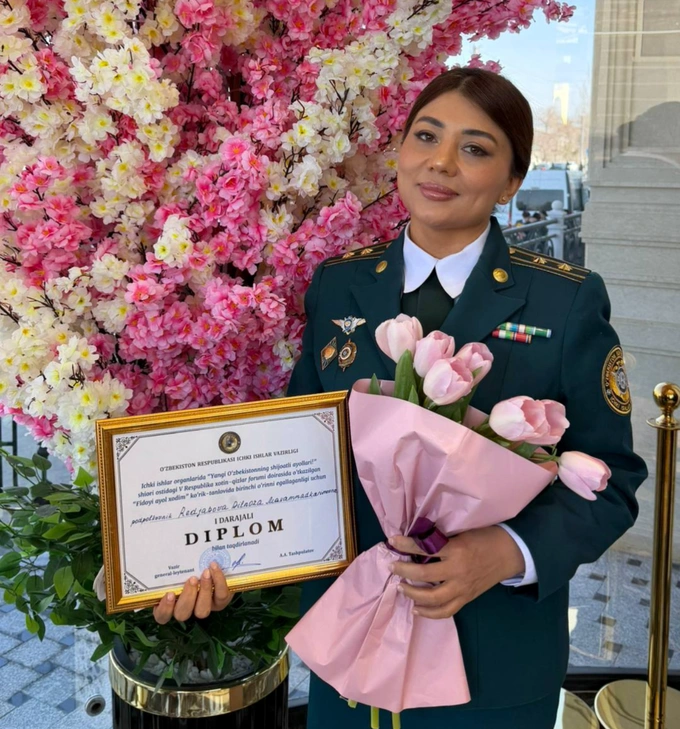
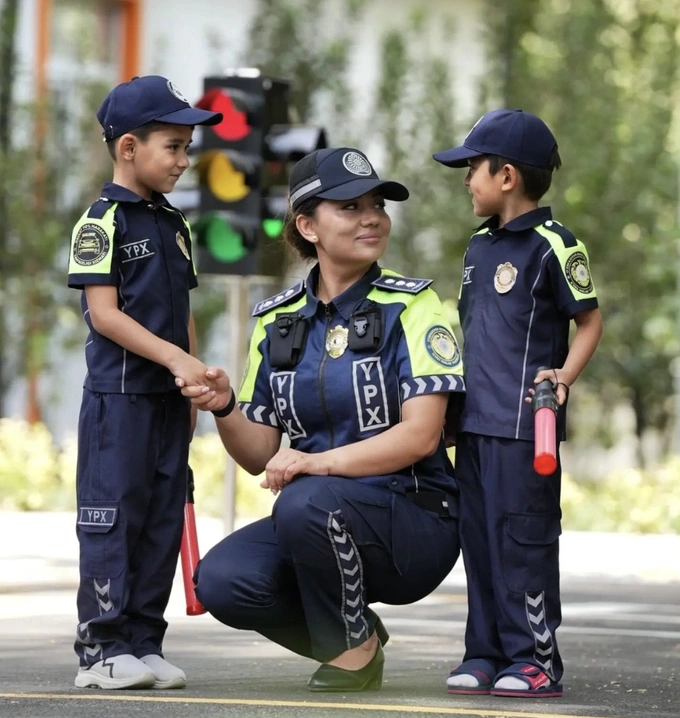
Dilnoza Rajabova, a lead specialist at the press service of the road traffic safety service of the Interior Ministry's Public Security Department, has served for 21 years. According to her account, in 2001 she was admitted to the Interior Ministry Academy on her first attempt, placing seventh — at the time, women made up only 4% of the admission quota. After graduating in 2005, she was not assigned to investigative work: in Namangan region, she says, she was told there were no female investigators and she could not be appointed to that position. She worked in criminal investigation, and in 2008 she did move into investigations, where she worked until 2017; she then headed the citizens' appeals department, and since 2022 has worked in the press service of the road traffic safety service. Rajabova is conducting a research study on the role of female personnel in internal affairs bodies and is preparing a dissertation at the Academy of Public Administration under the President. She is also involved in educating children about road safety: according to her, the team of School No. 110 in Tashkent, with her participation, took first place at the international 'Young Traffic Inspectors' competition in Kazakhstan. On September 11, during President Shavkat Mirziyoyev's visit to kindergarten No. 441 in Tashkent, she told him about her work, and, according to her, after a question about her length of service, the president announced that she had been awarded the rank of colonel — earlier, in 2017, she had received the rank of lieutenant colonel. Her Instagram, according to the outlet, has more than 184 thousand followers, and many girls turn to her for advice on joining the service.
Bahor Jumanova: 15 years in investigations
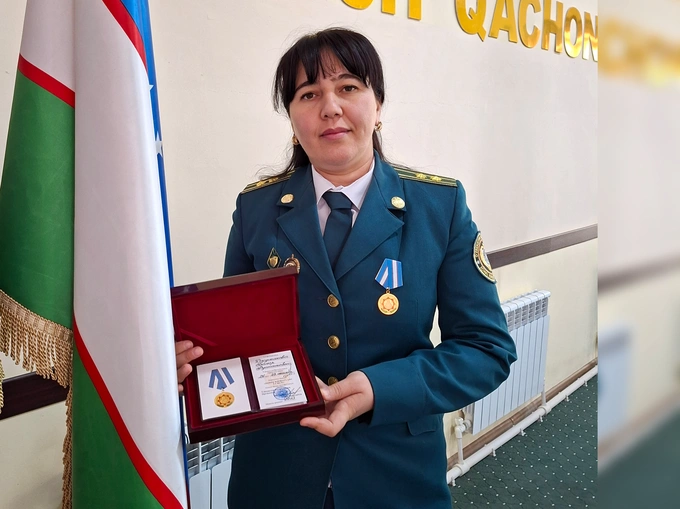
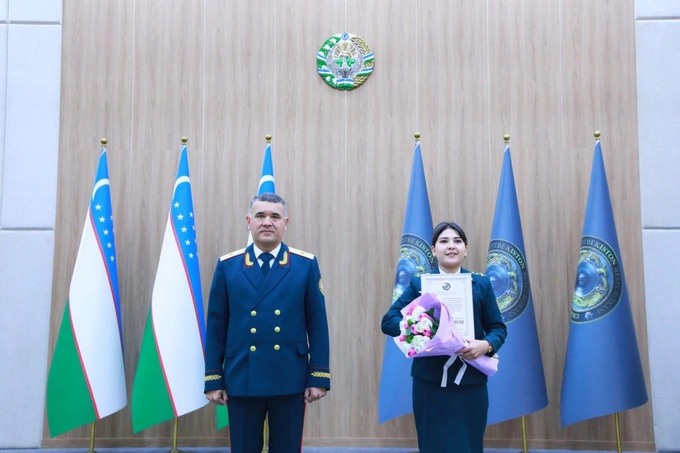
Bahor Jumanova is a senior investigator at the investigative department of the Bekabad city police department, a lieutenant colonel, with 15 years of service. According to her account, her brother and sister also worked as investigators, and her mother had dreamed of becoming an internal affairs officer herself but could not. In 2007, Jumanova entered the Interior Ministry Academy, graduated in 2011 and began work at the police department of Buka district — the first case in her caseload was a criminal case under Article 273 of the Criminal Code (trafficking in narcotic substances). She later moved to Bekabad, where she investigated, among other things, cases of fraud, theft, assault causing bodily harm, and drug-related crimes. Recently, by a presidential decree, she was awarded the 'For Impeccable Service' medal. According to her, the participation of a female officer is mandatory when questioning women and conducting personal searches in accordance with legal requirements, which is why the presence of women in the system is important.
Zilola Abduakhadova: a French teacher in the tourism police
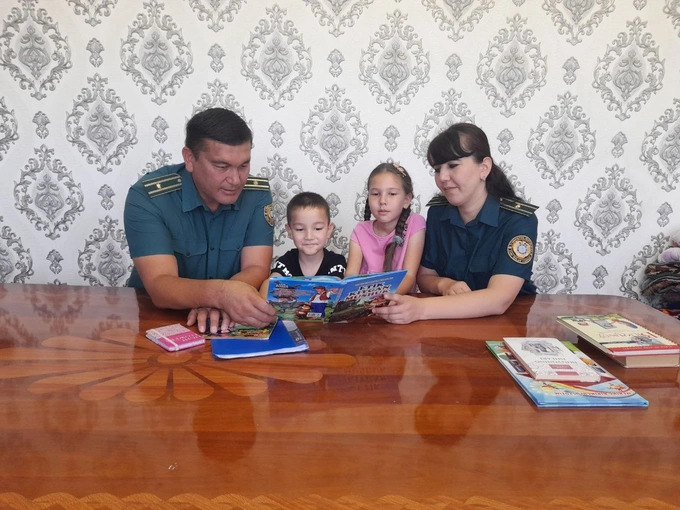
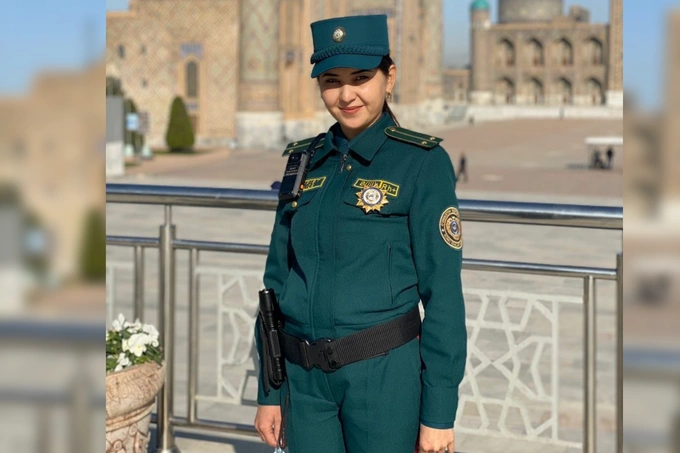
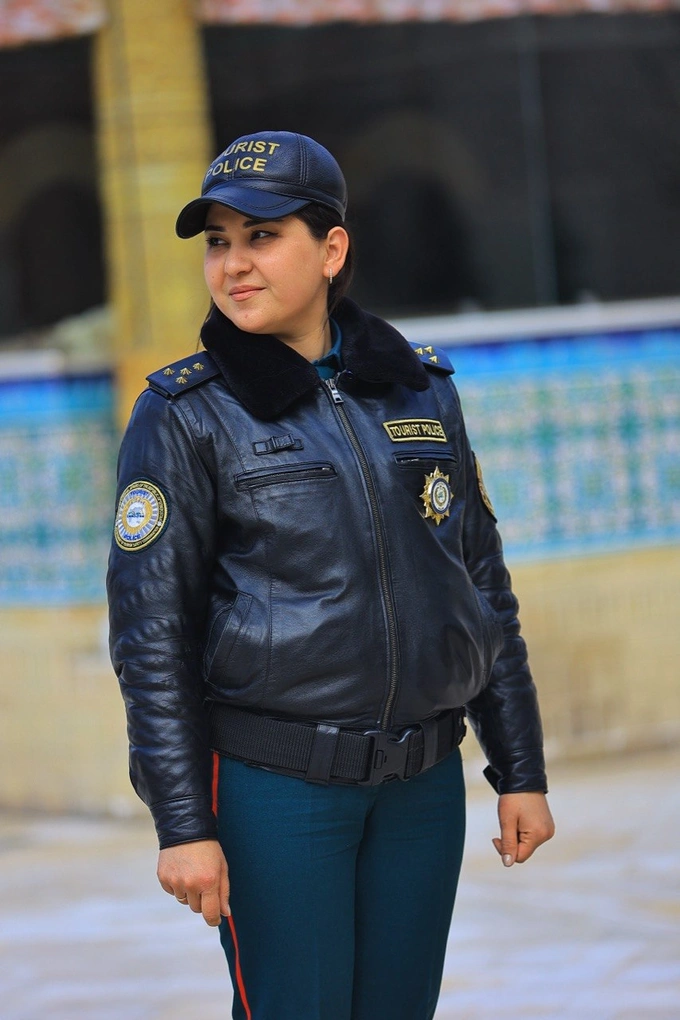
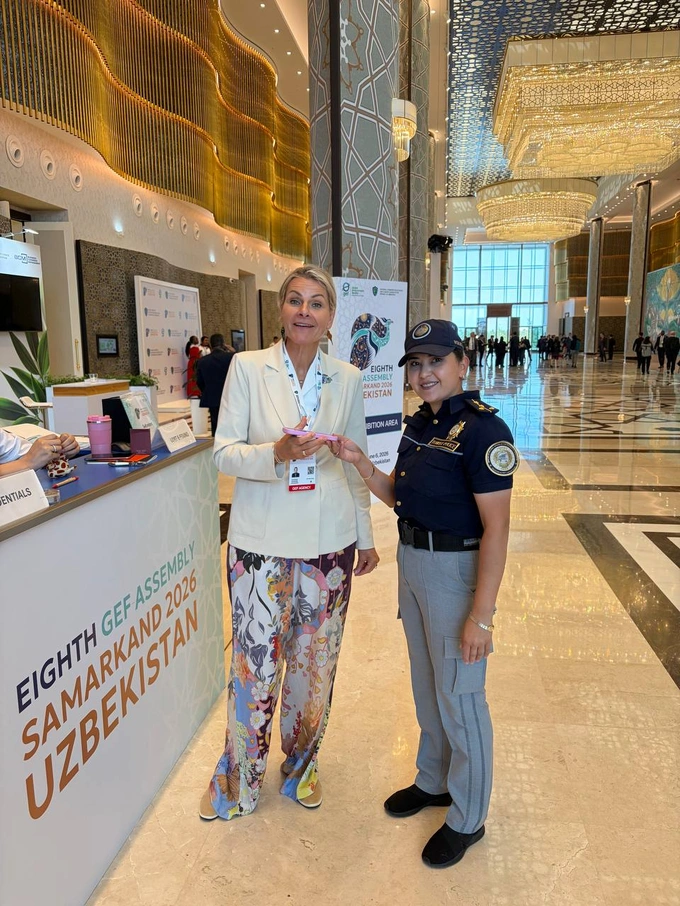
Zilola Abduakhadova, an inspector at the Safe Tourism Department of the Samarkand region police department, a captain, has served for 7 years. Before that, she taught French at a school for seven years. When the Safe Tourism Department was established on the president's initiative, her knowledge of French became the reason for her invitation to a competitive selection: she was discovered during the document review of her sister, who had applied to the Interior Ministry Academy. Of about 15 candidates, two women and two men were selected; Abduakhadova passed the selection in 2019 and started work on January 11, 2020. Soon the pandemic began: movement restrictions were in place in Samarkand, and for about ten days she walked to work on foot — about 10 kilometers each way, without a car or a special pass. Now she serves at the Silk Road Samarkand tourist center in Samarkand, helping tourists with routes, calling taxis and first aid, while undergoing professional development training every six months. She is also an independent doctoral candidate at Bukhara State Technical University, where she researches tourism terminology in French and Uzbek.
Why it matters
These stories show how ideas about women's place in Uzbekistan's law enforcement system are changing: the interviewees describe how, as recently as the 2000s, women were denied positions as investigators, while today they serve with the rank of colonel, are awarded medals by presidential decrees, and work in new structures such as the tourist police. For girls considering a career in the Ministry of Internal Affairs, and for their parents, such examples serve as a practical reference point: Rajabova directly addresses parents with an appeal not to stand in the way of their daughters choosing a profession, while Jumanova notes the legally established requirement for female officers to be present during procedural actions involving women. The limitation of the material is that these are personal accounts of three officers: the publication does not provide systematic statistics on the share of women in internal affairs bodies, so the scale of the problems described cannot be judged from the article.