The key facts
- Portuguese police forcibly dismantled protest tent camps in Lisbon and Porto overnight on 25 October, with 31 arrests reported by authorities
- Camp organizers in Porto reported 37 minor injuries and two arrests, contradicting official police figures
- Protesters demand repeal of the rental law, implementation of rent caps, and restrictions on property purchases by investment funds
Tear-down of tent camps at night
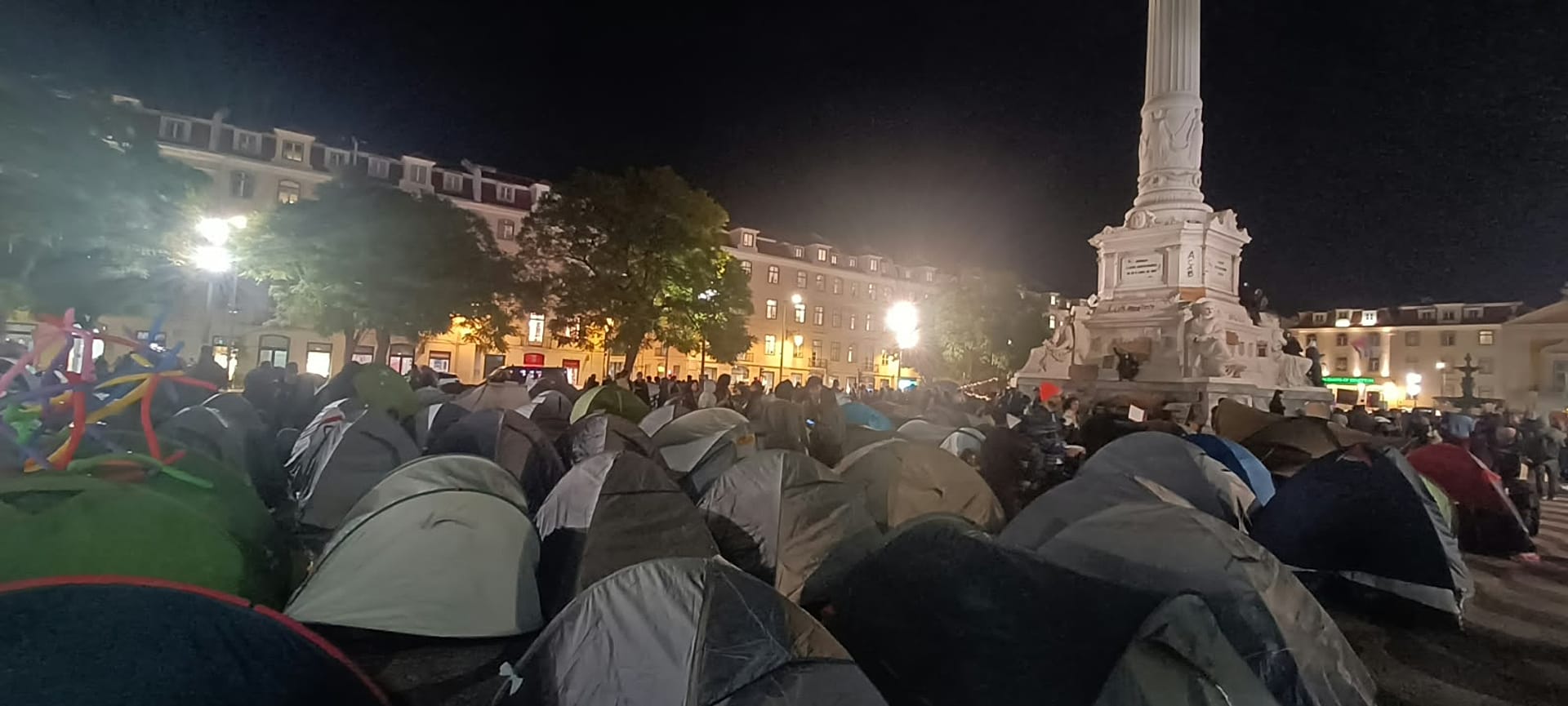
The night of Sunday, 25 October 2026, in Portugal ended with a forceful dismantling of protest tent camps in Lisbon and Porto. The Public Security Police (PSP) stated on X that officers 'intervened early in the morning to put an end to these illegal camps' and that 'after dialogue failed,' the operation resulted in 31 arrests for disobedience'. According to eyewitnesses, protesters shouted 'it smells like dictatorship' as police used batons. Euronews reports this.
Contradictory data on casualties
Data regarding the consequences of the operation differ. A representative of the Porto camp, Catarina dos Santos, told the Portuguese agency Lusa about 37 minor injuries and two arrests — these figures do not match the police report of 31 arrests across both cities. 'This is the third night we are being suppressed through total intimidation, something one would never expect in a democratic rule-of-law state,' she told journalists. According to her, 'at least 20 dogs were deployed for crowd control' and weapons were brought out. Euronews notes that the operation to remove the tents began around 1 a.m. in both cities, after protesters reportedly noticed a 'disproportionate' police reinforcement.
Operation progress and local reactions
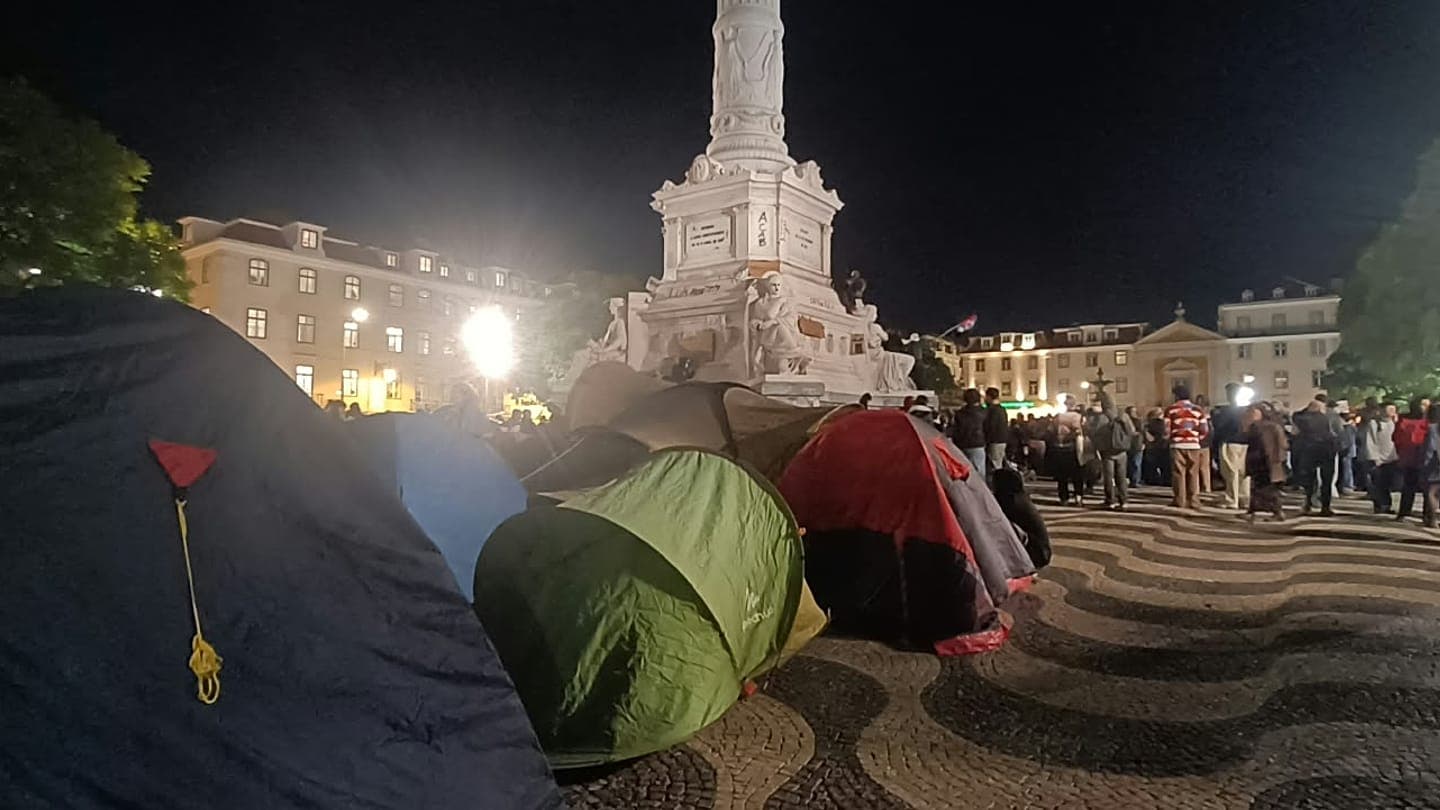
Earlier in the day, the PSP warned that it would not allow tents to remain overnight at Rossio Square in Lisbon. As darkness fell, demonstrators voted by majority to set up camp: approximately 130 tents were erected in Rossio. Shortly before 2 a.m., police cordoned off both squares and began advancing toward protesters who had formed a human chain; batons were used, and firecrackers were set off, causing confusion. At D. João I Square in Porto, passers-by criticized the PSP's actions and began singing 'Grândola, Vila Morena' — a song associated with the 25 April 1974 revolution that ended decades of dictatorship. The operation was swift: tents were removed, protesters dispersed to nearby squares, stating they would return.
Protesters' demands
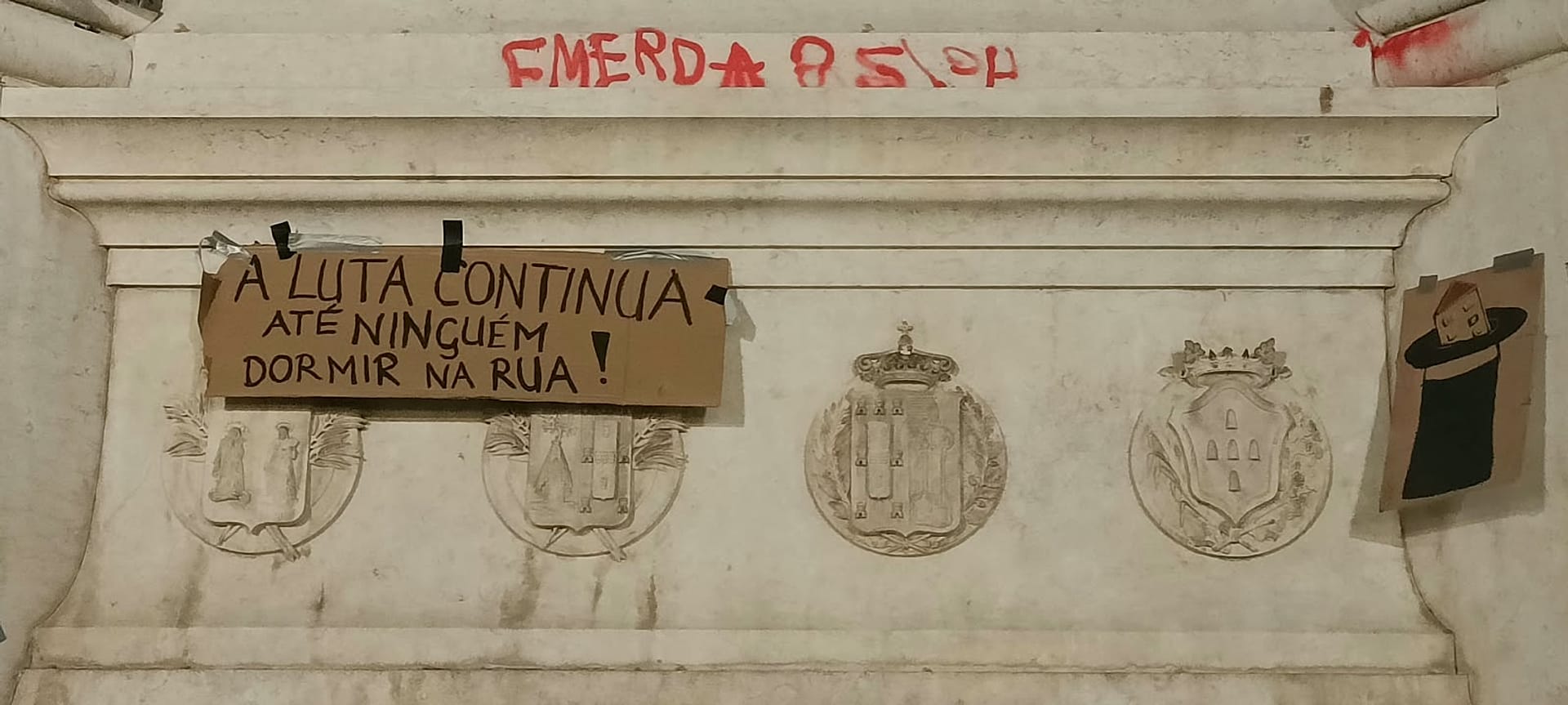
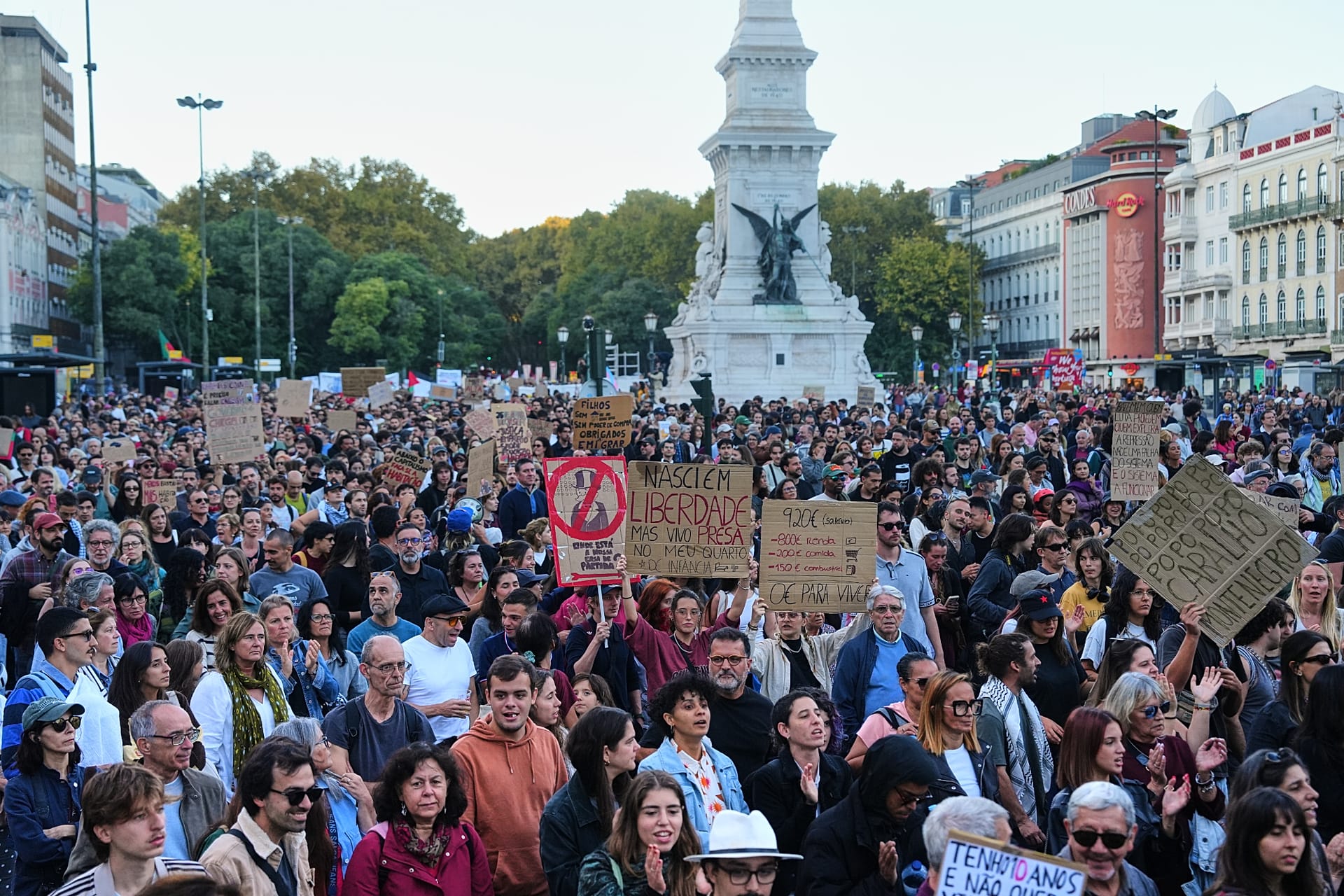
The camp movements in Lisbon and Porto specifically demand the repeal of the rental law, an end to evictions of people without alternative housing, restrictions on property purchases by real estate funds, reconstruction of vacant buildings, and rent caps. The day before, on 24 October, large crowds gathered during peaceful demonstrations, accusing the government of inaction amid Portugal's housing crisis. Tents on main squares remained the primary point of friction with police throughout several weeks of protests. Editorial conclusion based on these facts: the conflict has shifted from peaceful marches to direct confrontation over the right to remain on squares overnight, and discrepancies between police and organizers regarding arrest and injury figures remain unresolved.