The key facts
- Dmitriev said European officials are 'evading and shifting the blame onto the US and Russia'
- He named EU mistakes in migration, energy, and 'fanning the war'
- Earlier, Dmitriev predicted growing interest of European companies in deals with Russia and the US
Dmitriev's statement
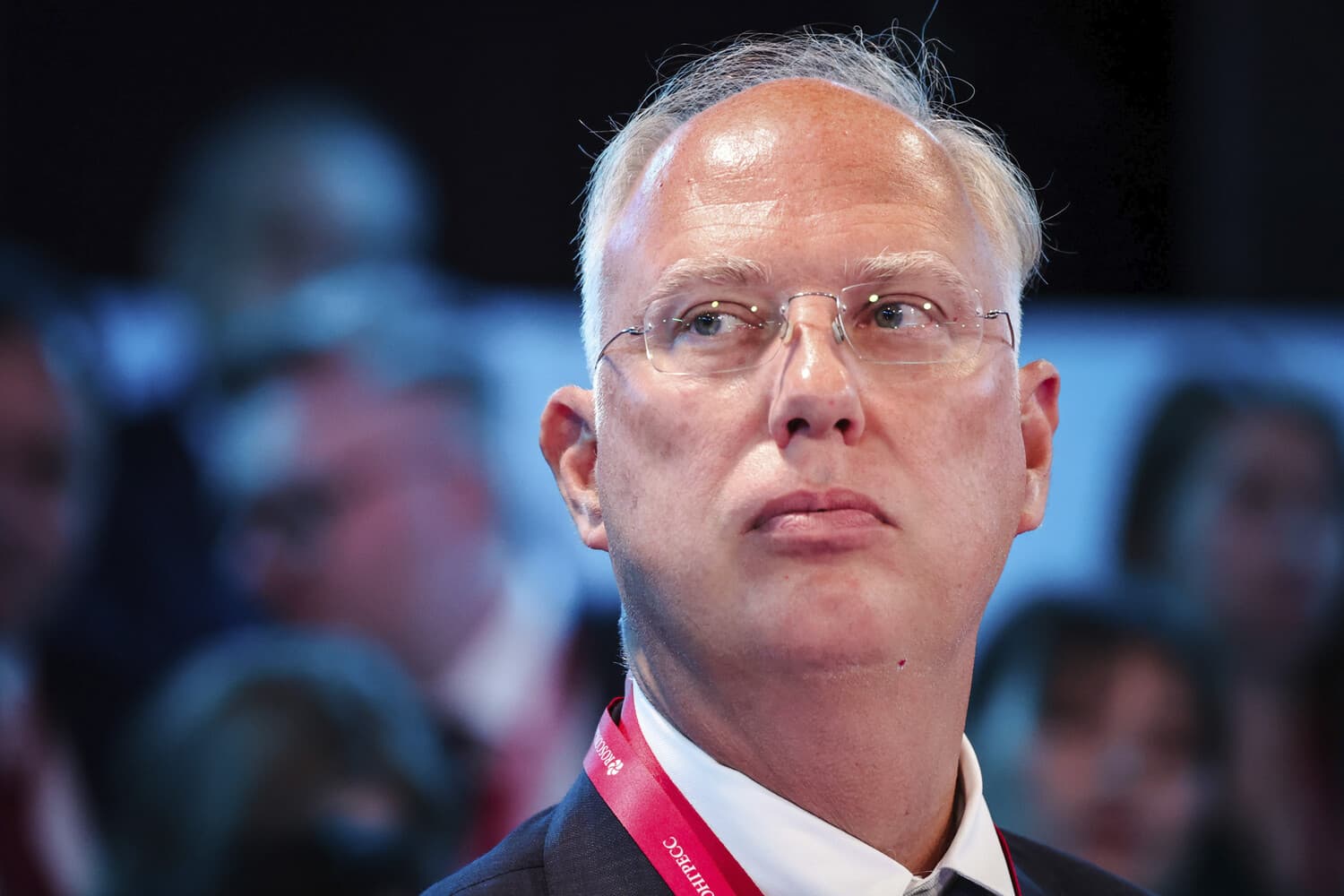
Kirill Dmitriev, the Russian president's special envoy for investment and economic cooperation with foreign countries and head of the Russian Direct Investment Fund, said that Europe is 'heading toward self-destruction' because its officials are busy dodging responsibility instead of correcting mistakes. He wrote this on the social network X, reports Gazeta.Ru. Among the mistakes he cited migration issues, energy, and 'fanning the war.' In his words, European politicians 'prefer to evade and shift the blame onto the US and Russia.'
Previous statements on energy and cooperation with the US
This statement continues a series of Dmitriev's public assessments. Shortly before, he said that the more deals are concluded between Russia and the US, the stronger European companies' desire to join them will become. In his view, this will happen when people in Europe start paying 2–3 times more for energy: then buying energy resources from Russia will become 'absolutely inevitable,' and the politicians who deny it will 'lose on all fronts.'
On the position of European countries and sanctions
Dmitriev also noted that Russia–US interaction will develop actively and step by step, despite the position of a number of European countries that publicly oppose the dialogue while themselves increasing purchases of Russian energy carriers. Earlier he commented on the EU's new sanctions package. The editorial board notes: all the quoted statements belong to a single speaker and reflect his position; no confirmation of his assessments by independent sources is available in the published materials.
Significance
The RDIF head's statements matter as an indicator of the Russian side's public rhetoric toward Europe against the backdrop of the EU's sanctions policy and the Moscow–Washington negotiating track. For European companies and politicians, the practical meaning of these statements is that the Russian side links their economic costs — rising energy prices — with the inevitability of returning to purchases of Russian energy resources. For now this is only the speaker's position, and it is unknown whether it will be confirmed by the actual dynamics of energy consumption and deals.