The key facts
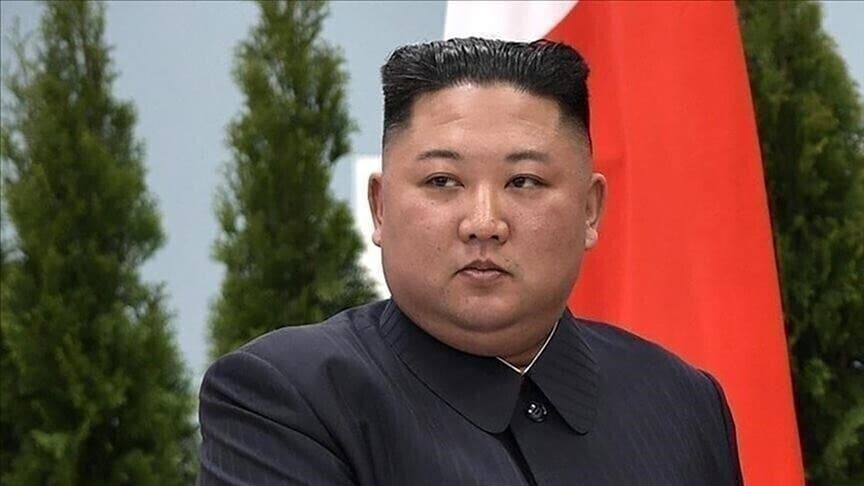
- On October 25, Kim Jong Un made a one-day visit to China's Dandong, announced in advance by neither Pyongyang nor Beijing
- He met with Wang Huning, visited a memorial to Chinese soldiers of the Korean War and a bus factory
- He met with Wang Huning, visited a memorial to Chinese soldiers of the Korean War, and a bus factory
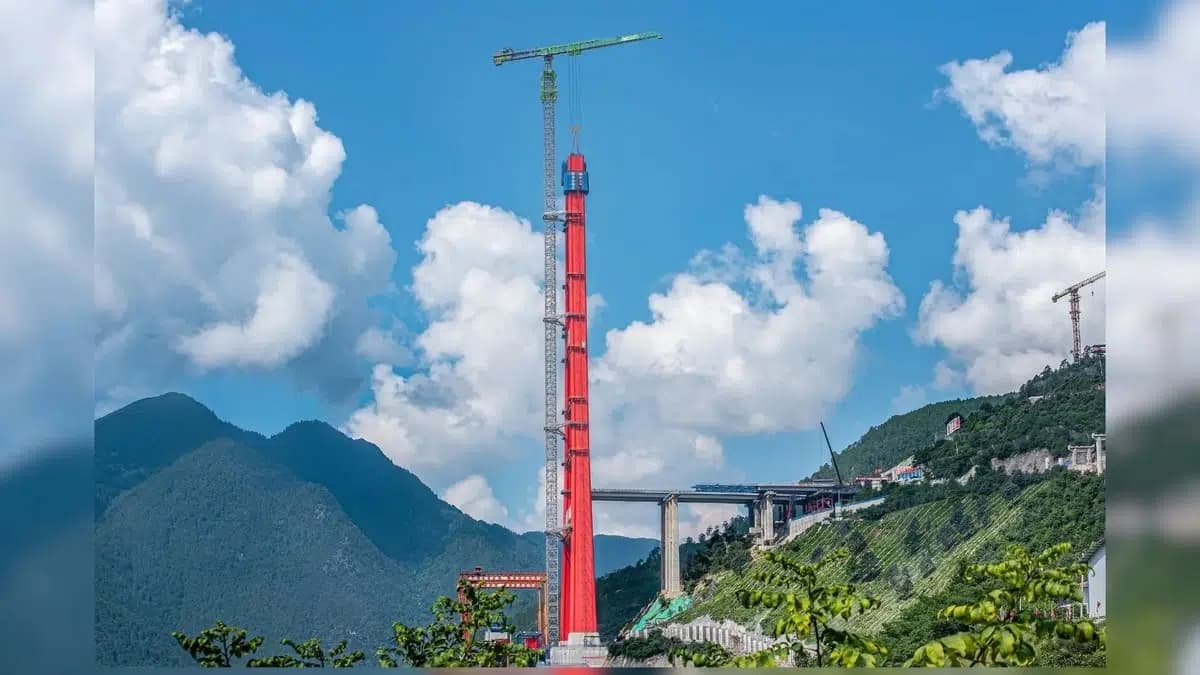
- The visit took place shortly after the opening of the New Yalu River Bridge, completed in 2014, and near the date of China's entry into the Korean War
An unannounced visit to Dandong
North Korean leader Kim Jong Un returned home on Saturday after a one-day visit to the Chinese border city of Dandong, the North Korean state agency KCNA reported. Neither Pyongyang nor Beijing disclosed the trip in advance, AFP notes. According to KCNA, Kim arrived in Dandong via the newly built border bridge; he was accompanied by senior party and state officials, including his sister Kim Yo Jong and Foreign Minister Choe Son Hui. On the Chinese side, Foreign Minister Wang Yi and other officials took part in the events.
Memorial and meeting with Wang Huning
In Dandong, Kim visited a memorial hall dedicated to Chinese soldiers who died in the Korean War of 1950–1953 and paid tribute to their memory — China marked the 76th anniversary of its entry into the conflict on Sunday. The North Korean leader then held a meeting with Wang Huning, chairman of the National Committee of the Chinese People's Political Consultative Conference, who accompanied him during the visit. «We will always remember the history of how the finest sons and daughters of the Chinese people helped our revolution at the cost of their blood, and will steadily and firmly continue the history of DPRK-China friendship,» KCNA quoted Kim as saying. According to the agency, Kim also attended a banquet hosted by Wang on Xi Jinping's instructions and visited a bus factory. Xinhua quotes Wang as saying that the visit is important for «strengthening public goodwill toward friendship, deepening political mutual trust and jointly pursuing cooperation and development»; Wang conveyed to Kim «heartfelt greetings and best wishes» from Xi.
Context: the bridge and relations with China
The visit took place a week after the official opening of the New Yalu River Bridge, which was completed in 2014, but its opening, according to South Korean media, was delayed due to the lack of connecting roads and customs infrastructure on the North Korean side. The opening came just over a month after the first road bridge between the DPRK and Russia was opened. According to Anadolu, this was Kim's sixth visit to China since coming to power in 2011 and the first since September 2025, when he traveled to Beijing for events marking the 80th anniversary of the end of World War II and met with Xi Jinping. AFP notes that the goals and outcomes of the trip remain unclear, but China is the DPRK's largest trading partner and a key source of diplomatic, economic and political support for Pyongyang. Yang Moo Jin, former president of the University of North Korean Studies in South Korea, suggested to the agency that Kim may have sought to «hurry China» into fulfilling commitments agreed during Xi's visit to Pyongyang this year, and also to secure Beijing's support ahead of a possible summit with Donald Trump in Shenzhen.
Background: inter-Korean tensions and the nuclear issue
Hours before South Korean agency Yonhap first reported the trip, North Korean state media said that Kim, at a large meeting in Pyongyang, called on the army to prepare to become the strongest in the world, speaking of a «Korean revolution in military affairs.» This came shortly after Seoul's military, blaming North Korean mines for an explosion in the demilitarized zone that wounded South Korean service members, proposed talks on Friday to clarify the shared border; Pyongyang flatly rejects this claim and has not responded to the proposal. AFP also recalls that in June Kim hosted Xi in Pyongyang, and neither Pyongyang nor Beijing mentioned the DPRK's denuclearization in official statements after that meeting — an omission that experts interpreted as a sign of China's tacit consent.
Why it matters
The visit underscores Pyongyang's course of deepening its economic and political reliance on Beijing: the opening of the Yalu River bridge after 12 years of disuse directly expands cross-border trade, which, as 50-year-old driver Zhao, interviewed by AFP, expects, will ultimately benefit Chinese border cities. For observers, the signal is also significant against the backdrop of the inter-Korean crisis following the explosion in the demilitarized zone: Pyongyang is demonstrating the strength of its alliance with China while not responding to Seoul's proposals for talks. In practical terms, this means the imminent revival of border logistics through the new bridge and continued coordination between Pyongyang and Beijing ahead of possible contacts between Kim and the United States.