The key facts
- Saily’s Tombstone Tourism Index evaluated cemeteries on five parameters: famous burials, visual appeal, protected status, absence of crowds, and transport accessibility
- The Tombstone Tourism Index by Saily rated cemeteries on five criteria: famous burials, visual appeal, protected status, lack of crowds and transport accessibility
- Among the leaders are Père Lachaise (Paris), Vår Frelsers Gravlund (Oslo), Dean (Edinburgh), Olšany (Prague) and Highgate (London)
- Most cemeteries in the ranking are free to visit; the exception is London’s Highgate
- Most cemeteries in the ranking are free to visit; the exception is London's Highgate
A cemetery ranking for tourists
Ahead of Halloween, the eSIM travel app Saily has published the “Tombstone Tourism Index” — a ranking of 30 European cities home to the most interesting necropolises to visit. The index took five parameters into account: famous “residents,” visual appeal, protected status, absence of crowds, and transport accessibility from the city center; each category was assigned its own percentage weight. According to the outlet, the idea behind the ranking is that historic cemeteries often turn out to be more atmospheric than paid “haunted houses,” and admission is usually free. “Every October, people spend hours queuing for haunted attractions while walking past real treasures,” euronews quotes Matas Cenis, head of product at Saily, as saying. In his words, historic cemeteries are “open-air museums” worth visiting at any time of year, not just during the Halloween season.
Paris, Oslo and Edinburgh
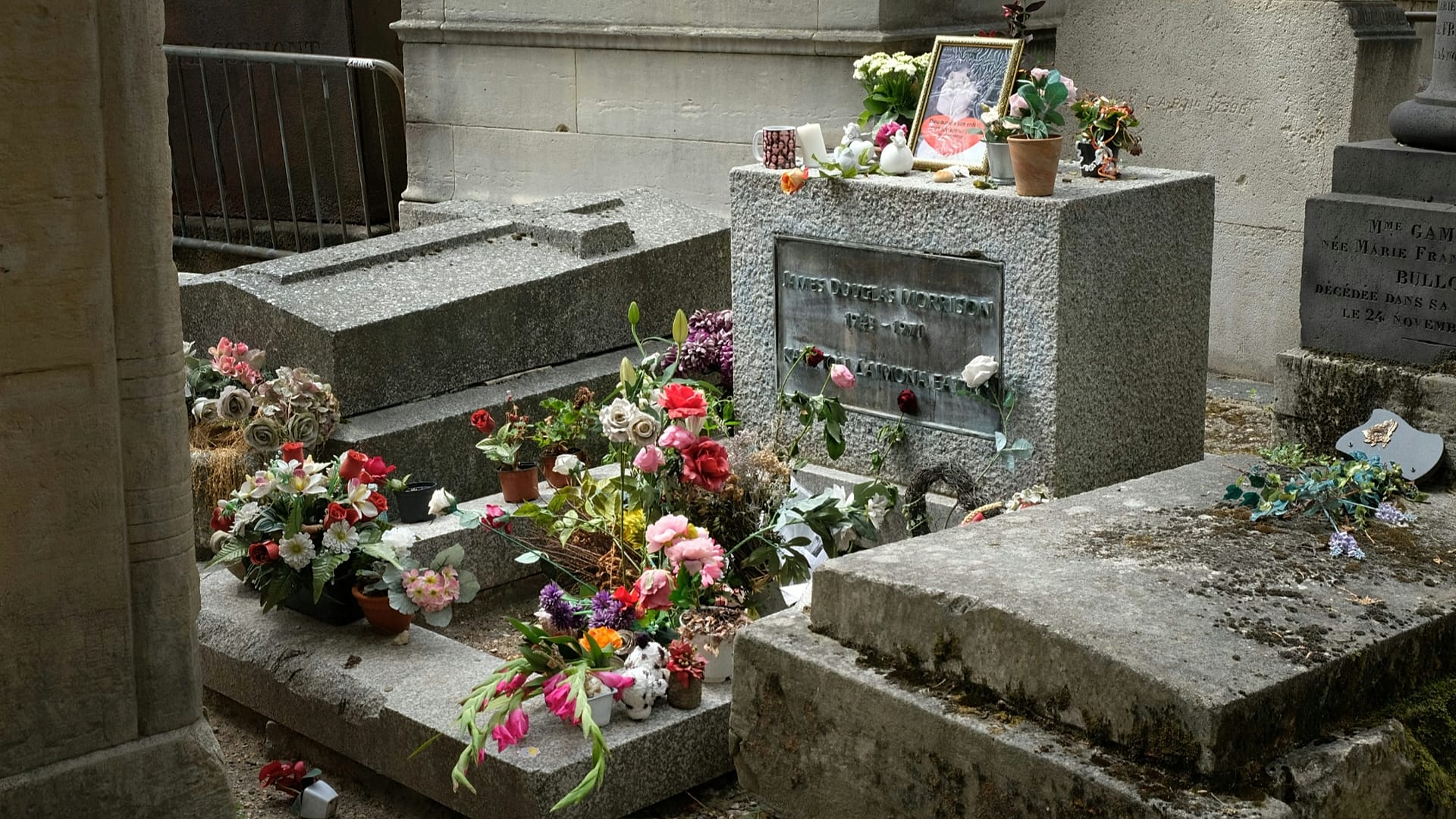
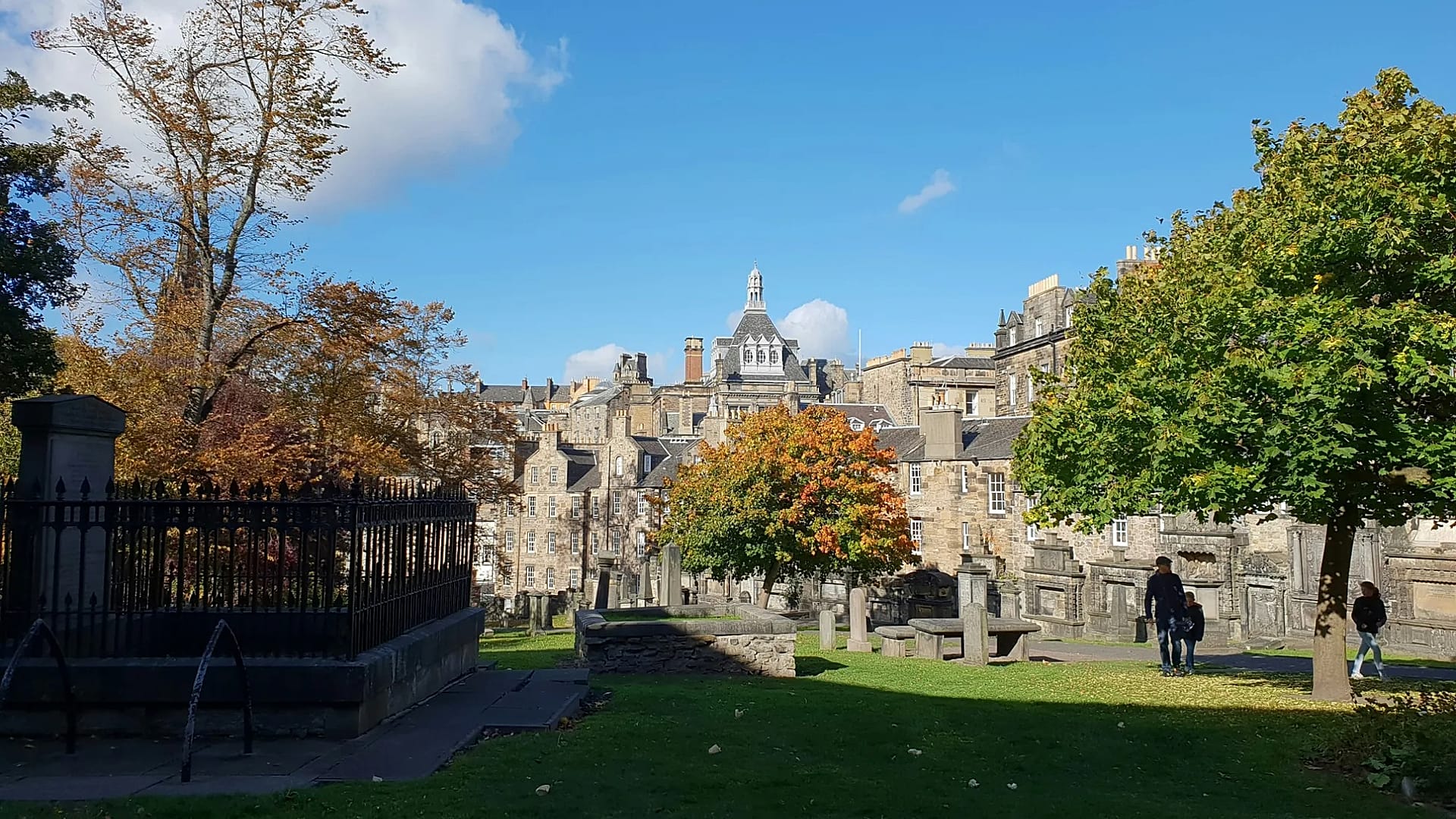
Paris’s Père Lachaise Cemetery covers 44 hectares and contains around 70,000 graves, including 1,445 notable figures: Chopin, Édith Piaf, Oscar Wilde, Jim Morrison, Marcel Proust, Molière, Balzac and others. The grave of The Doors frontman Jim Morrison is especially popular, and Wilde’s tombstone, covered in traces of lipstick, had to be protected with a glass barrier. More than 4,500 photographs of the cemetery have been published on Wikimedia Commons, making it the most documented necropolis in the world. Admission is free, and the trip from central Paris takes about 15 minutes; the outlet recommends downloading the official app so as not to get lost on the large grounds. In Oslo, the ranking highlights Vår Frelsers Gravlund: despite having only 123 Google reviews, it is 10 minutes from the city center, and there, just steps apart, lie Henrik Ibsen, Edvard Munch, the painter Christian Krohg and polar explorer Fridtjof Nansen. Even less known is Dean Cemetery in Edinburgh (90 Google reviews), located literally a few steps from the city’s busiest street. It is a Category A listed heritage site with Victorian monuments, where the architect William Playfair, the philosopher Dugald Stewart and the portraitist Henry Raeburn are buried.
Prague and London
Prague’s Olšany Cemetery is described as a labyrinth of crumbling Baroque tombs, Art Nouveau monuments and overgrown paths; Franz Kafka is buried there. A visit can be combined with the neighboring Vyšehrad Cemetery, where the composers Antonín Dvořák and Bedřich Smetana, the painter Alphonse Mucha and the writer Karel Čapek rest. London’s Highgate, according to euronews, is perhaps the most atmospheric cemetery in Britain, but it is controversial: admission is paid unless you are the owner of a grave or hold a special pass. Nevertheless, it remains popular: Karl Marx, George Eliot, Christina Rossetti and Michael Faraday are buried there. The entire cemetery has Grade I listed status, with around 950 notable graves, and its Victorian neo-Gothic — with overgrown mausoleums, ivy-covered angels and the Egyptian Avenue — makes it photogenic. Editorial caveat: the ranking was produced by the commercial app Saily, and its methodology with “percentage weights” for categories is described only in general terms, so the cemeteries’ positions should be seen as a marketing assessment rather than independent research.
Why it matters
The ranking is relevant to travelers planning autumn trips around Europe: it points to free and little-known attractions near the centers of major cities — from Père Lachaise, 15 minutes from central Paris, to Dean Cemetery by a busy Edinburgh street. The practical takeaway from the facts presented: most of the sites on the list can be visited without a ticket or queues, the exception being paid Highgate, and for Père Lachaise it is worth downloading the official navigation app in advance.