The key facts
- First-round turnout was below 40% against the required 50%; the runoff is set for November 1.
- Iliana Yotova (41–47%) and Andrey Gyurov (28–31%) lead, with Kostadin Kostadinov third (10–13%).
- The campaign unfolds against the backdrop of drone attacks on ships off Bulgaria's coast and the arson of Starlink antennas near Sofia.
Record-low turnout sends Bulgarian voters to a runoff
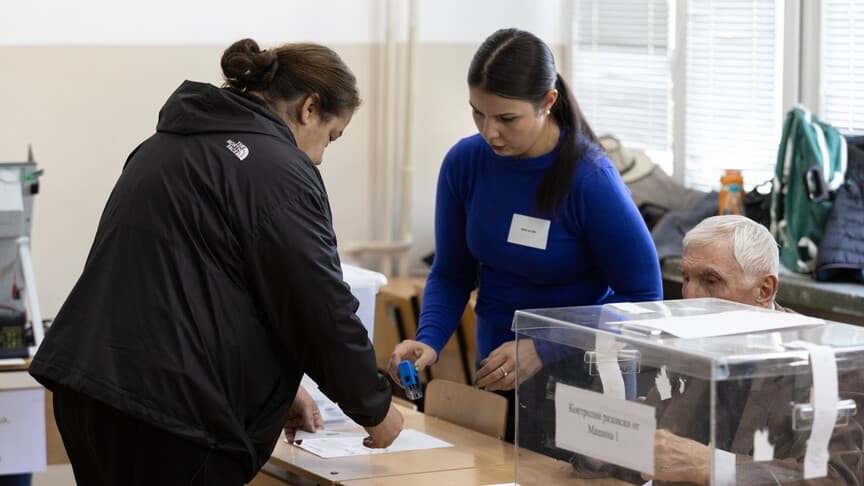
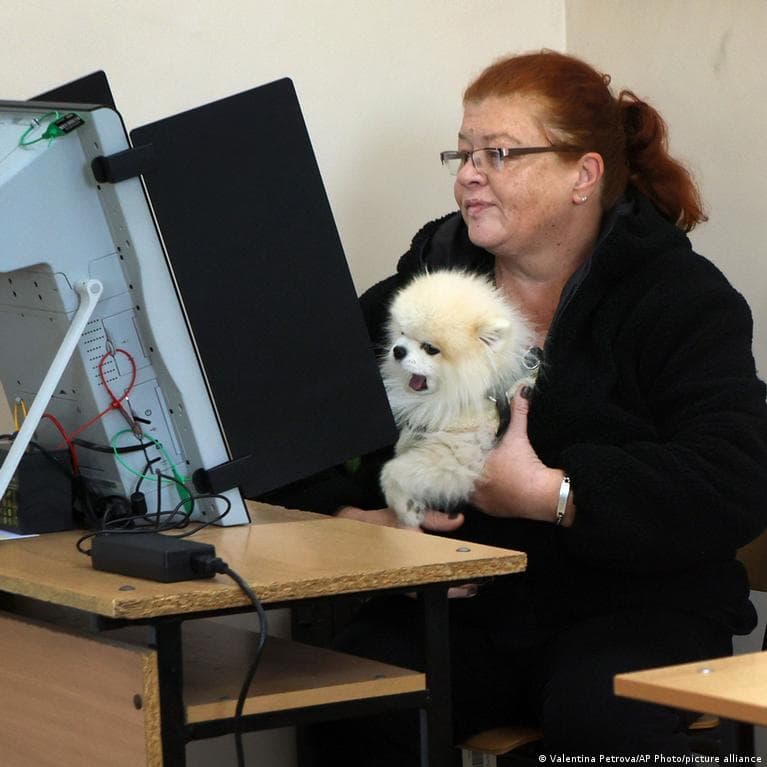
In Bulgaria's presidential election on Sunday turnout was below 40% — a record low figure, far short of the 50% required to win in the first round. According to Bulgarian media citing the Myara agency, turnout was estimated at only 15.1% by 3:00 p.m. local time. Polls were open from 7:00 a.m. to 8:00 p.m. (05:00–18:00 GMT), with official results expected within 48 hours. Since no candidate managed to win outright, a runoff will be held on November 1, Deutsche Welle reports.
Candidates and their positions
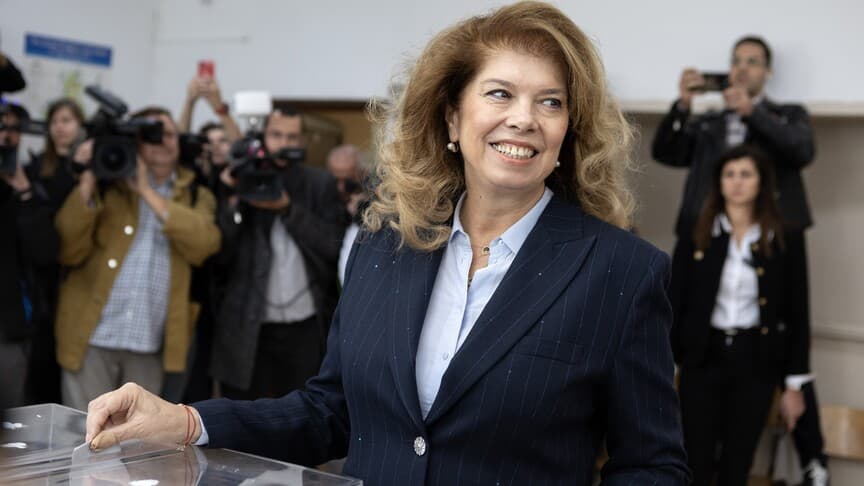
The frontrunner is incumbent President Iliana Yotova, 62, who took office this year after Prime Minister Rumen Radev resigned to run in the parliamentary elections that returned him to power. According to polls, Yotova is drawing 41–47% of the vote; she advocates dialogue with Moscow as a path to peace in Ukraine and opposes military aid to Kyiv. Her victory would strengthen the position of Radev, who also favors dialogue with Moscow, and would make Yotova Bulgaria's first elected female president.
The opposition and the balance of power
Yotova's main rival is Andrey Gyurov, 50, a former interim prime minister (he held the post from February to March 2026) backed by the pro-Western opposition. He is a sharp critic of Radev's foreign policy and advocates Bulgaria's Euro-Atlantic ties — the country is a member of the EU and NATO; as interim prime minister, Gyurov signed a security cooperation agreement with Kyiv. His poll standing is 28–31%. In third place is Kostadin Kostadinov, leader of the pro-Russian far-right party Vazrazhdane, with 10–13%. In total, 27 pairs of presidential and vice-presidential candidates are running in the first round, nearly half of whom openly support the Kremlin.
Context: the war in Ukraine and security
The war in Ukraine has become the central theme of the campaign, especially after this month, off the Bulgarian coast, reportedly, drones struck four commercial ships — an apparent spillover of the conflict. Bulgaria has turned to its allies for help in strengthening maritime security. In addition, Starlink satellite internet antennas, an important part of Ukraine's defense capability, were set on fire near Sofia. Radev said the attacks appear to play into Russia's hands and summoned the Russian ambassador, but his government declined to directly assign responsibility to Moscow. Nevertheless, the strikes, as Deutsche Welle notes, raised concerns about Russia's intentions to escalate the conflict.
The economy and domestic issues
Other key issues include rising energy prices and inflation, which have caused economic hardship for many residents of Bulgaria, the EU's poorest country. Voters also hope to curb corruption, which remains a chronic problem, and to get a stable government after a string of elections and coalition collapses in recent years. After voting, Yotova in Sofia called for peace, stability and unity, while Gyurov in Blagoevgrad called for a Bulgaria that looks forward and provides families with greater economic security.
Why it matters
Although the presidency in Bulgaria is largely ceremonial, the head of state appoints interim governments during political crises, serves as commander-in-chief of the armed forces and can veto laws — so the outcome of the runoff will directly affect the country's course between dialogue with Moscow and a Euro-Atlantic orientation. The result on November 1 will determine whether Radev's line receives additional support, and it will affect all Bulgarian voters, for whom Black Sea security and economic stability are also at stake. In practical terms, this means voters will go to the polls again on November 1, and the balance of power in the country's leadership may shift depending on turnout, which in the first round was record low.