The key facts
- Bukele refuted the NYT report that the bodies found near Port-au-Prince belong to the missing Salvadoran military personnel
- The four technicians went missing on October 18 after a gang attack in Croix-des-Bouquets
- The identity of the remains had not been confirmed as of Saturday, and the fate of the missing is unknown
El Salvador's president refutes report about found bodies
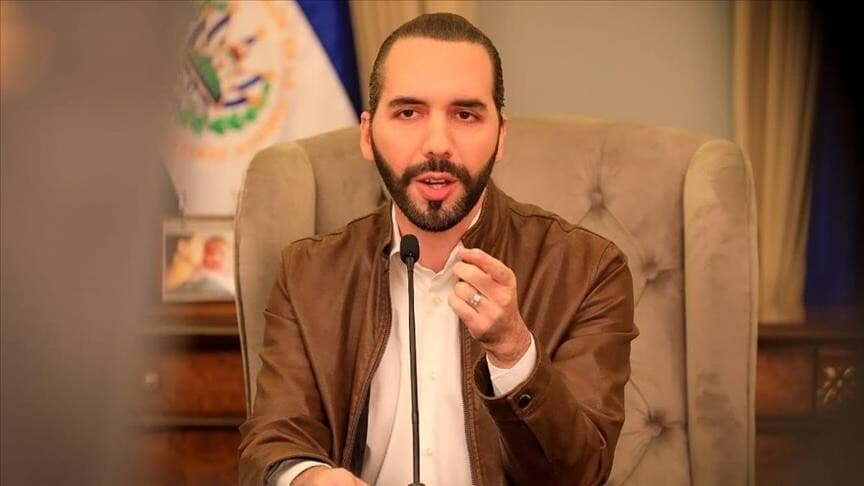
El Salvador's President Nayib Bukele said on Saturday that human remains handed over by a non-governmental organization in Haiti do not belong to the four Salvadoran military aviation technicians who went missing after an attack by armed gangs. This contradicts a report by The New York Times, which wrote on Saturday, citing two informed sources from the international security mission, that four bodies, believed to be those of the missing Salvadorans, had been found on the outskirts of Port-au-Prince. According to another source for the outlet, the bodies were severely burned and forensic examinations were required to establish their identity.
Bukele's arguments and the handover of the remains
“These are not our people,” Bukele wrote on the social network X. According to him, among the remains were a child, a man significantly taller than the missing technicians, and a person in fragments of a foreign military uniform; identity documents and military uniforms from other countries were also found. Scott Rees, a former US State Department employee whose humanitarian organization Hero Client Rescue received the remains, said they were taken to the international airport to be handed over to the Salvadoran military group. “We were called in as a neutral humanitarian medical team to collect the remains,” Rees said.
Search for the missing and the region's reaction
The four technicians went missing on October 18, when armed individuals attacked their armored vehicle in Croix-des-Bouquets, a gang-controlled area northeast of Port-au-Prince. Media linked the attack to the Chen Mechan and 400 Mawozo gangs, but the circumstances of the disappearance remain unclear. The missing men served in the International Gang Suppression Force (GSF) — a security mission under UN Security Council auspices — handling transportation and medical evacuation. El Salvador sent hundreds of additional personnel to support the search, and the United States provided logistical assistance with a C-130 aircraft, El Salvador.com reports. Dominican Republic President Luis Abinader said on X that he had discussed with Bukele logistical and intelligence cooperation in operations against criminal groups in Haiti. He said he had reinforced border security with additional troops, armored vehicles, drones and aircraft, adding that the gangs had not approached the border and no signs of movement toward it had been observed.
Context and what remains unknown
According to the outlet, Haiti's gangs have killed thousands of people and forced more than 1.5 million to flee their homes; the GSF, which arrived in April, is struggling to reach its planned strength of 5,500 personnel. As of Saturday, the identities of the found remains had not been independently confirmed, and the whereabouts of the four Salvadoran technicians remained unknown. The discrepancy between Bukele's statement and the NYT report persists: there is no confirmed information about the fate of the missing, and the question of identifying the remains remains open.