The key facts
- The US State Department issued travel warnings for 13 Middle Eastern countries due to the threat of terrorism
- Houthi attacks on Saudi airports caused casualties and disruptions to air travel
- According to Axios, US intelligence considers Iranian plans to attack American diplomats “advanced”
Warnings for 13 countries
The US State Department on October 24 warned citizens about the dangers of travel to Saudi Arabia, Bahrain, Iran, Iraq, Jordan, Lebanon, Kuwait, Oman, the UAE, Qatar, Syria, Yemen and Israel. All of the warnings cited the threat of terrorism. For Saudi Arabia, Washington recommended reconsidering the need for travel, citing in particular the “risk of drone and missile attacks on American interests by Iran and Iran-backed Houthis,” as well as armed conflict. Travel to the border area with Yemen was advised against entirely.
Attacks on airports and consequences for aviation
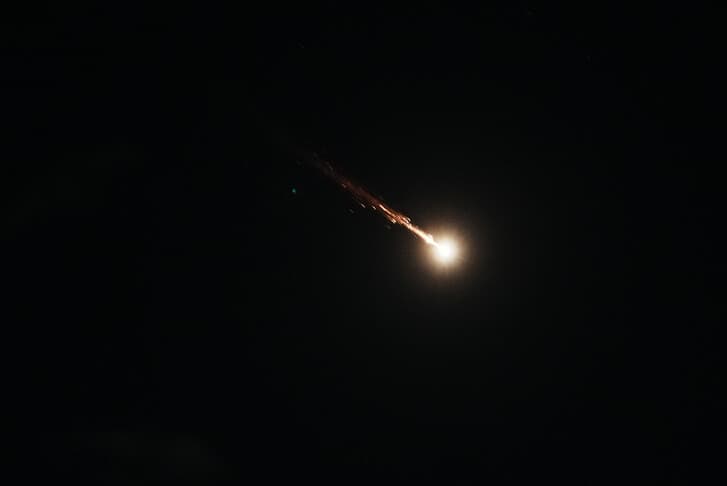
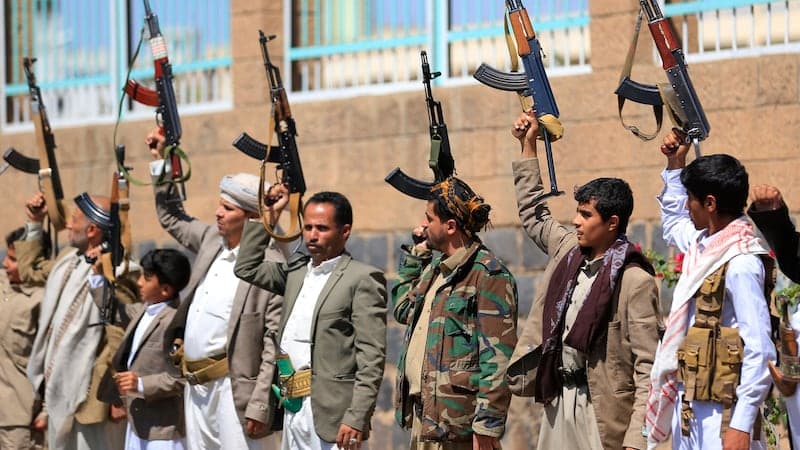
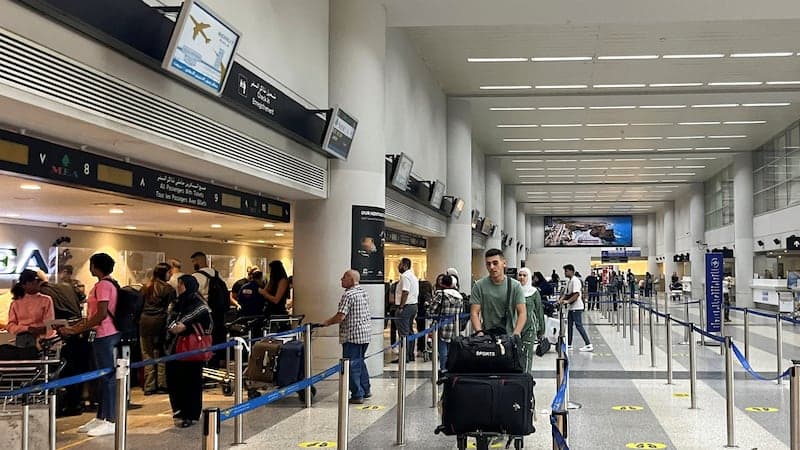
According to a State Department spokesperson, the warnings “do not point to new Houthi capabilities, but reflect the strikes we have seen in recent days, including on the airport.” This refers to the group’s attacks on the airports of Riyadh, Dammam, Najran and Jizan in recent weeks. The latest attack on King Fahd International Airport in Dammam, according to Saudi Arabia’s General Authority of Civil Aviation, killed two people and wounded eight. King Khalid International Airport in Riyadh, after closing this month, has resumed operations only partially; international flights have not been fully restored. According to The National, Houthi attacks on Saudi Arabia “have the potential to quickly extend beyond this region.”
Tensions between the US and Iran
US President Donald Trump said at a rally in Florida on Friday that Washington could carry out a new military operation against Iran if an agreement is not reached: “We can do another little Epic Fury,” he said, using the American name for the war with Iran. Earlier this month he said the US would not strike Iran before the midterm elections on November 3. Iranian officials, for their part, promised a response to any new attack on a larger scale than Tehran’s strikes on the region after February 28. The head of Iran’s National Security Council, General Mohsen Rezaei, told Iranian media that cables, data centers and artificial intelligence facilities could come under attack.
Intelligence data and staff withdrawal
According to a memorandum to Secretary of State Marco Rubio obtained by Axios, American intelligence has established that Iranian plans for attacks on American diplomats and officials in the Middle East have reached “advanced stages.” The document says Tehran has “significantly escalated” its efforts to attack American personnel and that “Iranian lethal plots against US citizens have reached advanced stages both in the Middle East and in a number of other countries.” Axios, citing American officials, reports that this intelligence is one of the reasons the State Department is withdrawing staff from embassies across the region amid growing concerns about a new conflict.
Why it matters
The warnings cover 13 countries at once and directly affect millions of travelers and residents of the region: confirmed attacks on four Saudi airports have already caused casualties and only partial restoration of flights from Riyadh. In practical terms, this means that travel to the listed countries requires reconsidering plans, and air service with Saudi Arabia may remain unstable until airports are fully operational. At the same time, the withdrawal of staff from US embassies signals that diplomatic infrastructure is being prepared for a possible escalation, the timing of which sources do not specify.