The key facts
- Trump personally ordered the Justice Department to challenge certification of the Alaska Senate election result if Republican Dan Sullivan loses
- The lawsuit argues that namesake Dan J. Sullivan Jr. is running to siphon votes from the Republican; Democrats and Sullivan Jr. himself deny this
- Attorney General Todd Blanche said the Justice Department is not preparing to intervene in the election but refused to rule out a “doomsday scenario”
DOJ's precedent-setting lawsuit on the eve of the midterm elections
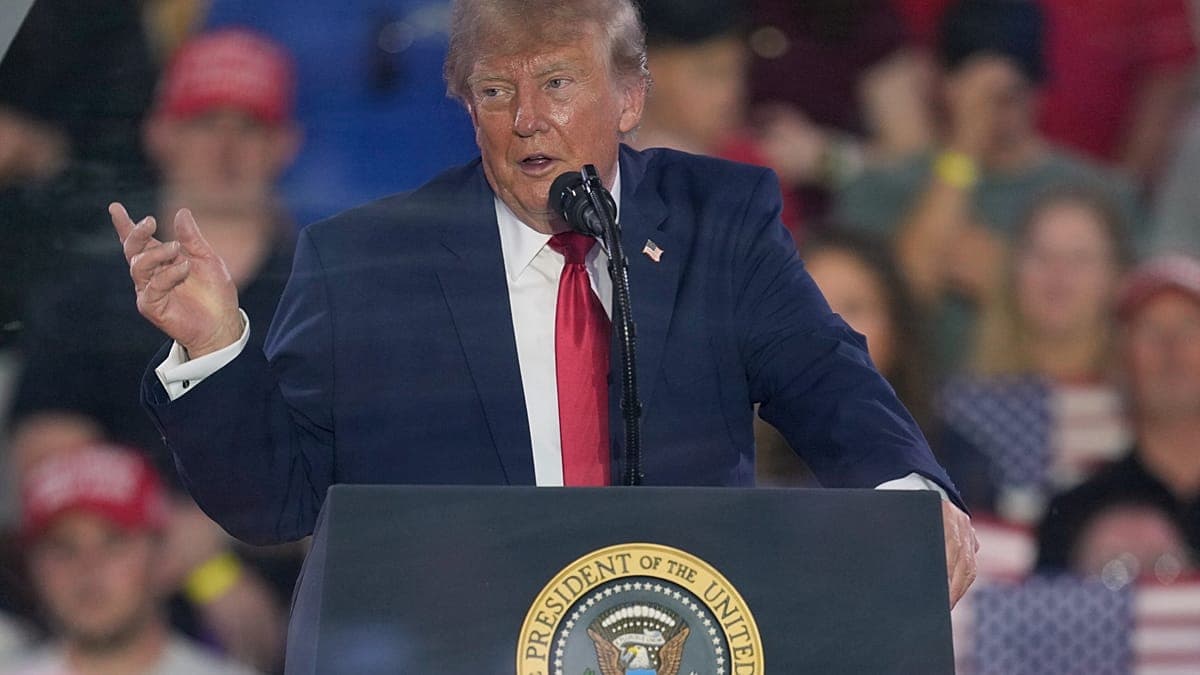
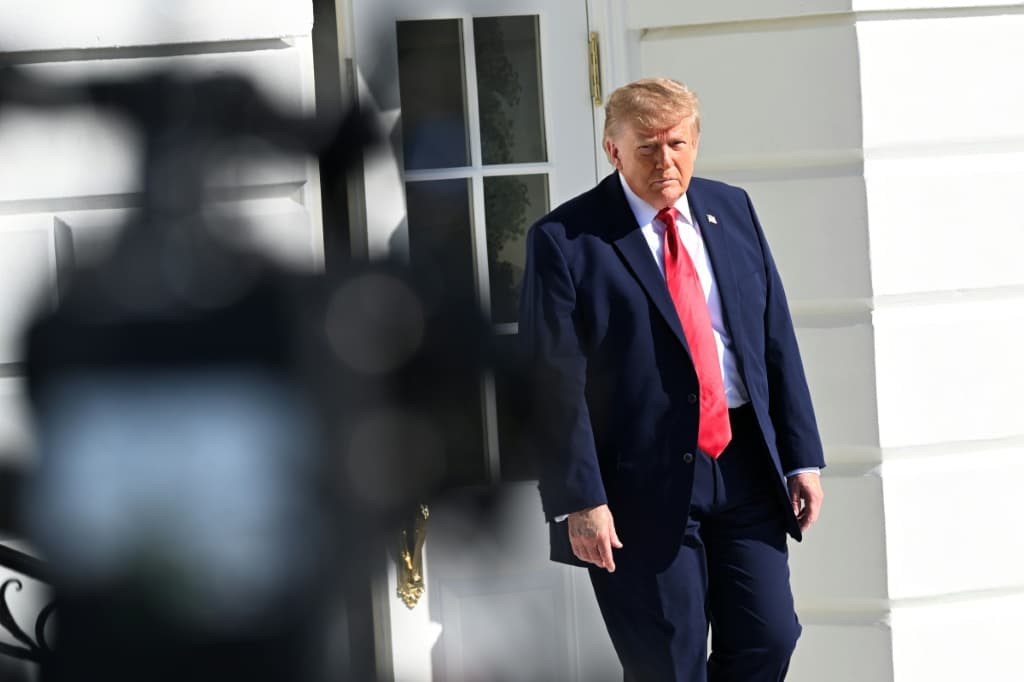
President Donald Trump said on Friday that he had ordered the Department of Justice to file a lawsuit intended to block certification of the Alaska Senate election result if the incumbent Republican senator loses. “I'm the one who said: ‘do it’”, Trump announced during a trip to Florida, where he plans to vote early in the November 3 elections that will determine control of Congress, currently held by Republicans. AFP notes that this unprecedented presidential intervention, preemptively challenging a possible election outcome, casts a new shadow over the midterms.
The substance of the lawsuit and the parties' positions
The lawsuit, filed on Thursday, argues that the presence on the ballot of an additional candidate, Dan J. Sullivan Jr., is part of a deliberate scheme to confuse voters and undermine the chances of the incumbent Republican senator Dan Sullivan, who is running against Democrat Mary Peltola. “The sole purpose of his candidacy is to benefit the Peltola campaign by reducing the number of votes for Senator Sullivan”, the lawsuit says. Democrats and Sullivan Jr. himself, a registered Republican, deny this. The lawsuit demands suspending certification of a Democratic victory pending an investigation if the incumbent senator's margin, should he lose, turns out to be smaller than the number of votes received by his namesake. Over the summer, Sullivan Jr. was briefly removed from the ballot, but an Alaska lower court reinstated him.
The attorney general's position and critics' reaction
Attorney General Todd Blanche, who, according to AFP, has repeatedly violated Washington's norms on the distance between the Justice Department and the White House, said on Thursday that the department is not preparing to intervene in the midterm elections. However, he refused to rule out what he called a “doomsday scenario”: “To say there are no circumstances under which we would do that? Of course I'm not going to say that”. Democrats accuse the Trump administration of trying to influence the outcome of the November vote by expanding federal control over elections that fall under state jurisdiction and by repeatedly questioning the integrity of the results. Legal analyst Derek Muller called the Justice Department's reasoning “outrageously thin” and assessed the lawsuit's chances in court as practically nil: “Essentially, there is no probability of success”, he wrote on Election Law Blog.
Context of the Alaska election
Democrats are forecast to make major gains in the November 3 elections; if they take the House of Representatives, as widely expected, they will for the first time be able to genuinely constrain Trump's unprecedented concentration of power since his return to office two years ago. Democrats also have a slim chance of taking the Senate by flipping several Republican seats, including the Alaska one. Trump won Alaska by a 13-percentage-point margin in the 2024 election, but amid growing discontent with Republicans across the country, Peltola — a former tribal judge and representative of Alaska's Indigenous peoples — is running a strong campaign. At the same time, the state's population is only 740,000 people, which makes the vote count especially sensitive to small shifts. Editorial comment: the significance of the lawsuit lies in the fact that it pre-emptively establishes a mechanism for challenging the result in a specific state, and the narrow vote margin that the lawsuit itself defines as the condition for blocking certification could realistically arise in a state of 740,000 people — it is precisely this circumstance that makes the situation legally and politically significant for control of the Senate.