The key facts
- The first Ebola case in Nigeria is a Swiss woman, the wife of an employee of the Swiss embassy in Abuja; the infection is presumed to have occurred during a trip to Uganda about two weeks ago.
- Neither the patient nor her husband visited the DR Congo — the epicenter of the Bundibugyo strain outbreak, for which there are no specific vaccines or treatments.
- 44 contacts have been identified; the husband is isolated without symptoms, the remaining 25 embassy staff do not require isolation; Bern is considering repatriating the patient.
The patient is the wife of an employee of the Swiss embassy
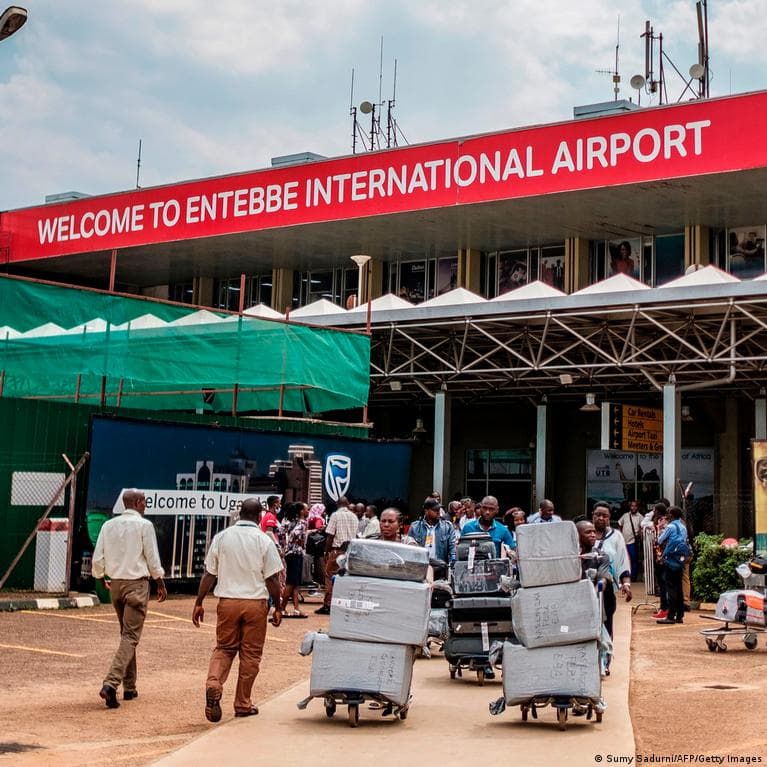
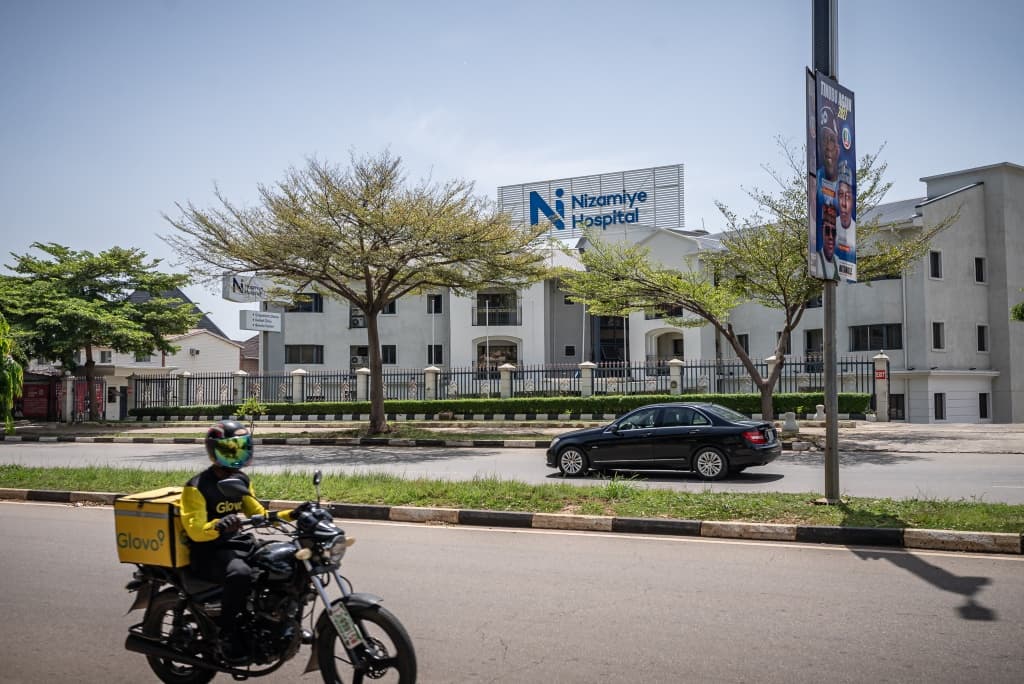
Switzerland's Federal Department of Foreign Affairs said on Friday that the Ebola patient in Nigeria is a Swiss woman, the wife of an employee of the country's embassy in the Nigerian capital, Abuja. According to the department, the woman has been in a private clinic in Abuja for about a week with symptoms of the disease. “The infection may have occurred during a trip to Uganda about two weeks ago”, Swiss authorities noted.
Husband isolated, embassy continues to operate
The patient's husband, who accompanied her on the trip, has been placed in isolation; he shows no symptoms. The Swiss Foreign Ministry stressed that neither spouse had visited the Democratic Republic of the Congo, the epicenter of the current outbreak. The remaining 25 embassy staff — eight Swiss nationals and 17 local employees — “are also feeling well”: after consultations with Nigeria's health ministry and the WHO, they do not require isolation. Bern is considering “the possible repatriation of the patient” to Switzerland.
Timeline and the Bundibugyo strain
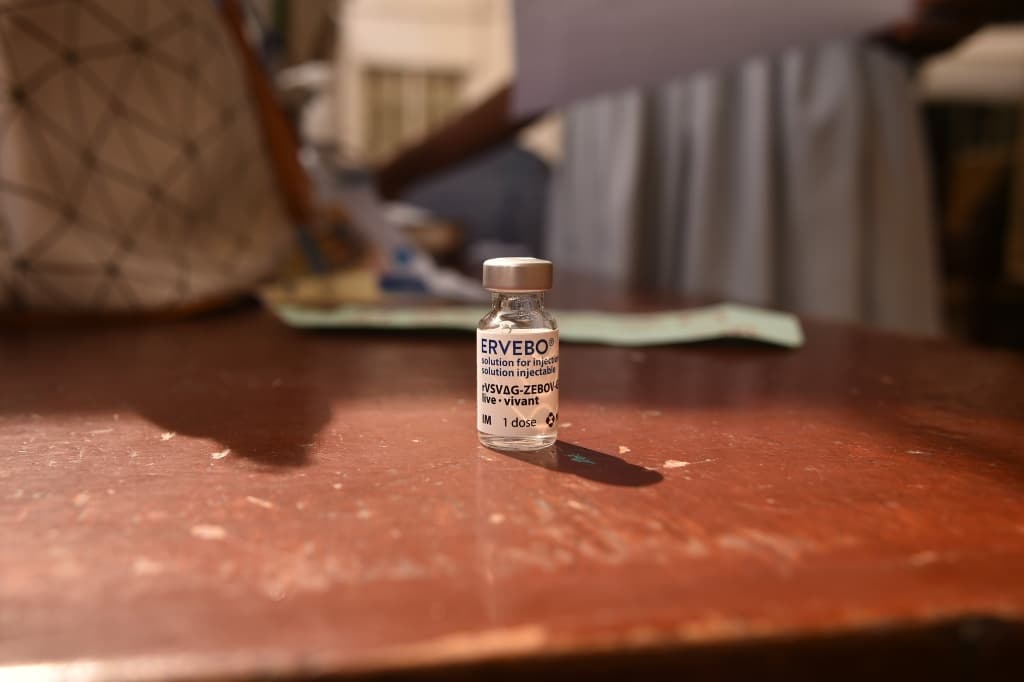
On Tuesday, Nigeria announced its first recorded case of Ebola: the woman arrived in Abuja on a flight from Uganda, and a total of 44 contacts have been identified. On Wednesday, authorities confirmed that the patient carries the Bundibugyo virus — the same strain causing the outbreak in the DR Congo, for which there are currently no specific vaccines or treatments. According to the WHO, the woman's symptoms appeared on October 7, four days after her arrival in Nigeria; on October 11 she sought medical care in Abuja, and on October 20 the Bundibugyo test came back positive.
WHO measures and the scale of the outbreak
The WHO said national authorities, with the organization's support and that of partners, have intensified contact tracing, case investigation and infection control measures, including the delivery of essential supplies and personal protective equipment for health workers. “An investigation is under way to establish the likely source of infection and to reconstruct the history of travel and contacts,” the agency's update states. At the same time, the WHO “does not recommend any restrictions on travel to, or trade with, the affected countries”. Nigeria has become the fourth African country, after the DR Congo, Uganda and Kenya, affected by the Bundibugyo outbreak, which began in the north-east of the DR Congo in May.
Significance of the event
This event matters because a confirmed case of imported infection in Africa's most populous country expands the geography of the Bundibugyo outbreak to a fourth state, and the absence of specific vaccines and treatments for this strain raises the stakes for health services. In practical terms, this means continued monitoring of the 44 identified contacts, strengthened infection control measures in Nigerian medical facilities, and the possible repatriation of the patient, a decision on which is still being made by Bern. The key open question is the exact source of infection: the WHO investigation is ongoing, and the definitive link to Uganda remains, for now, an assumption by the Swiss authorities.