The key facts
- An imported case of Bundibugyo-strain Ebola has been detected in Nigeria — the first time the virus has reached West Africa in the current outbreak.
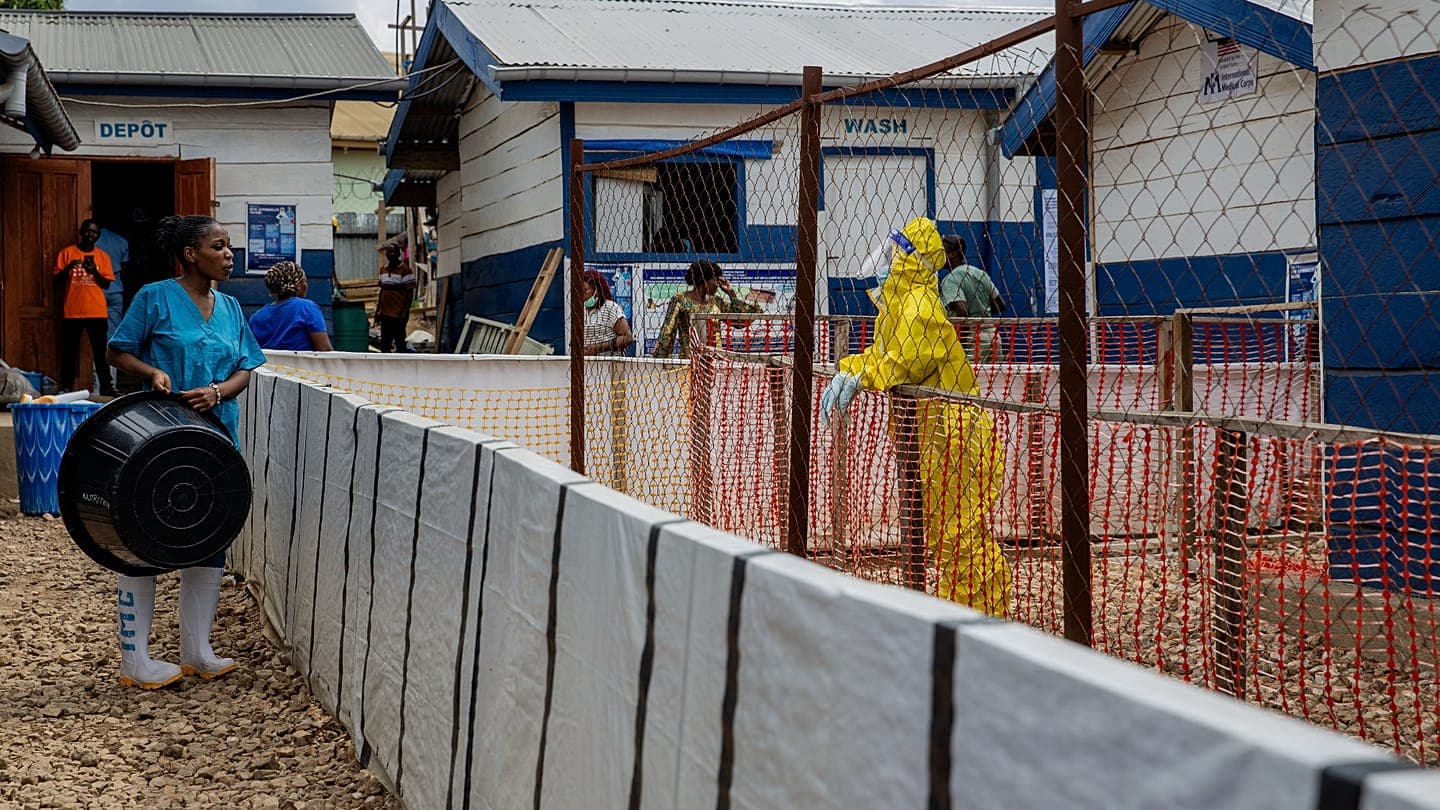
- The outbreak in the DR Congo is the deadliest in the country's history: more than 4,000 deaths out of more than 9,000 confirmed cases since mid-May.
- Kenya has reported nine cases since October 6; the Nigerian patient's contacts have been traced, and part of the 'high-risk group' has been isolated.
Imported case in Nigeria
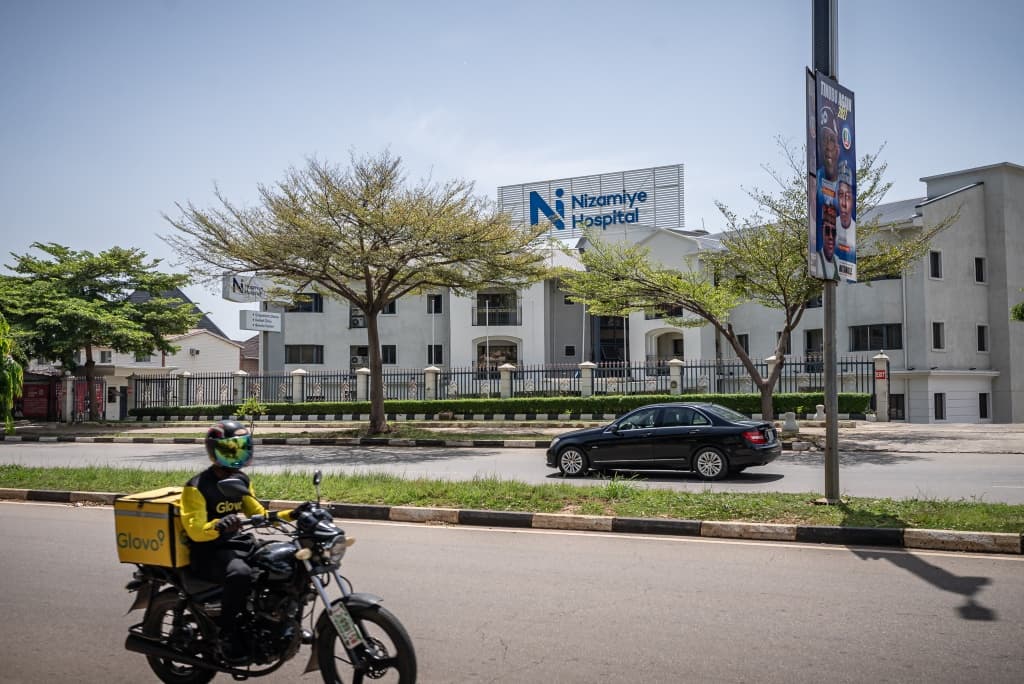
The World Health Organization warned on Thursday that Africa is facing a 'complex' Ebola outbreak after the virus spread from East Africa to Nigeria — the first case on the west of the continent. On Tuesday, Nigeria announced an imported case of the Bundibugyo strain, which is currently driving a major outbreak in the DR Congo. The virus was detected in the wife of a diplomat who arrived from Uganda in the capital, Abuja. According to WHO representative in Nigeria Pavel Ursu, the patient arrived in Abuja on October 3 after staying in Uganda since September 16. She flew on an Ethiopian Airlines flight with a transit through Addis Ababa, it was reported at an emergency meeting of the Nigeria Centre for Disease Control (NCDC) on Wednesday. According to the head of the Africa Centres for Disease Control, Jean Kaseya, the woman is originally from Uganda but lives in Abuja.
Contact tracing and isolation
Nigeria's Health Minister Muhammad Ali Pate said on Thursday that the woman's contacts have been traced since her arrival at the beginning of the month, and an unspecified number of 'high-risk' individuals have been 'fully placed in quarantine' at a special facility. 'So far this is contained — an imported case. We have no evidence that the virus has spread into communities,' Pate said at a press conference in Abuja, adding that the focus is on contact tracing.
Dispute over the place of infection
Kaseya told AFP that the patient had not been to the DR Congo, as Ugandan authorities had previously suggested; after declaring the country Ebola-free in August, they dispute any link of new cases to their territory. Ugandan government spokesman Ofwono Opondo Alan Kasuja called 'outrageous' the suggestion that a holiday stay in a country with no Ebola cases makes her culpable. According to Kaseya, authorities are reconstructing the patient's travel route to establish the possible place of infection — including checking the possibility of contact at the airport with the first Ebola victim in Kenya, who also flew out of Uganda on October 3.
Scale of the outbreak
The outbreak began in the DR Congo and has become the deadliest in the country's history: according to health authorities, more than 4,000 people have died since mid-May out of more than 9,000 confirmed cases. It is caused by the Bundibugyo strain, for which there is still neither a vaccine nor a specific treatment. Nigeria is the fourth affected country; Kenya has reported nine cases since October 6. WHO Regional Director for Africa Mohamed Janabi said at an online briefing: 'We are facing a more complex outbreak picture.' In August, the WHO declared Uganda Ebola-free after 20 cases — almost all of those infected had arrived from the neighbouring DR Congo.
Public reaction
News of the high death toll in the DR Congo has caused concern among some Nigerians. On Friday, screening of all arriving international passengers was carried out at Lagos international airport. 61-year-old Patrick Akwongu, who flew in from Italy with a layover in Addis Ababa, told AFP he was afraid because of the news of deaths in Congo. 44-year-old Kenyan Bezaleel Mfashingabo, who flew from Nairobi via Addis Ababa, was not too worried, since those infected in his country are isolated and 'there is no particular panic.' The Nigerian case recalled the West African outbreak of 2013–2016, which claimed more than 11,000 lives; back then, Nigeria contained the epidemic within its borders — 19 infections and seven deaths — which gives grounds to expect an effective response from the country of 240 million people. Over the past 50 years, Ebola has killed more than 15,000 people in Africa.