The key facts
- Marco Rubio called on Cubans to a 'confidential partnership' with the CIA, saying that 'now is the time' for change
- Marco Rubio called on Cubans for a 'confidential partnership' with the CIA, saying that 'now is the time' for change
- The CIA posted a video on X with instructions in Spanish: VPN, private browser, one-time email, and indicating city, position, and level of access
- Cuban Deputy Foreign Minister Carlos Fernández de Cossio called the post 'public recruitment' for the CIA; Trump the same day spoke of warships off the coast of Cuba
- Cuban Deputy Foreign Minister Carlos Fernández de Cossío called the publication 'public recruitment' into the CIA; on the same day Trump spoke of warships off the coast of Cuba
Rubio's appeal and Havana's reaction
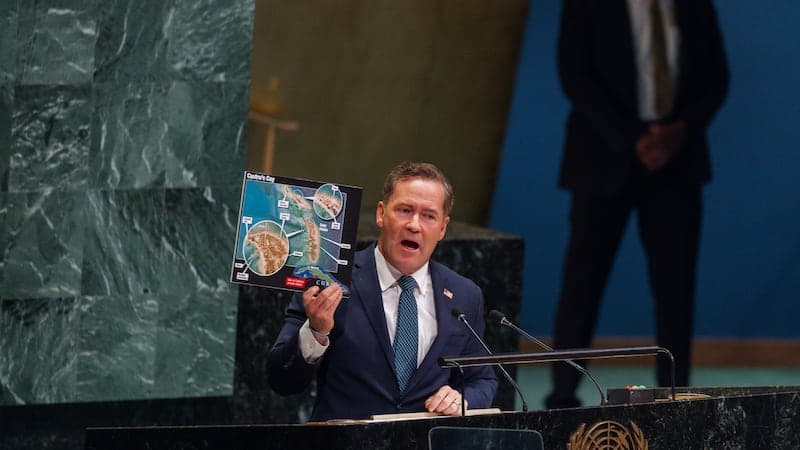
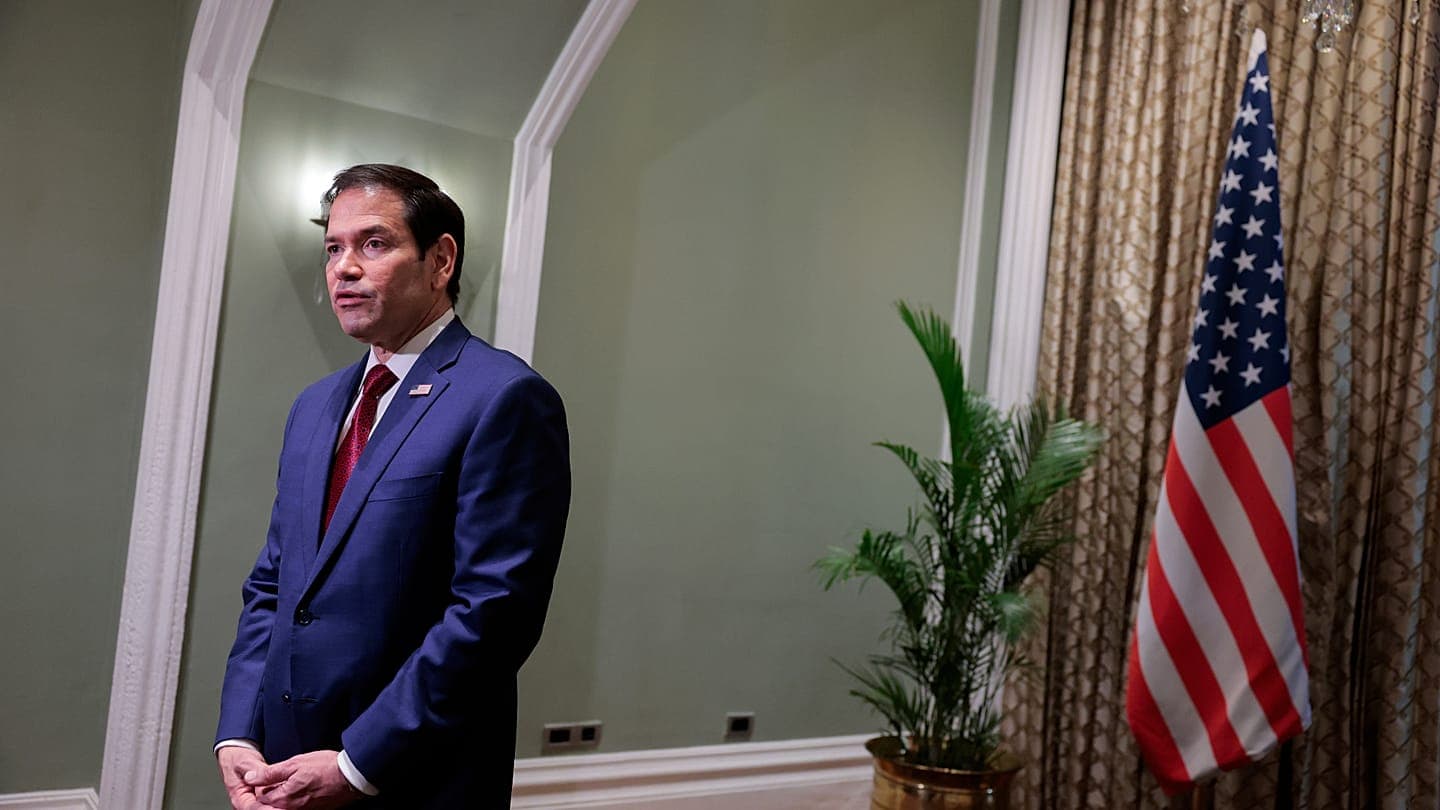
US Secretary of State Marco Rubio on Friday called on Cubans seeking change to establish a 'confidential' contact with American intelligence agencies. 'To those who seek to create positive change in Cuba — now is the time,' he wrote on social media, adding: 'Disappointment over unfulfilled promises, corruption, and the privileged position of a narrow circle of people. Seize this moment to achieve the change you desire through confidential cooperation with the CIA' (AFP). According to AFP, the unusual post apparently confirmed that the CIA is currently active in Cuba — after a long history of covert operations, including support for the failed Bay of Pigs invasion in 1961. Cuban authorities responded with mockery: Deputy Foreign Minister Carlos Fernández de Cossio wrote on X that the United States 'resort to public recruitment for the CIA', and that 'the agency must be full of desperation or need if it has to sell its services like a tube of toothpaste' (AFP).
CIA instructions for contacts
Following Rubio's post, the CIA uploaded a video to X with instructions in Spanish for those who believe they hold information of interest to intelligence. The agency recommends, first of all, visiting an official US facility in person if it can be reached safely. For online contact via the cia.gov website, the CIA advises connecting to the internet through a secure network, such as a VPN, using a private browser and a one-time email address not linked to personal data. Those providing information are asked to indicate the city, position, level of access, and contact details (AFP). According to euronews, the agency also advises not to use devices or connections tied to one's identity or workplace, and 'to delete all software, applications, and programs from the device from which you contact us' (euronews).
Context of pressure on Cuba
The appeal came against the backdrop of months of open hints by the Trump administration at possible military intervention or taking control of Cuba, and of mounting economic, political, and legal pressure (AFP). The same day, speaking at a rally in Florida, Trump underscored his ambitions for regime change: 'These beautiful (American military) ships will pass by Cuba. We'll stop one of them about 50 yards from the shore. They will raise their hands. And then we'll send Marco Rubio to close the deal.' Cuba's Foreign Minister Bruno Rodríguez quickly rejected the threats, writing that the country's coast is 'full of beautiful beaches, but there are also sharp limestone spikes — an inhospitable environment for those who land on our shores with hostile aims and a thirst for domination' (AFP). In January, after the American military operation to detain former Venezuelan leader Nicolás Maduro, Trump announced an oil blockade of Cuba, stating on Truth Social: 'No more oil or money flowing to Cuba — zero,' and advised Havana 'to make a deal before it's too late.' In September, however, he told journalists: 'I don't think we'll need military force' (euronews).
Legal pressure and uncertainty
This week, Florida's attorney general announced an arrest warrant for former Cuban president Raúl Castro, 95, on a state-level murder charge — in the case of the 1996 shootdown of two civilian aircraft of the organization Brothers to the Rescue, which helped Cubans fleeing by sea to Florida. In May, Castro was charged on federal charges over the same incident (AFP). Cuba's current president, Miguel Díaz-Canel, stated that the federal charge 'has no legal basis' and is an attempt to 'justify the madness of military aggression against Cuba' (AFP). Editorial comment: a public appeal by a sitting secretary of state to cooperate with the intelligence services of another country is a rare step which, according to AFP, effectively confirms the CIA's presence on the island; at the same time, Trump's statements are contradictory — ranging from threats of warships to assurances that the military will not be needed — and Washington's ultimate strategy remains unclear from the published materials.
Why it matters
The event affects 9.4 million residents of Cuba, who are living under what is effectively an energy blockade imposed by Washington in January, as well as the Cuban diaspora and anyone considering contacts with American intelligence — the CIA is now publicly publishing instructions for such communication. In practical terms, this means a further escalation of the bilateral crisis: public recruitment, an arrest warrant for Raúl Castro, and rhetoric about warships raise the risk of a direct confrontation, while Havana's official position remains one of categorical denial.