The key facts
- An electric blanket is one of the cheapest ways to warm up: 2–8 pence per hour in Which? tests
- An electric blanket is one of the cheapest ways to warm up: 2–8p per hour according to Which? tests
- Energy bills could rise by £276 a year in January — Cornwall Insight forecast
- 9.4% of households in England were living in fuel poverty in 2025
- 9.4% of households in England were in fuel poverty in 2025
A cold weekend and rising bills
The UK is bracing for a cold weekend: according to the BBC, parts of the country will be hit by strong winds and heavy rain. Amid rising energy prices, BBC News asked families and experts to share ways to keep a home warm without turning on the heating. At the same time, experts warn: older and vulnerable people should not sacrifice their health for the sake of saving money.
Tips for keeping the home warm
Recommendations include wearing several layers of clothing instead of one thick garment (advice from the British Heart Foundation), hot winter meals, a blanket under the mattress or under the sheet to block draughts, and a thick winter duvet (10.5 tog or higher), which sells for under £20 in supermarkets. NHS Scotland advises filling a hot water bottle with boiled water that has cooled for a few minutes, only two-thirds full, letting the air out, and never placing it directly against the skin. An electric blanket, according to Which? energy editor Emily Seymour, is 'one of the cheapest ways' to warm up: in Which? tests, running it at maximum power costs 2–8 pence per hour. The London Fire Brigade recommends switching the blanket off before going to sleep (unless it has a thermostat), never using it together with a hot water bottle, and replacing it every 10 years.
Insulation and sensible use of heating
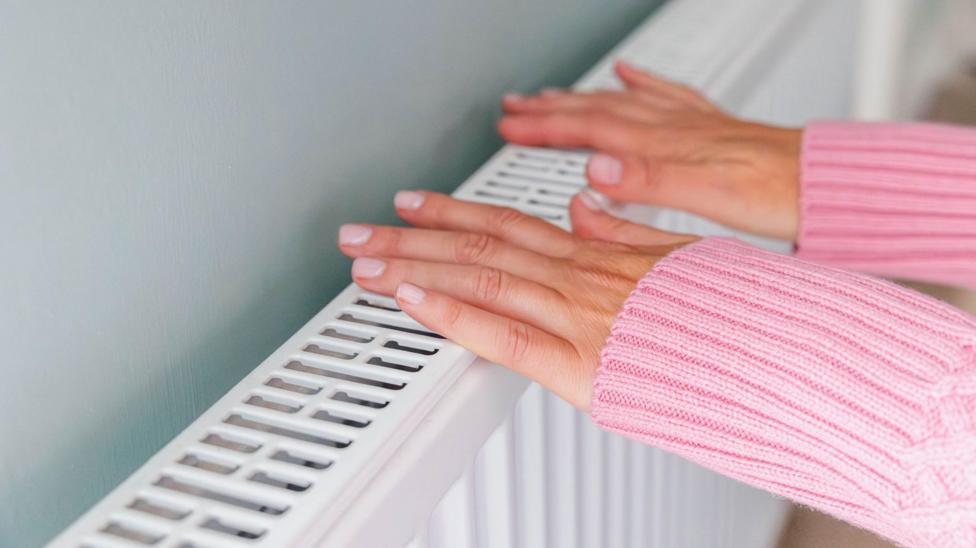
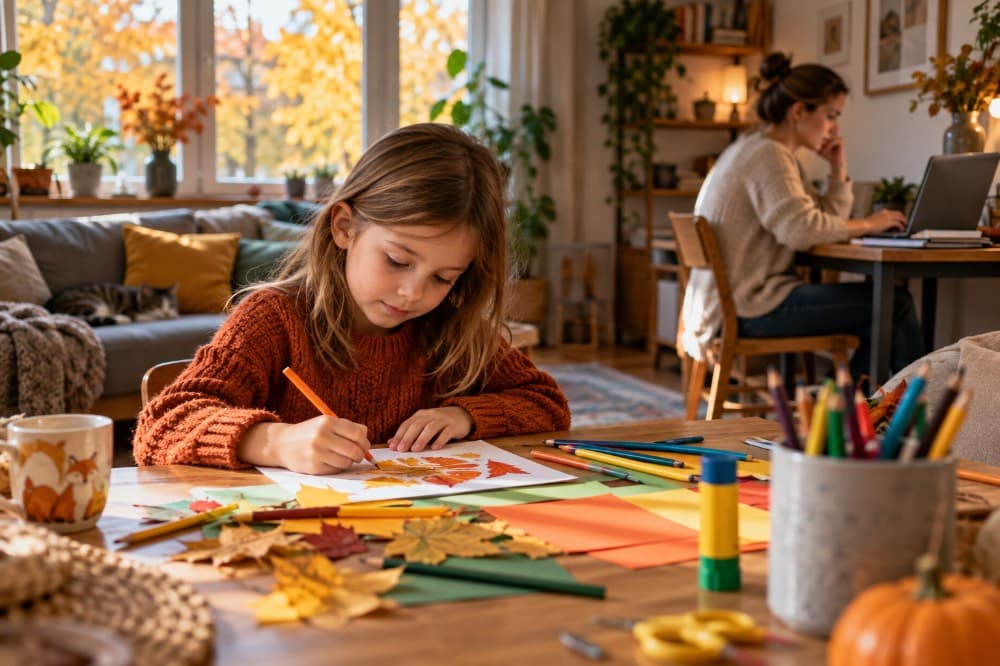
Experts advise opening curtains during the day so the sun warms the room and closing them at sunset, keeping doors closed, using draught excluders (including homemade ones — towels or socks in tights), and for single-glazed windows, secondary glazing, thermal curtains or bubble wrap. Seymour stresses, however, that windows should never be sealed completely — ventilation is needed to prevent damp. She recommends not switching the heating off entirely, because of health risks and the danger of frozen pipes; instead, it is worth bleeding the radiators, moving furniture away from them, using foil behind radiators (according to National Energy Action, about 35% of the heat from radiators is lost through the walls) and lowering the flow temperature of a combi boiler. Cora Harrison from Wakefield turns on the radiators only in the rooms she is using, while Elin Davis from South Wales notes that a wood-burning stove is more economical than central heating, although 'firewood is not cheap these days.' Free warm spaces — libraries and community centres — can be found online or through your local council.
Rising bills and fuel poverty
According to a forecast by the consultancy Cornwall Insight, in January energy bills will rise by an average of £276 a year — by 16%, which would be the largest increase in four years. According to the latest government data, in 2025 9.4% of households in England were living in fuel poverty. Rodney Winchester, 65, from Thetford, who was interviewed through the charity Christians Against Poverty, says he is 'extremely worried' about rising prices: due to health problems he has to keep the heating on all winter, cuts back on food spending and is constantly ill in cold weather. The debt charity StepChange recommends checking eligibility for support such as the Warm Home Discount and the Winter Fuel Payment and contacting your energy supplier to discuss an affordable payment plan.
Why it matters
The combination of a forecast record rise in bills — the largest in four years — and a high level of fuel poverty means that tips on saving heat matter most to families with children, people with health conditions and older people — groups that, according to Emily Jeremy, manager of the Manchester South Central food bank, are hit hardest by rising energy prices. The practical takeaway: check eligibility for the Warm Home Discount and the Winter Fuel Payment and contact your energy supplier before the January increase, and when using hot water bottles and electric blankets, follow safety rules so that saving money does not end in burns or a fire.
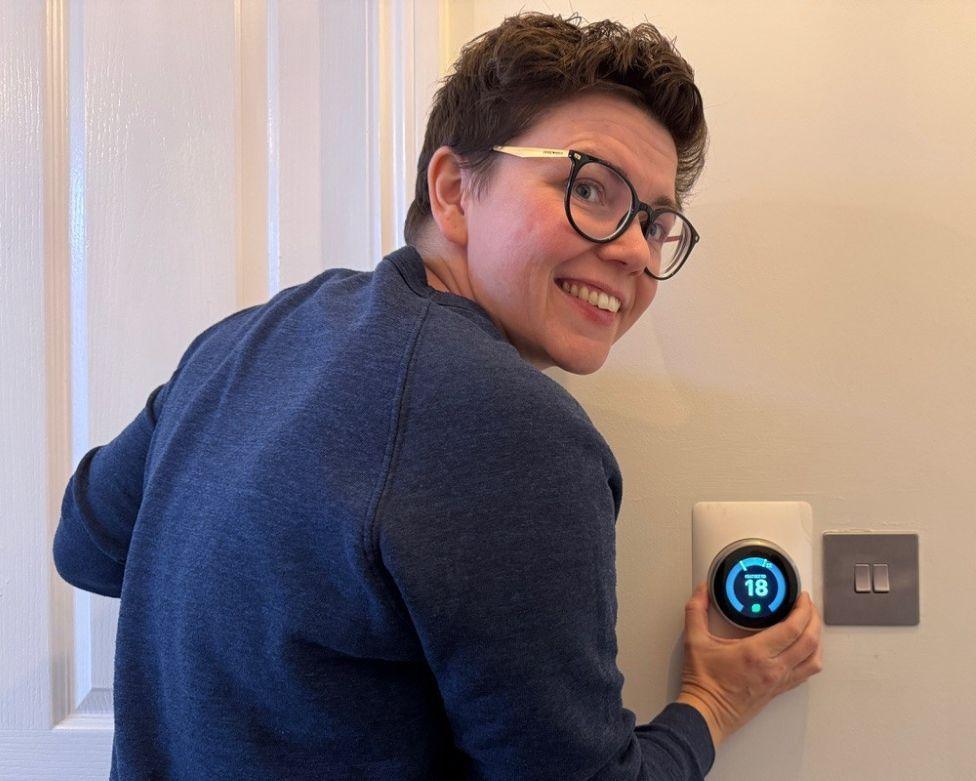 Image source, Cora Harrison
Cora Harrison says she saves money by only turning on heating in rooms her family is using
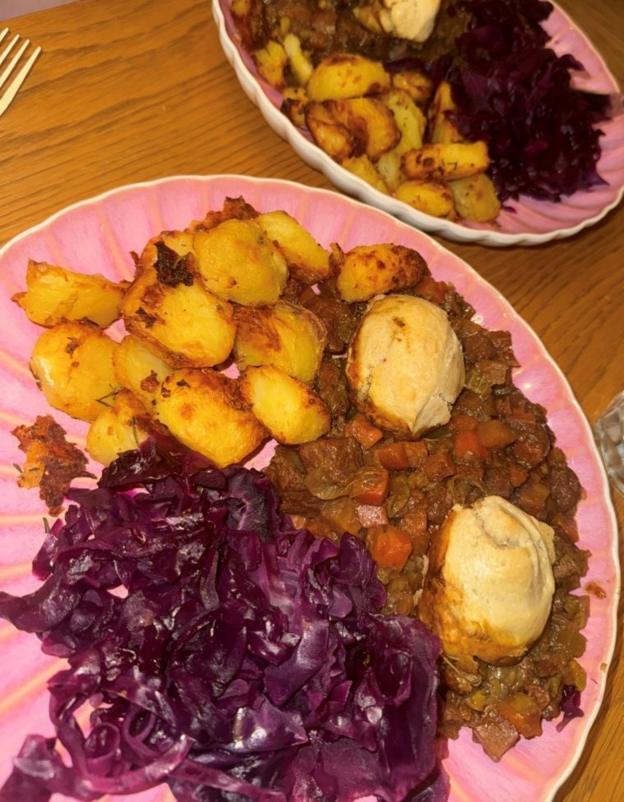 Image source, Amber Waring
Amber Waring turns to warming meals such as pasta bake, fish pie and stew
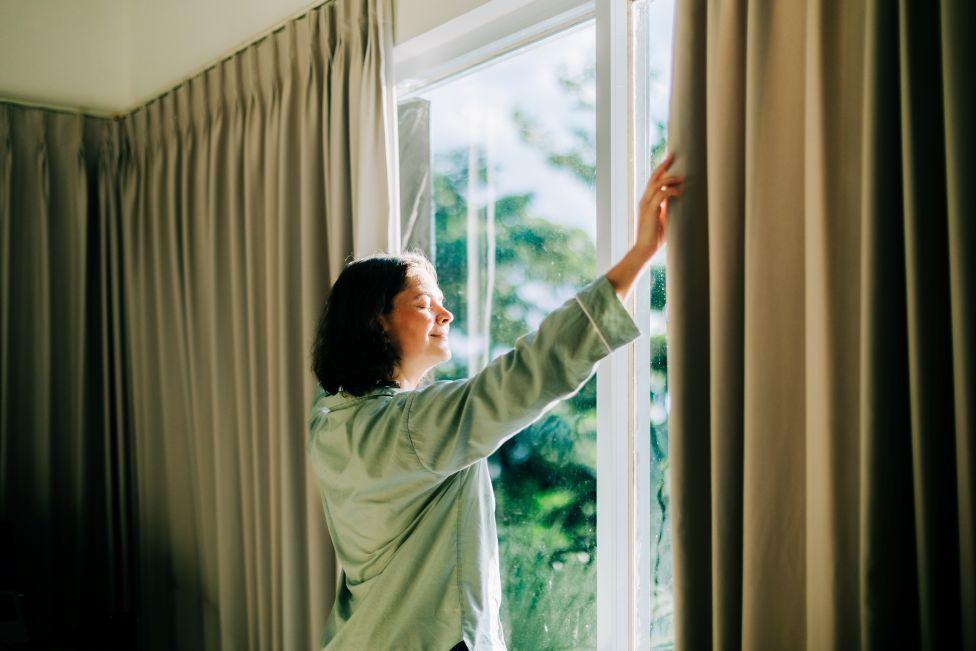 Image source, Olga Pankova/Getty Images
Sunlight can help keep rooms comfortable for longer before you need to switch the heating on
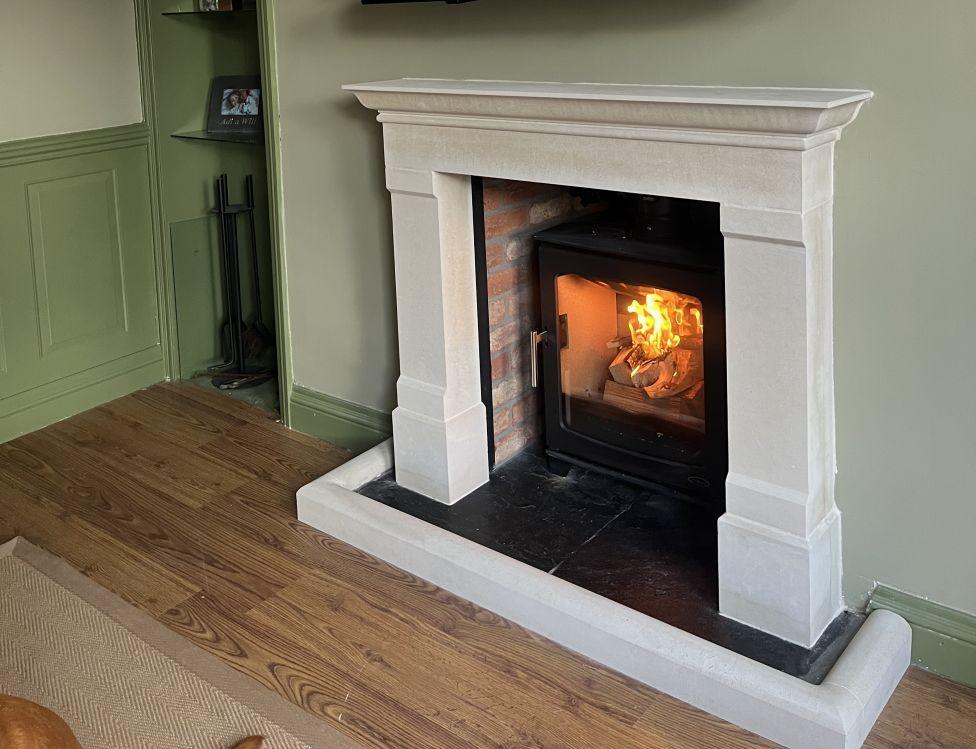 Image source, Elin Davis
Elin Davis fires up her log burner when it gets cold
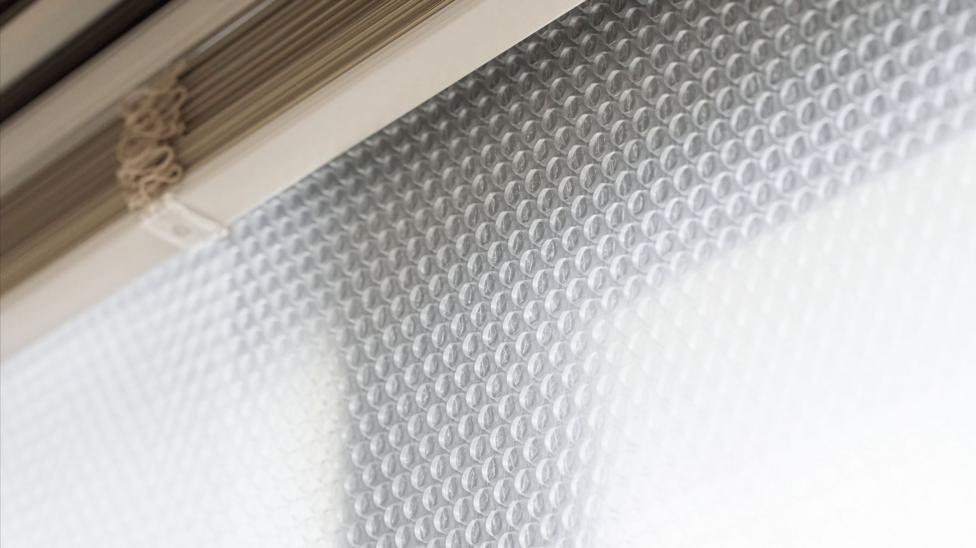 Image source, Getty Images
If you're after cheap insulation, especially if your window panes are single-glazed, then placing bubble wrap on them might help