The key facts
- Over the past 300 years giraffes have lost almost 90% of their natural habitat and have disappeared from at least seven African countries
- According to the IUCN, giraffe numbers have declined sharply since 1985 — in some regions by up to 40%
- The book includes works by Jonathan and Angela Scott, Marcel van Oosten, Frans Lanting, Greg du Toit and other photographers
A photo book about giraffes and the scale of their disappearance
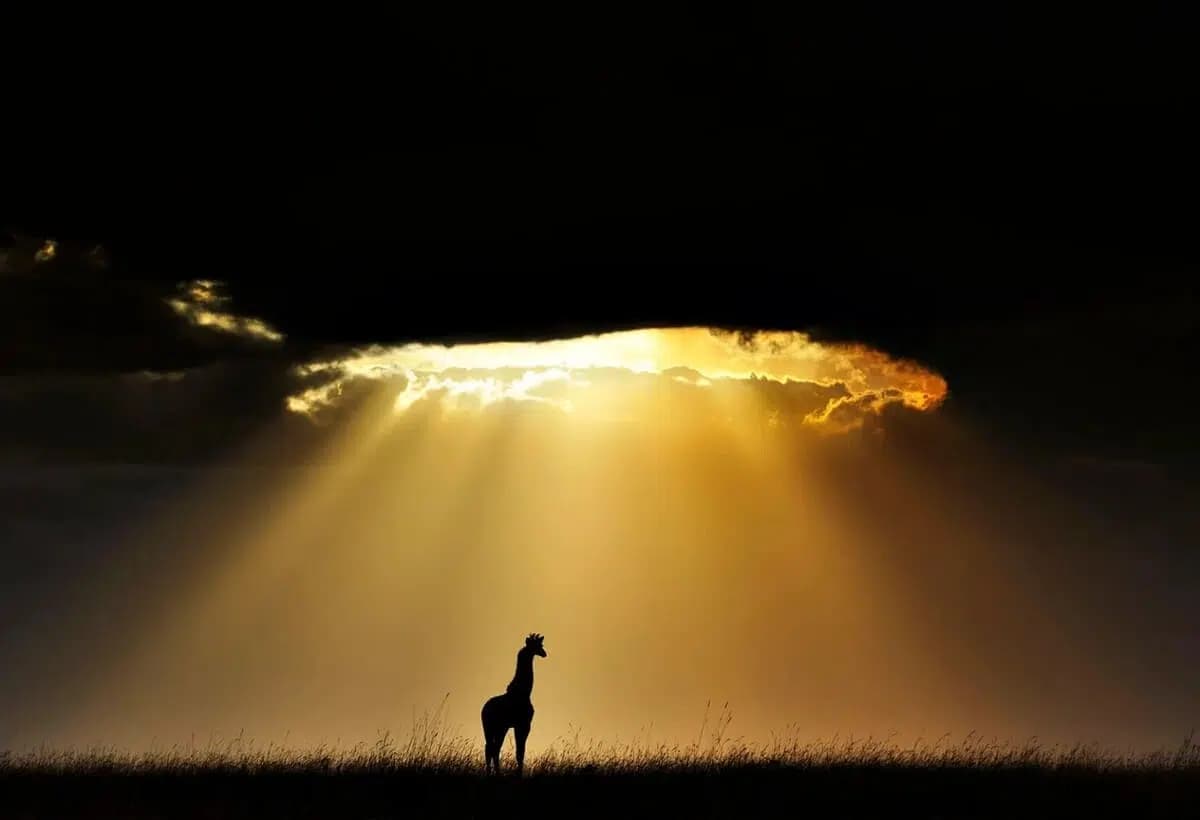
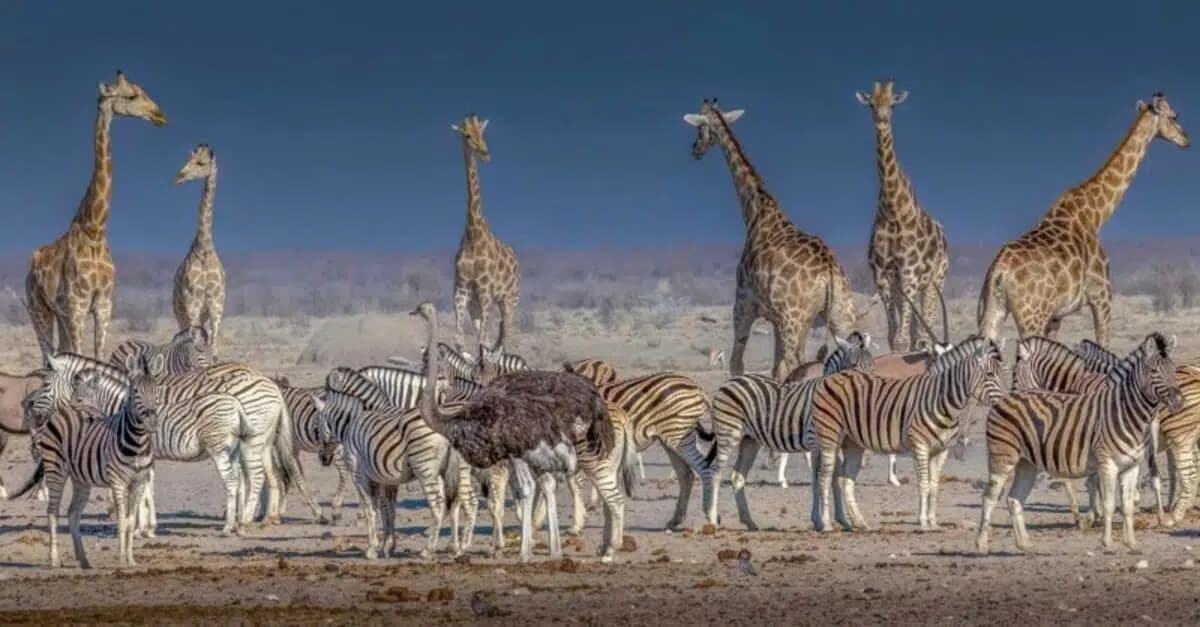
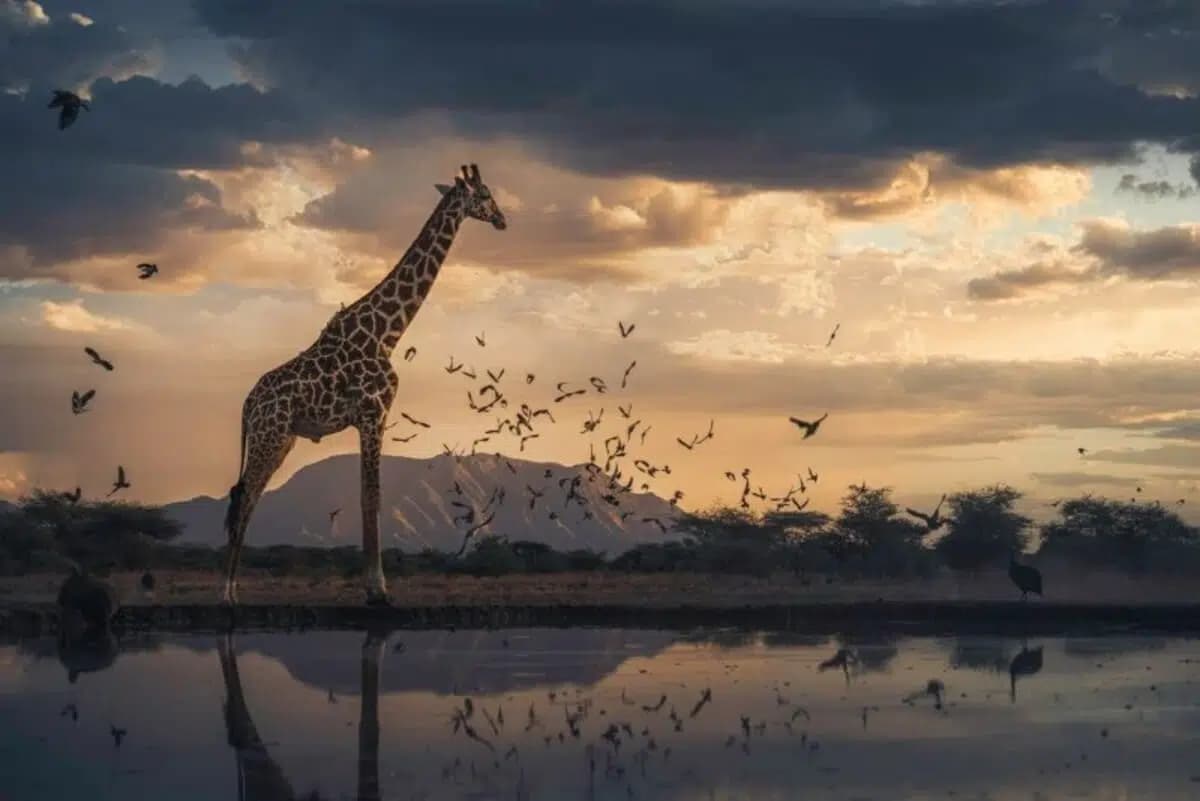
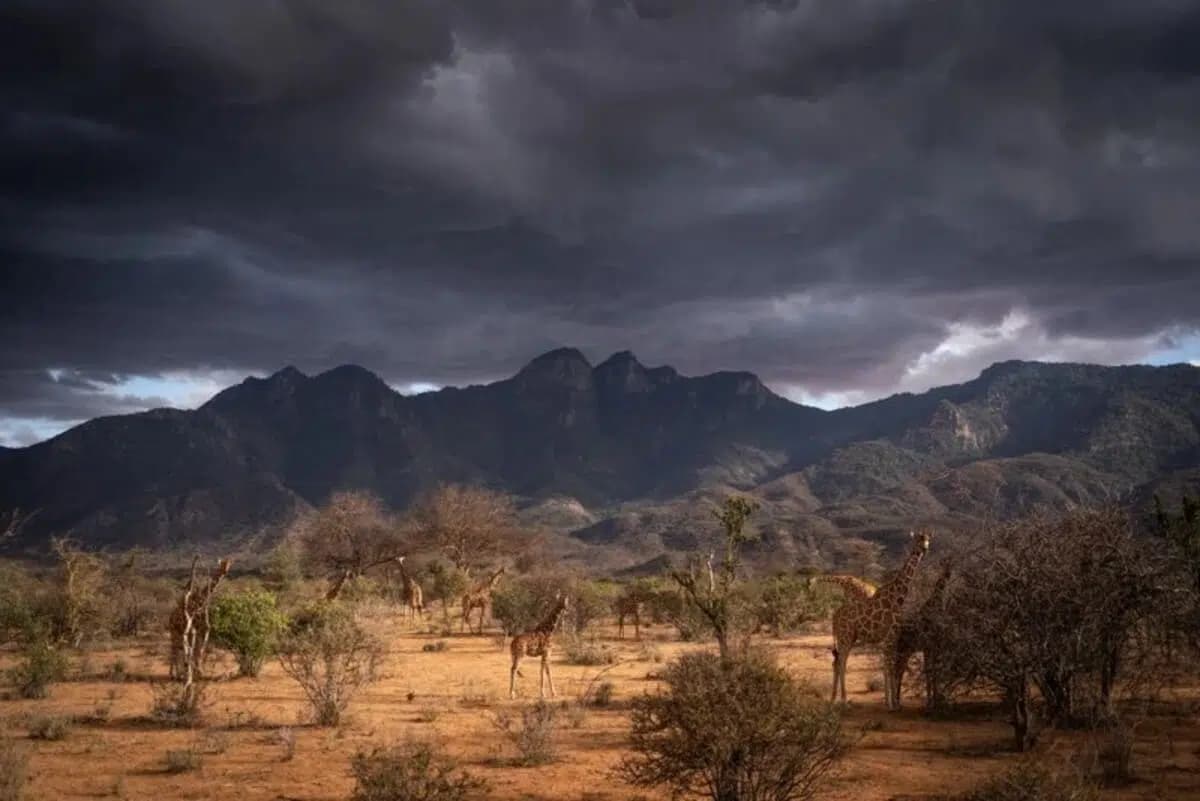
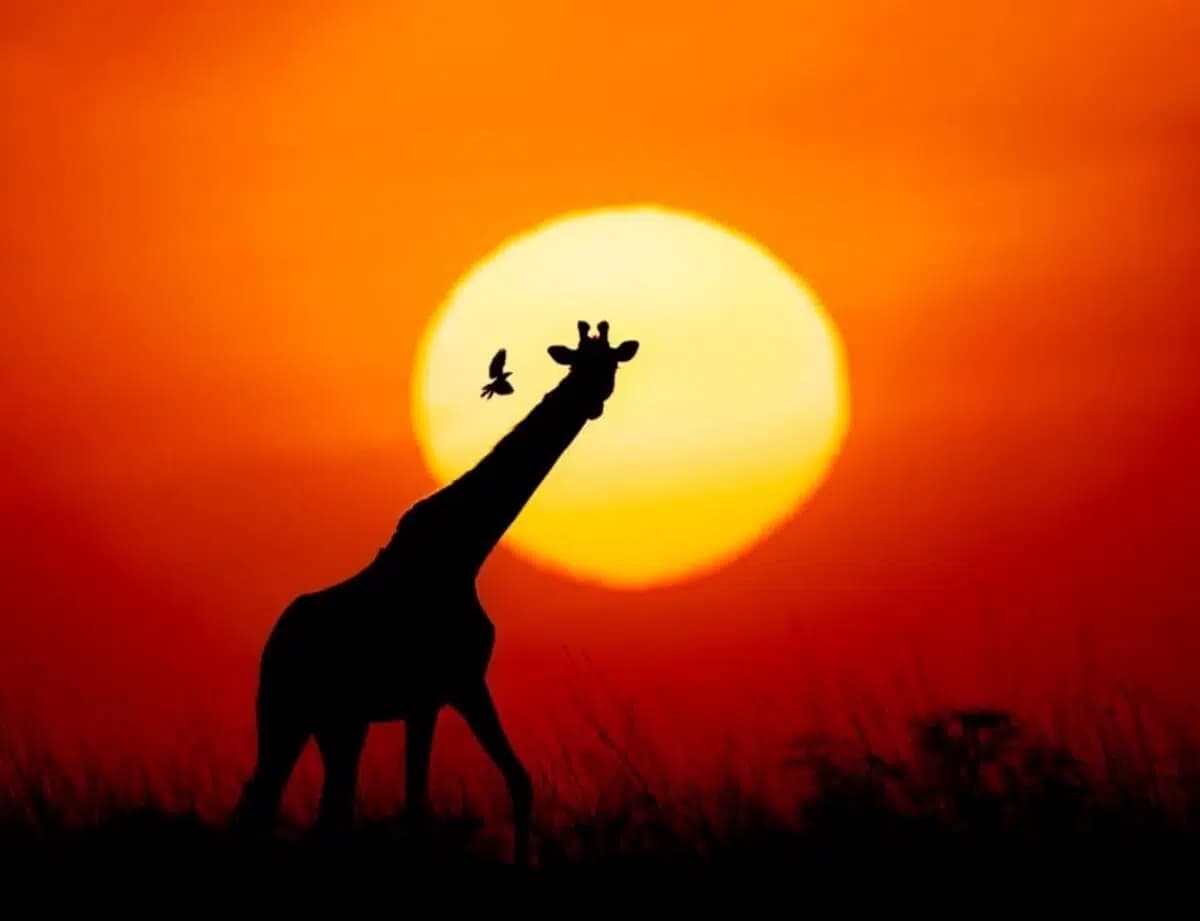
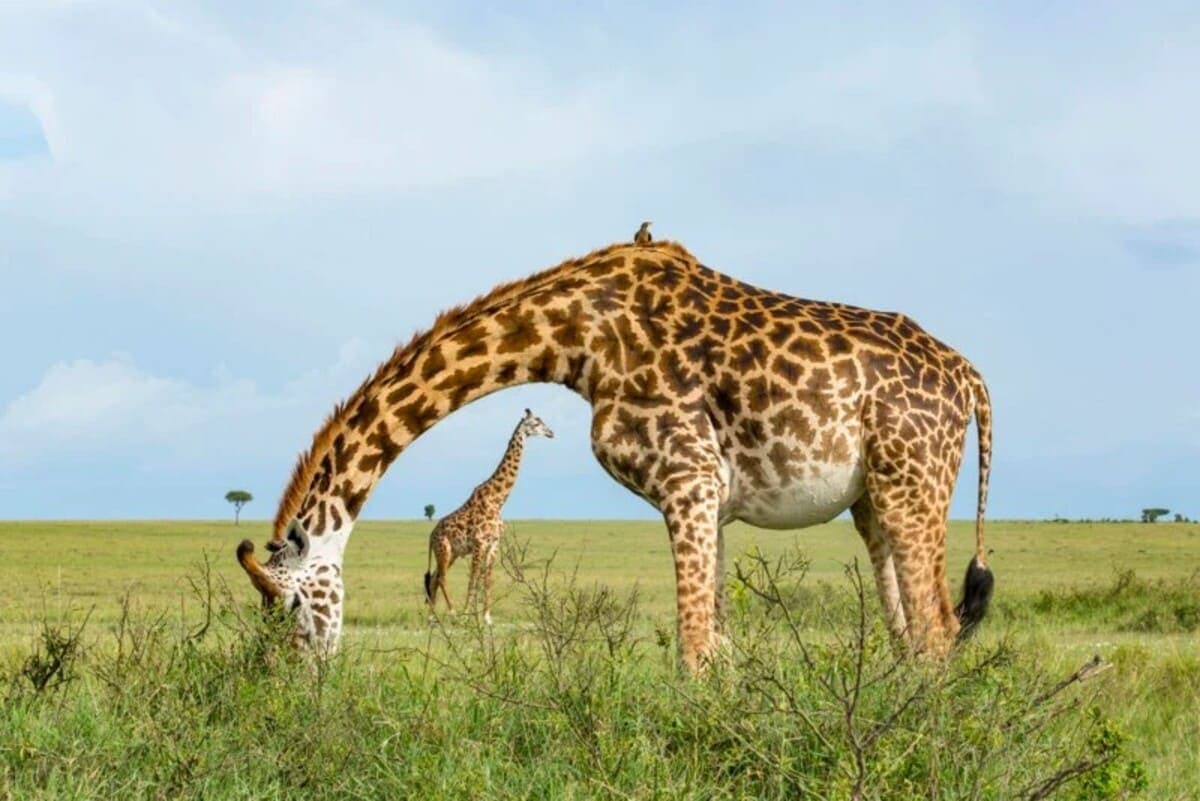
Photographers have released a new book dedicated to giraffes — the tallest mammals on the planet. The publication features works by Jonathan and Angela Scott, Marcel van Oosten, Frans Lanting, Greg du Toit and other renowned authors; the photographs capture the lives of these animals in the wild. Kun.uz reported this.
What is known about the population decline
According to the publication, over the past 300 years giraffes have lost almost 90% of their natural habitat, and they have disappeared entirely from at least seven African countries. Citing the International Union for Conservation of Nature (IUCN), the publication states that giraffe numbers have declined sharply since 1985: in some regions the decline has reached 40%.
Causes of the threat
In some regions giraffes have become a familiar part of the safari experience, and tourists see them as an integral symbol of the African landscape, yet elsewhere small isolated populations survive in a vulnerable state. The expansion of farmland, the construction of roads and fences, and the growth of settlements cut through the animals' natural movement routes, leaving them divided into small groups confined to separate territories. In addition, in some regions giraffes are still hunted for their meat, while elsewhere conservation efforts are complicated by armed conflicts and political instability.
Why this matters
The familiar image of the giraffe as an 'ever-present' symbol of Africa masks the species' real situation: according to the data cited in the book, the animals have already disappeared from at least seven countries and have lost about 90% of their habitat. This concerns everyone involved in conservation, tourism and land use in Africa, since it is precisely the expansion of economic activity and infrastructure that, according to the publication, fragments populations. The practical implication of these facts is the need to take giraffe movement routes into account when developing territories and to maintain protective measures in regions where poaching and instability threaten them.