The key facts
- AstraZeneca is investing about $50 million in clinical research in Abu Dhabi in partnership with Cleveland Clinic Abu Dhabi
- About 30 studies on cardiovascular, kidney and metabolic diseases are planned; the first is due before the end of the year
- A separate program with Oracle and M42 in Abu Dhabi will focus on hypertension using AI and real-world data
A $50 million partnership
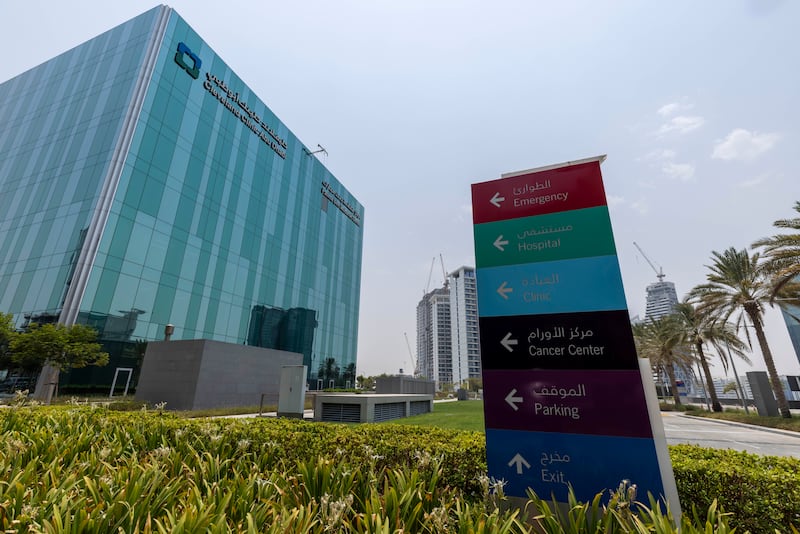
The British-Swedish biopharmaceutical company AstraZeneca will invest about $50 million in conducting dozens of clinical studies in Abu Dhabi as part of a long-term partnership with Cleveland Clinic Abu Dhabi, The National reports. The first studies are planned to begin before the end of this year. In total, about 30 studies focused on the treatment of cardiovascular, kidney and metabolic diseases will take place in the emirate over the coming years. According to the UAE Ministry of Health and Prevention, cardiovascular diseases account for 34% of all deaths in the country.
Company comments
“The investment will amount to about $50 million over the next few years. We have already completed the feasibility assessment for six studies and plan to start the first one before the end of this year,” Iskra Reic, AstraZeneca’s international executive vice president, told The National on the sidelines of the Abu Dhabi Future Health Summit. The initiative is supported by the Abu Dhabi Department of Health. According to her, expanding research will make it possible to include more local patients in global clinical trials, broaden the collection of data relevant to the local population and healthcare system, and integrate local researchers and physicians into the global research network.
Oracle program on hypertension
At the same time, AstraZeneca announced a global collaboration with Oracle. Its first program, which will take place in Abu Dhabi, will focus on the treatment of hypertension and clinical research together with M42: using AI and real-world data, the plan is to study earlier diagnosis, patient recruitment for studies, and safety monitoring. Reic explained that if early diagnosis of hypertension proves successful, patients at risk of developing it could be identified much earlier and treatment could begin sooner. She added that the UAE is well suited for such partnerships thanks to well-connected medical records, genomic data on Emiratis, responsive regulators, and a developed research network.
Context and significance
The partnership continues a series of Abu Dhabi medical initiatives: it was previously reported that a robotic procedure for diagnosing lung cancer was performed at Cleveland Clinic Abu Dhabi, and that a clinical trial in the emirate is planned for a drug aimed at preventing Alzheimer’s disease. For patients and the emirate’s healthcare system, the practical outcome will be the participation of local patients in global cardiometabolic trials — an area that, according to the ministry, accounts for a third of deaths in the country — as well as potentially earlier detection of hypertension if the Oracle program is successfully implemented. Reic emphasized that no single organization can transform a healthcare system on its own, and collaboration among companies, governments, hospitals and research organizations is essential.