The key facts
- Warhound raised $200 million from In-Q-Tel, Sequoia and 8VC at a $1.2 billion valuation
- More than 80% of the US Army's working dogs are imported from Europe, and fewer than half are fit for service
- The first cloned dogs are expected early next year, with entry into service within two years
Stealth exit and funding
The startup Warhound, created to genetically engineer working dogs for the US military, law enforcement and emergency services, has emerged from stealth. The company raised $200 million from investors including In-Q-Tel, Sequoia and 8VC, at a valuation of $1.2 billion. The idea came from Ben Lamm, founder of Colossal Biosciences, and Anduril co-founder Palmer Luckey.
The working dog supply problem
According to the company, more than 80% of working dogs used by the US Army come from Europe, and fewer than half of them are fit for service. This makes the US increasingly dependent on foreign supplies. Lamm told TechCrunch that he met Luckey about a year ago at a conference, where Luckey raised the topic of working dogs. Many dogs fail training due to genetic predisposition to problems: poor vision, cancer, hip dysplasia, muscular atrophy.
The technological approach
Lamm's team took cell lines from the best working breeds — the Belgian Malinois and the German Shepherd — and placed them in a biobank. Gene editing is planned next: adding genes that improve working qualities and removing undesirable ones, in order to create 'a new type of dog.' Lamm believes dogs can be improved in health, lifespan, speed, agility and sense of smell for detecting explosives.
Anduril's role
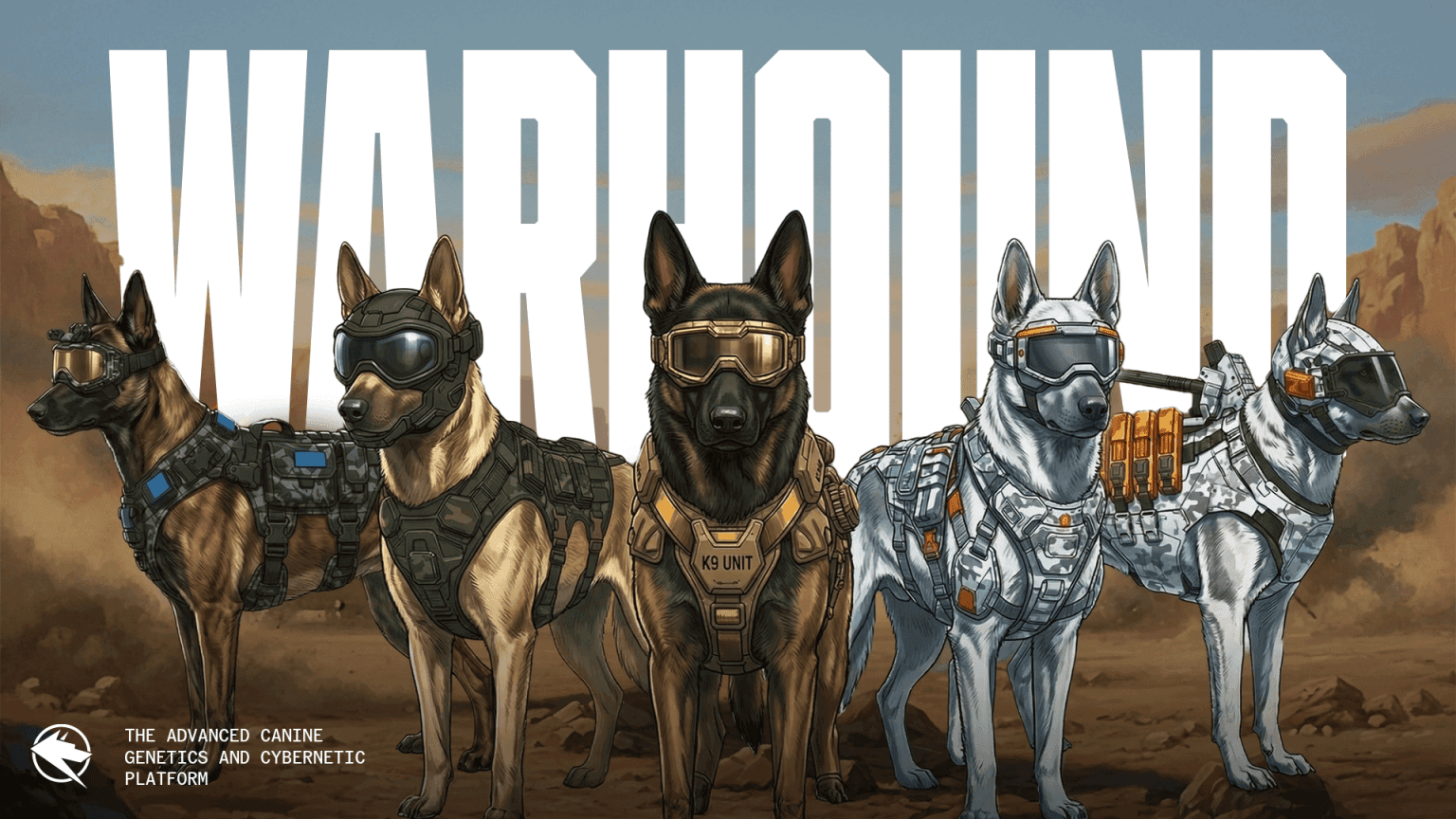
Anduril will provide software and hardware enhancements, such as protective vests and goggles for dogs, helping them and their handlers with situational awareness and coordination. Lamm suggested imagining body armor with sensors transmitting data to handlers. According to him, Anduril's enhancements are aimed at the dogs' safety and health 'on top of the dog, not inside the dog.' Luckey does not own a stake in the company and acts only as a partner; Colossal holds a stake and supports the business by licensing its technologies.
Cloning and timeline
The first batch of dogs is being prepared for cloning and incubation; birth is expected early next year, with entry into service ideally within two years. Viagen, another company owned by Colossal, is involved in the cloning: its technology, according to Lamm, has a high success rate and is already used in an endangered species protection program.
Customers, regulation and safety
The price of the dogs has not yet been determined. Expected buyers include emergency services, the US Department of Defense, military units and police. Lamm said the company has held briefings for many government agencies. As for civilian safety, he noted that the dogs will be trained like ordinary military working dogs and remain under the buyer's control. The company is working under the guidance of the American Humane Society on certification of the training program, and retired dogs are planned to be placed in the Society's military dog rehoming program, which provides them with a home.