The key facts
- Investment in the Wosune Food Ingredients Karshi plant is planned to be increased from $8.5 to $50 million in two stages.
- The plant processes up to 310 tons of raw material per day, 150 jobs have been created, and about 30% of processes are robotized.
- Data on turnover and exports diverge: the investor calls $40 million turnover, the presidential press service — planned exports.
Plant expansion plans in Kashkadarya
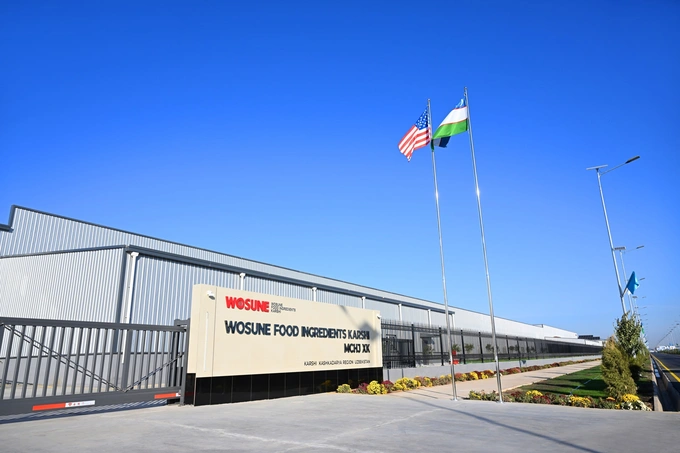
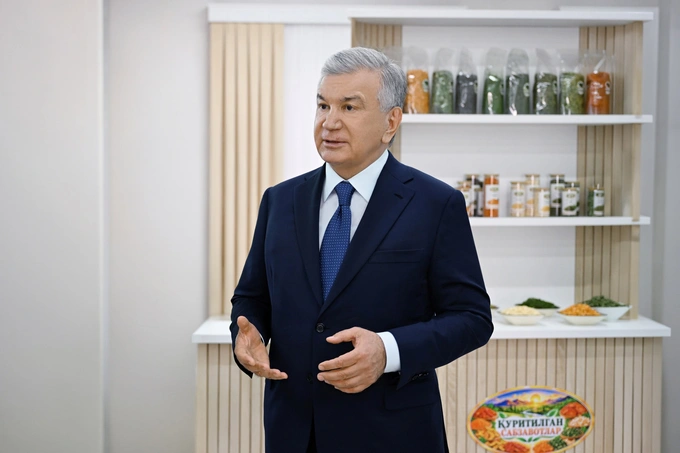
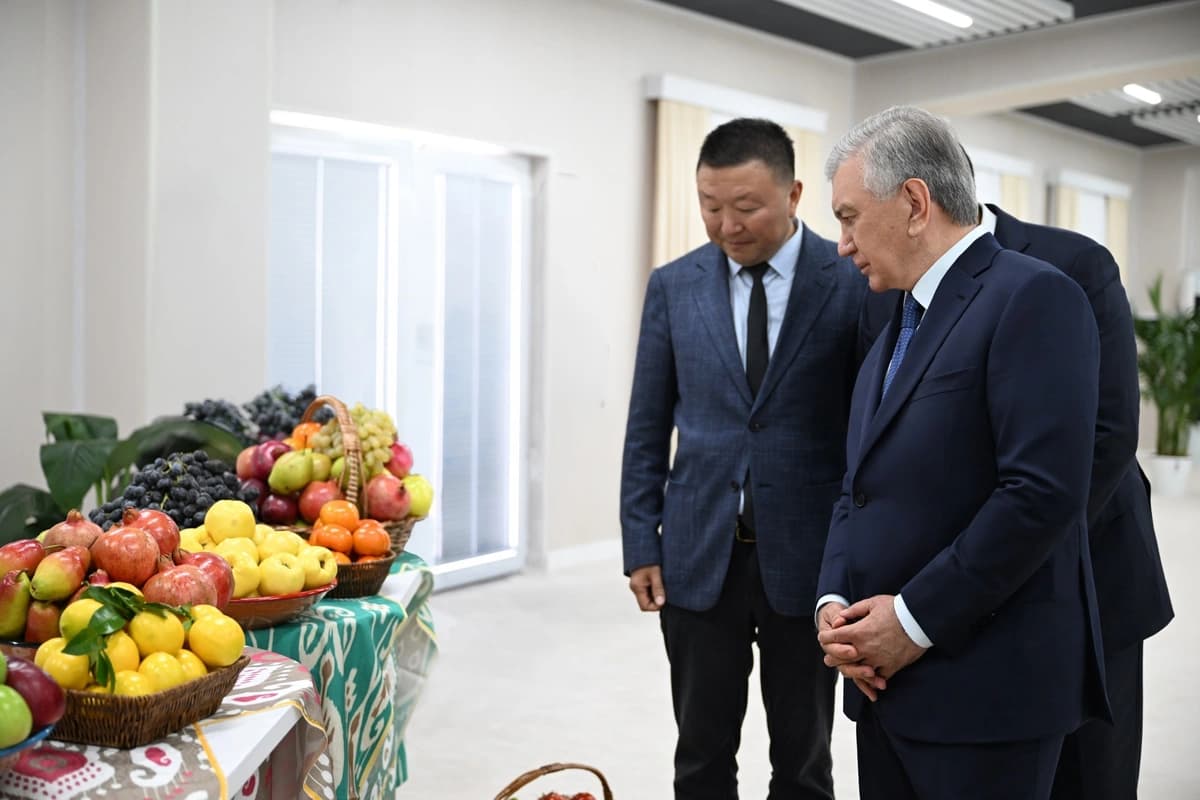
The American company Wosune International intends to increase its investment in fruit and vegetable processing in Kashkadarya region to $50 million. A company representative announced this on October 21 during President Shavkat Mirziyoyev's visit to the Wosune Food Ingredients Karshi enterprise in the Kashkadarya free economic zone; details were also given in the Akhborot 24 program. The initial investment in the enterprise, which produces ingredients for the food industry, amounted to $8.5 million. According to the investor, the project provides for two stages with a total investment of $50 million.
Production and products
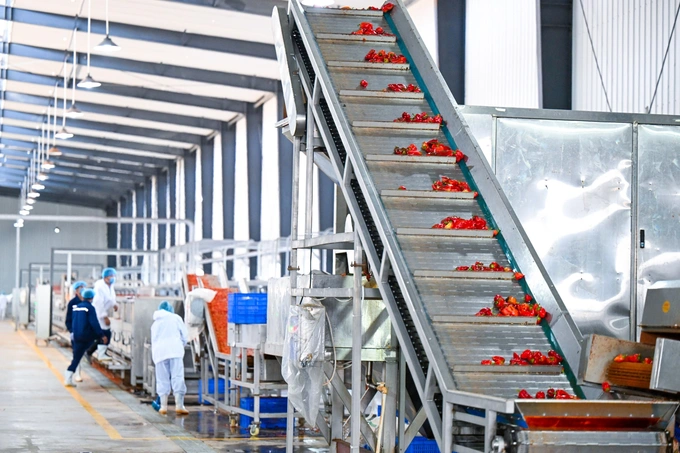
The plant produces products meeting international market requirements by dehydrating vegetables, intended for supplies to the USA, Indonesia and European countries, including to companies such as Nestlé and Mars. Carrots, bell peppers, pumpkin, apples, green onions, spinach and various types of herbs are processed; the ingredients are used in the production of instant noodles and soups, spices, canned goods and cosmetic products. Convection equipment is used that preserves the taste and nutritional properties of the products. About 30% of production processes are robotized, and 150 permanent jobs have been created.
Discrepancies in export estimates
After reaching full capacity, the plant will be able to process up to 310 tons of raw material per day. According to the investor's estimate, annual turnover will reach $40 million, but in the presidential press service's report this figure is given as the planned export volume. Among the prospective buyers, the press service names Nestlé and Purina; the existence of signed contracts and the volumes of agreed supplies are not specified. The TV report stated that the enterprise's initial export target is $20 million, with supplies planned to increase to $45 million by 2029.
Logistics and current exports
The company representative named three reasons for choosing Uzbekistan: economic reforms, geographical location, and the agricultural potential of Kashkadarya region. According to him, products can be delivered to the port of Hamburg in less than two weeks, and via Istanbul the company can access other markets. According to the presidential press service, the enterprise already exports products to Russia, European countries and the CIS.
Cooperation with farmers and presidential instructions
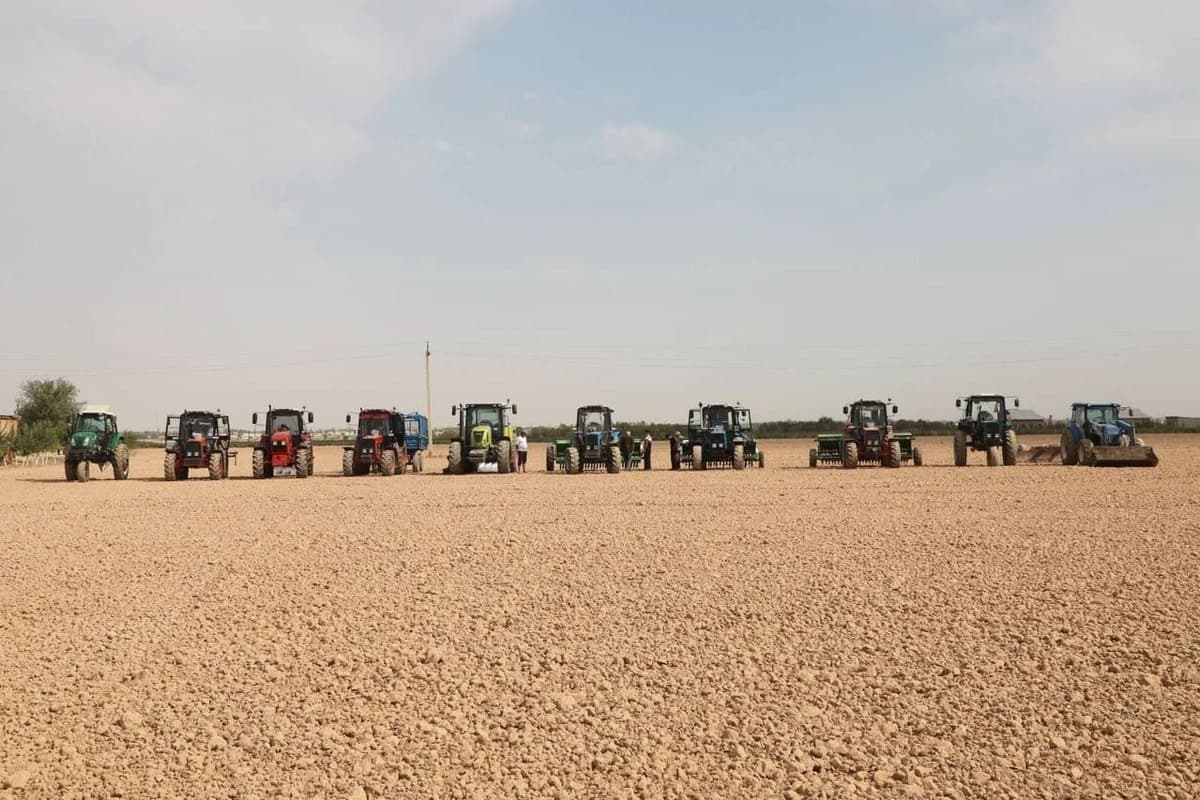
Azizbek Urunov, Chairman of the Food Safety Committee, noted that the processing production will give farmers additional income, including from products that could not be sold on the regular market, will create jobs and allow exporting finished products to the USA, Europe and Southeast Asian countries, including Singapore, Indonesia and Vietnam. According to him, the region exports agricultural products worth about $130 million, and similar projects across the country could provide an additional $200 million in exports. Mirziyoyev instructed to work out the use of 30,000 hectares of land for growing export agricultural products: the khokimiyats must identify plots and prepare proposals for their development together with processing enterprises. The president also noted the need for direct contracts with farmers, advance payments and conditions for two or three harvests per year; issues of water supply, pumping equipment and alternative energy sources were also discussed separately. The decision must be prepared within a month; the enterprise was also instructed to consider possibilities for further production expansion. The official press service report states that, to supply the plant with raw materials, the cultivation of fruit and vegetable products on 3,500 hectares is envisaged.