The key facts
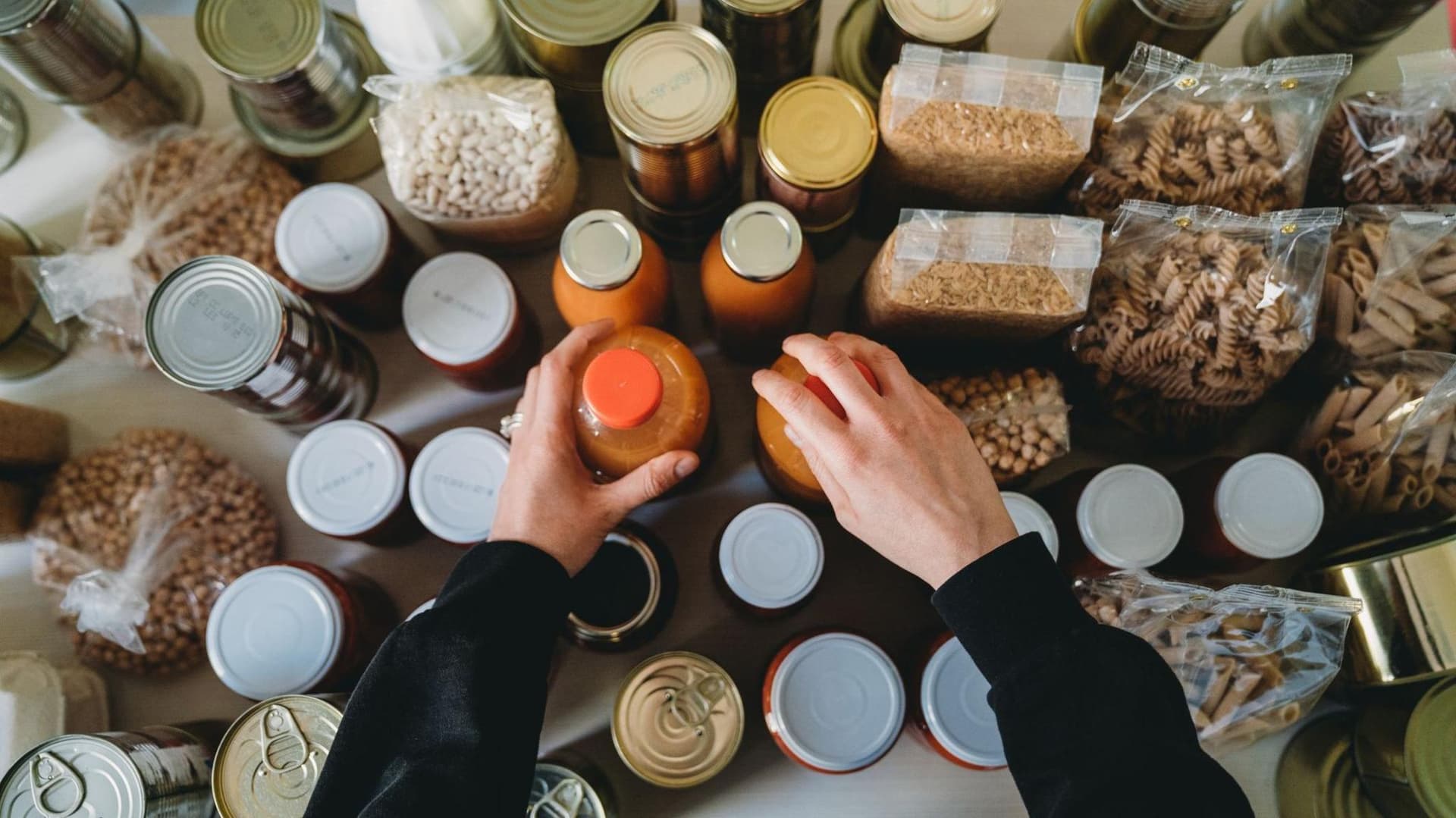
- The 'Be Ready' campaign recommends a three-day supply of food, water, a torch, wet wipes and cash
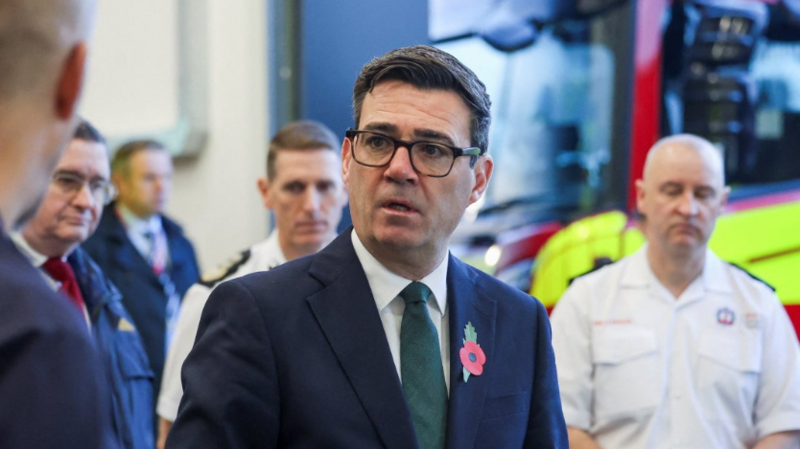
- Mayor Andy Burnham and Defence Secretary Wes Streeting highlighted the growing number of unforeseen events and cyber threats
- Expert Lucy Easthope: the UK lags 'light years' behind Scandinavia, France and Germany in emergency preparedness
What the Government Advises
As part of its new 'Be Ready' campaign, launched on Thursday, the UK Government recommends that all households keep a three-day supply of food and bottled water, as well as wet wipes, a torch and cash. People taking medication are advised to keep an extra supply of their medicines. According to disaster planning expert Professor Lucy Easthope, the aim is to make the work of emergency services easier during a national emergency: for example, if a person has an extra 48 hours' worth of medication, rescuers will not have to urgently find an on-duty pharmacist.
Politicians' Reaction
Mayor Andy Burnham said on Friday that unforeseen events 'seem to be increasingly frequent' and that everyone should have 'supplies at home to get through such moments'. Defence Secretary Wes Streeting explained that the recommendations — similar to the guidance of the previous government — were not prompted by any 'specific intelligence', but are aimed at strengthening 'national resilience' in general. The announcement emphasised extreme weather events, which are becoming more frequent due to human-caused climate change; Streeting also mentioned 'increasingly sophisticated cyberattacks' on businesses and supply chain disruptions caused by 'hostile state actors or terrorists'.
Citizens' Opinions
Some residents have already prepared: Bridget Clamp from Cornwall told Radio 5 Live that she had stockpiled 'lots of tinned food', as well as flour, yeast and everything for baking bread; after Storm Éowyn earlier this year she bought generators and water pumps. Others were sceptical: one woman, speaking anonymously, bought a 'pile' of emergency food but ate it ahead of time, and wondered whether this was a form of 'scaremongering' by the government. Rob, who lives off-grid in North Wales, said he has so many supplies that he 'wouldn't even notice' a catastrophe, but he too felt there was 'a bit of scaremongering'. Paul from Teignmouth, Devon, asked: 'Who actually keeps a three-day supply of water?' and added that, in his view, responsibility had been shifted onto citizens.
Comparison with Other Countries
Professor Easthope said the UK lags behind its neighbours 'by light years': Scandinavia — Denmark, Sweden, Norway — 'has been good at this for years'. France advises keeping a 72-hour food supply, Germany a 10-day one. According to her, campaigns like 'think 72 hours' in the US, Australia and 'across Europe' have a big effect, whereas in the UK disaster messages are often mocked and governments are accused of 'whipping up panic'. She had lobbied for the launch of such a campaign for 'about 16 years' and suggested that this advice may have been released 'hurriedly' ahead of Storm Aiden hitting the UK. At the same time, she noted, 'the pendulum has swung': more and more people recognise the problem, and the country is playing 'a massive game of catch-up' in disaster preparedness.
 Image source, AFP via Getty Images
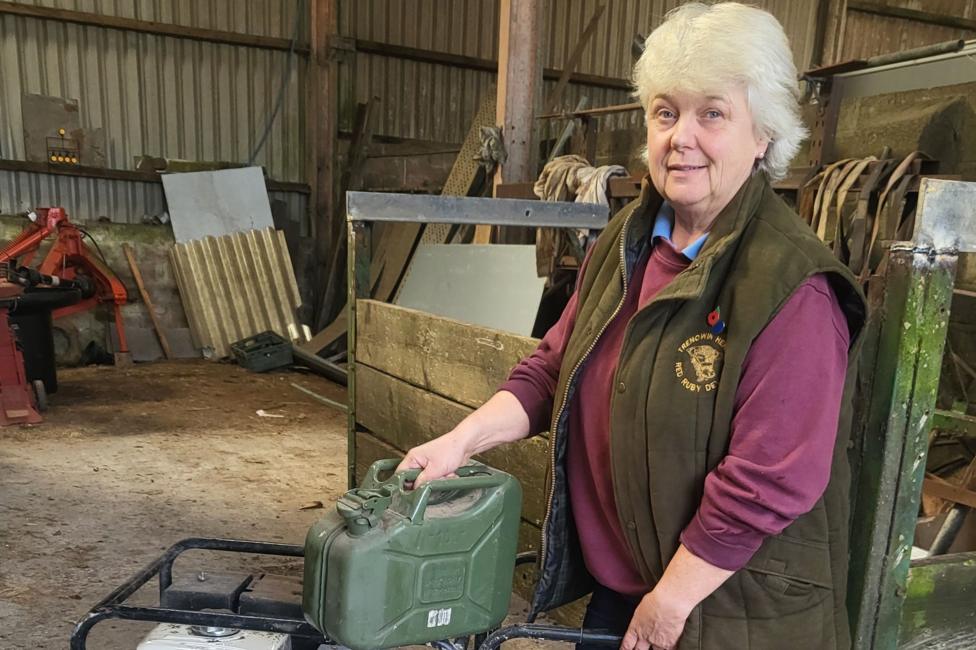 Image source, Bridgette Clamp
Bridgette says she also bought generators and water pumps following Storm Goretti earlier this year
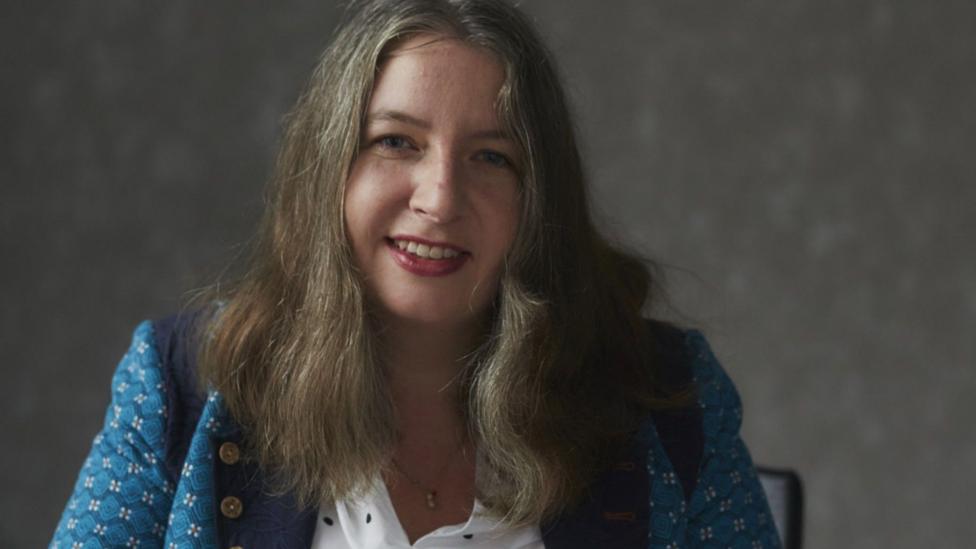 Image source, Lucy Eastman
Expert Prof Lucy Easthope says the UK is playing