The key facts
- The Intismeran vaccine (MSD and Moderna), based on mRNA, is created individually from each patient's tumor data
- The risk of death or recurrence was reduced by 42%, and the risk of melanoma spread by 38% over two years
- The results have not yet been peer-reviewed; experts urge caution
Major trial shows reduced risk of recurrence
A personalized anti-cancer vaccine administered alongside a widely used immunotherapy drug reduced the risk of death or melanoma recurrence by 42% in a large clinical study, BBC News reports. The trial covered more than 1,100 patients and also showed that the drug combination reduced the risk of melanoma spreading by 38% over two years. Researchers say the results could be a turning point in cancer treatment and bring personalized medicine closer.
How the vaccine works
The approach is intended for patients whose tumor has already been surgically removed. In the study, 1,137 adults received Keytruda — an established immunotherapy drug that helps the immune system find and attack cancer cells. About two-thirds of participants also received the experimental vaccine, while the rest received a placebo. The vaccine, called Intismeran, uses the same mRNA technology as some Covid vaccines. It is created individually for each patient based on data from their own tumor, in order to teach the immune system to recognize cancer cells and attack them if the disease returns. Two years after the start of treatment, melanoma returned or spread through the body significantly less often among those who received the vaccine.
Views of doctors and patients
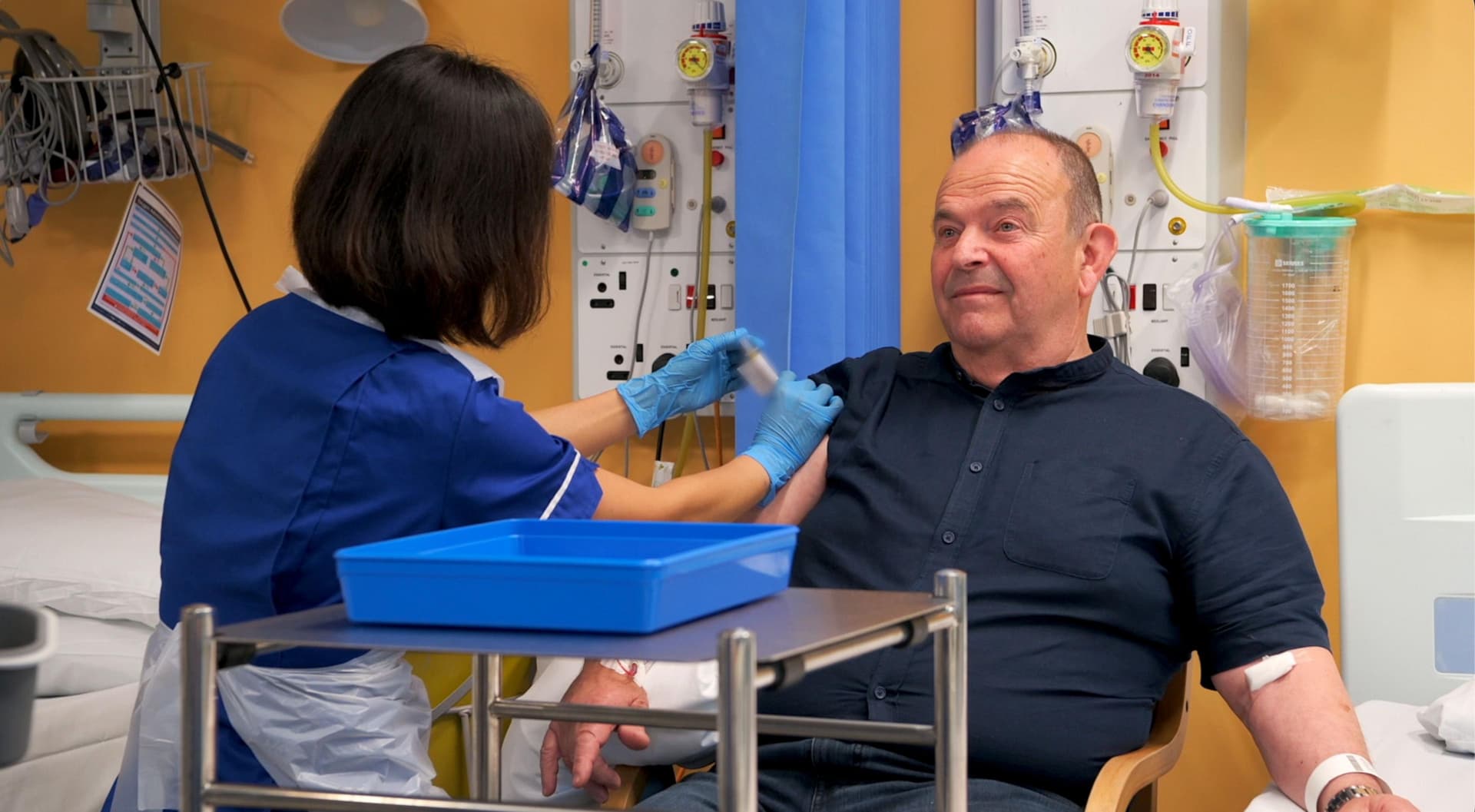
“Personalization is the next step, and it is really exciting, it is a magnificent technology,” said Professor Pippa Corrie, a consultant oncologist who took part in conducting part of the study at Addenbrooke's Hospital in Cambridge. According to her, this trial became the first proof of principle. Among the participants was 75-year-old Tony Chapman from Corby, whose melanoma was diagnosed in 2019. After removal of a tumor on his chest, a lump appeared under his arm, and a second operation was required. He signed up for the study but, like all participants, does not know whether he received the vaccine or the placebo. Three years on, he remains cancer-free and has check-ups every six months.
Market reaction and registration plans
Shares of MSD (known as Merck in the US) and Moderna rose sharply after the companies hinted at the vaccine's success in the summer. However, on Thursday investors began selling the shares after analysts noted that the results were not as strong as in the previous, significantly smaller study. Both companies stated that they are “engaging with regulators,” which suggests a filing for approval could come as early as next year. Widespread use in the NHS will also depend on cost: each patient will require genetic analysis of the tumor and manufacture of a personalized vaccine.
Experts' caution and next steps
Independent oncologists called the results impressive but emphasized the need for longer studies to establish whether the treatment actually extends patients' lives on average. Professor Alan Melcher from the Institute of Cancer Research in London, who was not involved in the work, called the results “highly impressive”: “This is an important proof of principle for the field, although we should not get ahead of the data. One melanoma trial alone cannot be assumed to mean the same approach will work for all types of cancer, and longer follow-up will be important for understanding the impact on overall survival.” According to the manufacturers, the same approach is already being tested against other tumors, including kidney, bladder and lung cancer. The trial will continue to monitor patients. Full results will be presented on Saturday at an oncology conference in Madrid; they have not yet been published in a peer-reviewed medical journal.
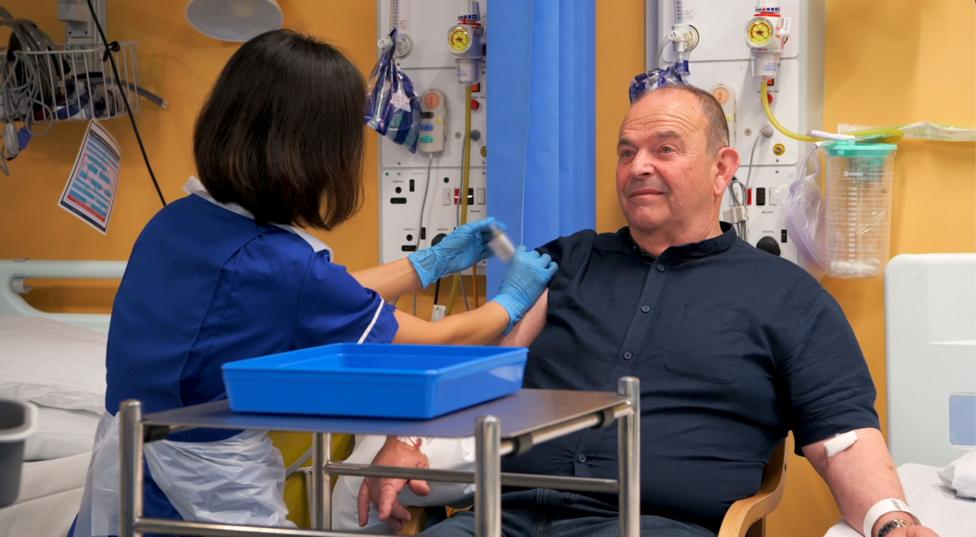 Image source, Addenbrooke's Hospital
Tony Chapman, 75, from Corby in the East Midlands was one of the 1,100 melanoma patients enrolled on the vaccine trial
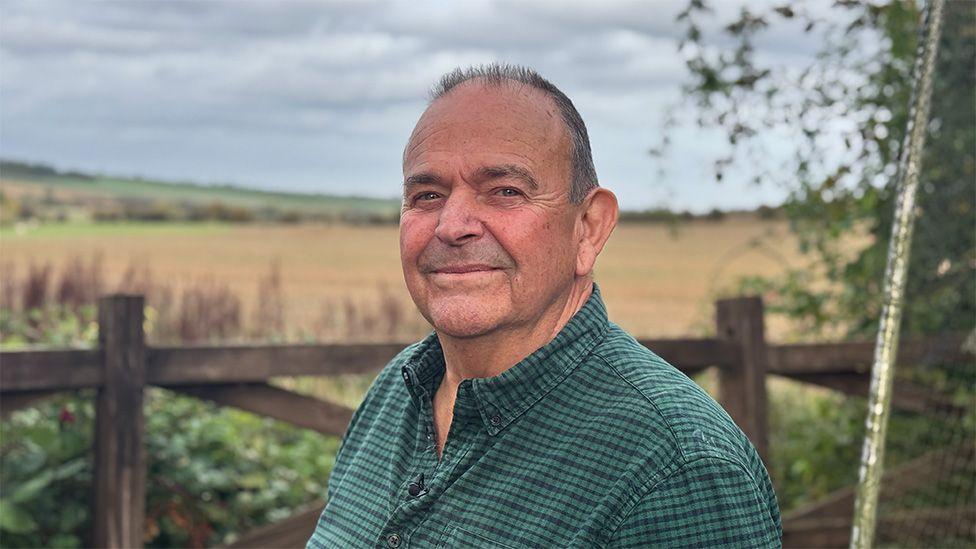
The latest checks show that Tony Chapman is cancer free three years after he was first told melanoma skin cancer had spread to his lymph nodes
