The key facts
- In September, Ursula von der Leyen invited Canada to become the EU's first 'associated member', without explaining what this means in practice
- Krämer proposed Canada's observer status in the EU Council and a parliamentary assembly modelled on the EU–UK one
- The EU–Canada summit will take place in Montreal at the end of next week; agreements on raw materials and digital cooperation are expected
A proposal against the backdrop of geopolitical shifts
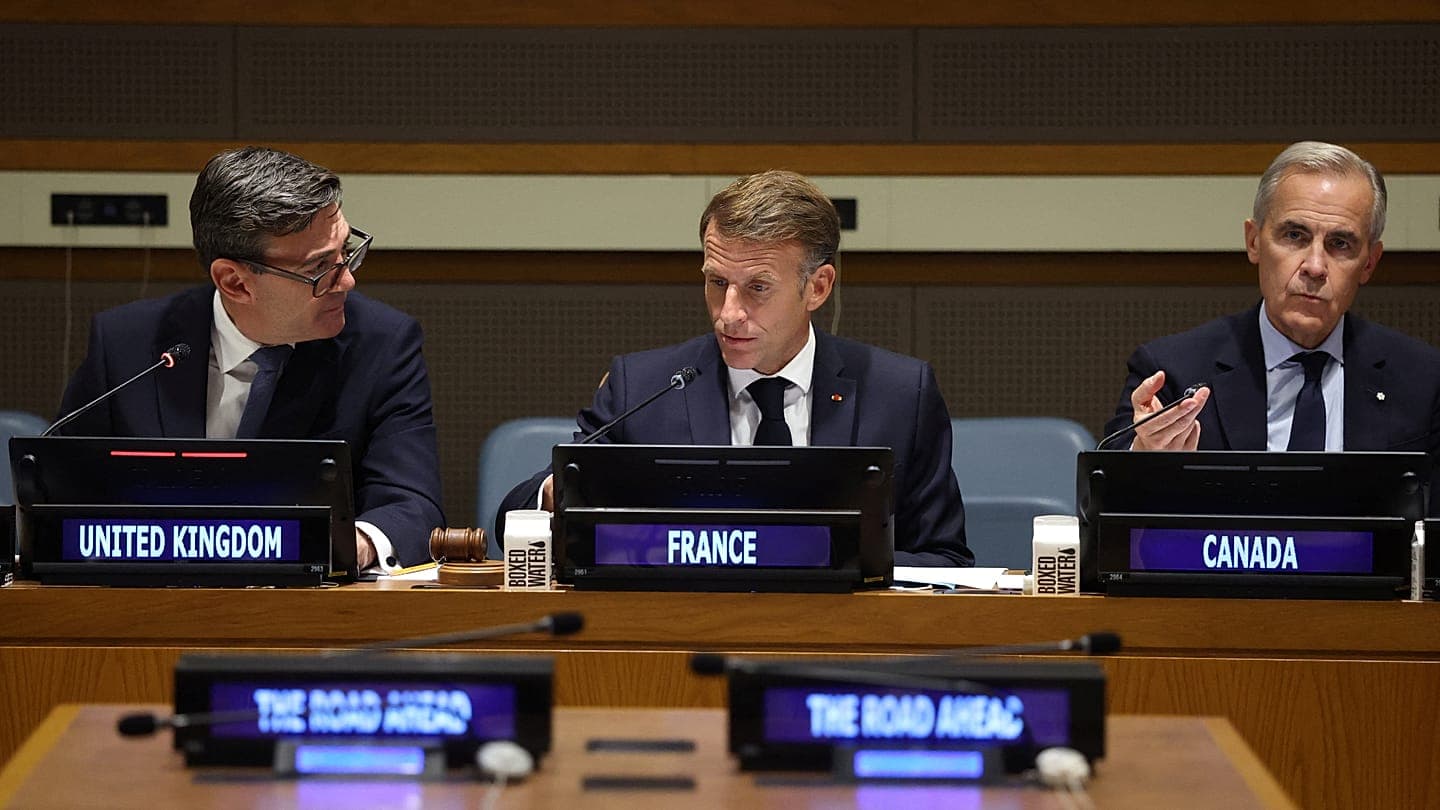
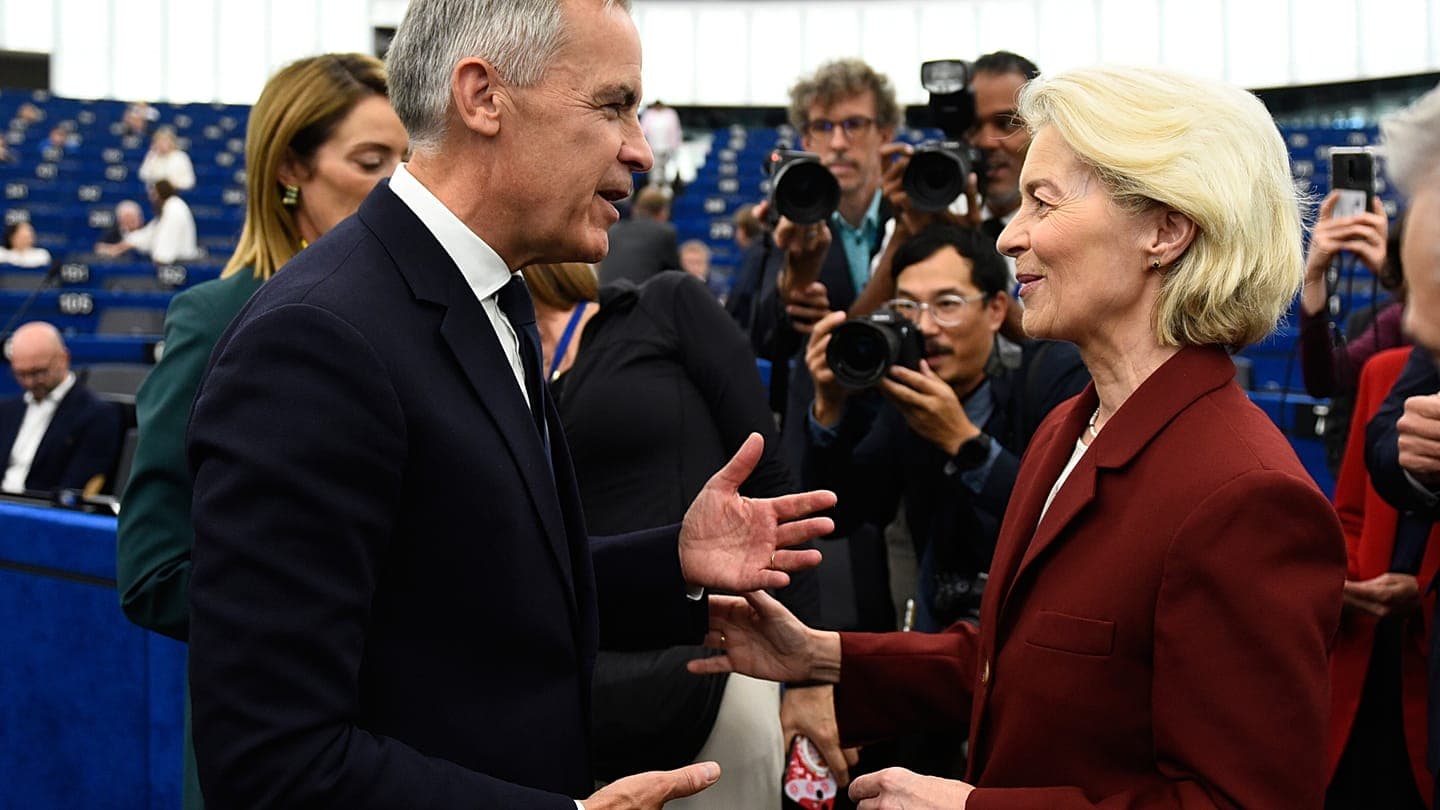
The EU must turn the proposal of 'associated membership' for Canada into a partnership with real substance going far beyond trade, said in an interview with Euronews Tobias Krämer, the European Parliament's standing rapporteur on Canada, an MEP from the German socialists. European Commission President Ursula von der Leyen in September invited Canada to become the EU's first 'associated member', but hardly explained what this unprecedented status would mean in practice. The proposal came amid geopolitical upheavals that are bringing Brussels and Ottawa closer together: Canada has been drawn into a trade war with its traditional ally — the United States, while the EU is trying to keep Washington on its side on the issue of Ukraine.
'Time to turn the love story into commitments'
'Over the past few months, we, Canada and Europe, have been writing each other love letters excellently and constantly saying how much we want to work together,' Krämer said. 'But, in my opinion, it is now really time to get more serious and turn this love story into concrete commitments.' According to him, 'associated membership' should mean 'the closest partnership that the EU can offer a non-European country', and since Canada is probably the most European of non-European countries, it 'should be very close'. Krämer insists that the relationship must be more than a 'trade agreement plus': 'The relationship needs to be given a new quality.'
A pragmatic approach and an institutional framework
The MEP called for a 'pragmatic approach' with sectoral agreements on trade, defence, digital cooperation, the Arctic and student exchanges, but going beyond these topics. 'We should take one more step and start embedding all these wonderful initiatives into something more sustainable, into a common institutional framework for coordination and cooperation,' he proposed. Krämer allowed for Canada's participation 'as an observer' in the EU Council, where national ministers gather, and called for creating a formal parliamentary partnership assembly modelled on the existing EU–UK Parliamentary Partnership Assembly, which twice a year brings together 35 representatives from each side at sessions on individual policy areas.
On the UK and other partners
As for the United Kingdom, Krämer called it a European country for which, 'if it so wishes', the goal 'should be not associated but full membership'. His statement came amid the fact that UK Prime Minister Andy Burnham recently allowed for the possibility of the country rejoining the EU, and polls show that a majority of Britons want to re-enter the bloc. In addition, Krämer advocated closer cooperation not only with the UK and Canada, but also with Australia and South Korea: 'I believe it is in our interest to bring all these players together and say: wait, in fact most countries in the world want to pursue 21st-century policies based on collective security, shared interests and mutual respect, not on the principle of might makes right.'
Summit in Montreal
At the end of next week, the sides will meet at a summit in Montreal, where agreements are expected to be concluded in a number of areas, including critical raw materials and digital cooperation.