The key facts
- Around 40 delegations came to Budapest for the 70th anniversary of the 1956 revolution, but most EU countries were represented by ministers and parliamentary speakers rather than heads of government.
- From the EU leadership, von der Leyen and Costa attended; Macron, Tusk and Zelensky did not come — sources cite late invitations and diplomatic friction.
- Magyar's comment linking the unrest in France to migration drew criticism from Macron; the invitation to Zelensky was accompanied by contradictory statements from the Hungarian side.
A modest guest list
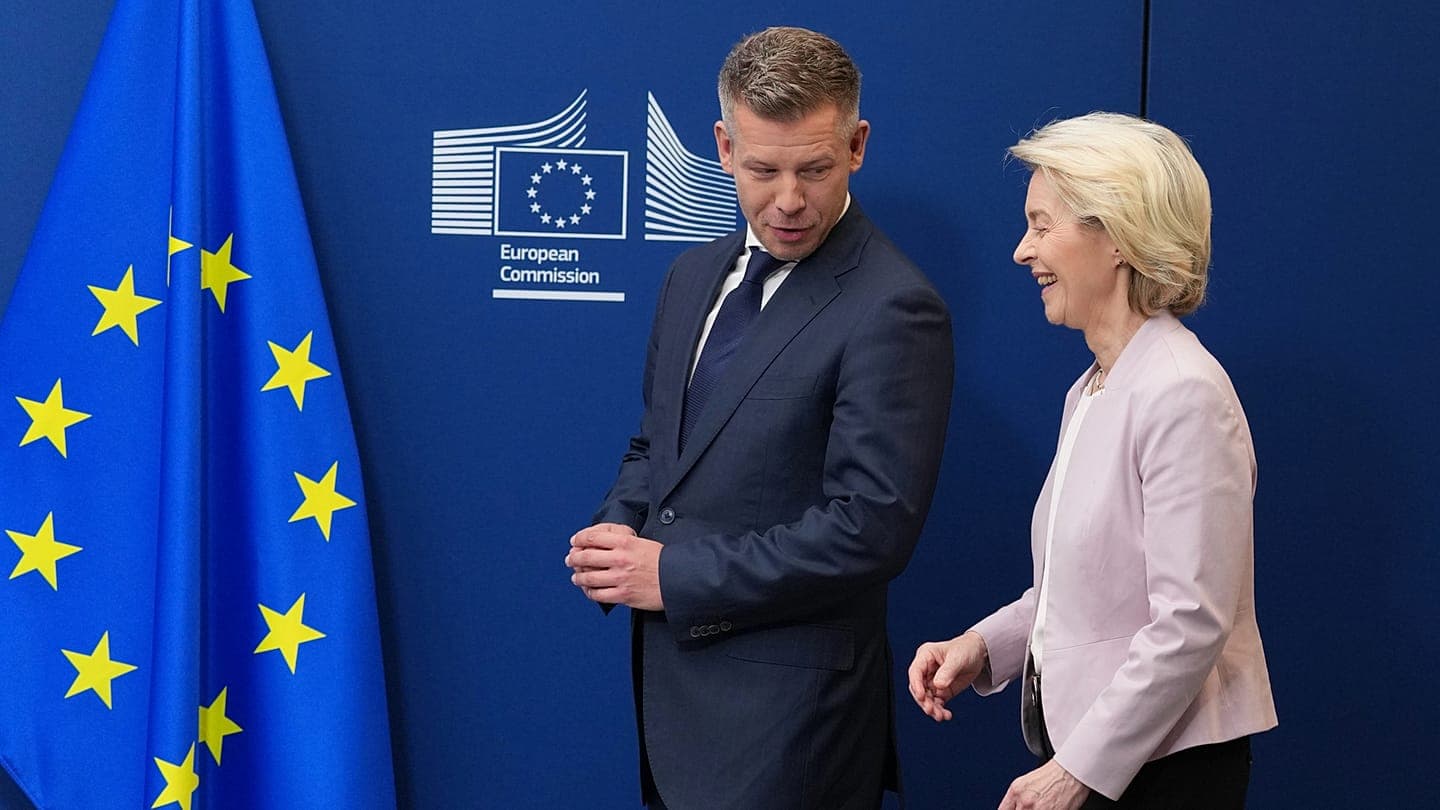
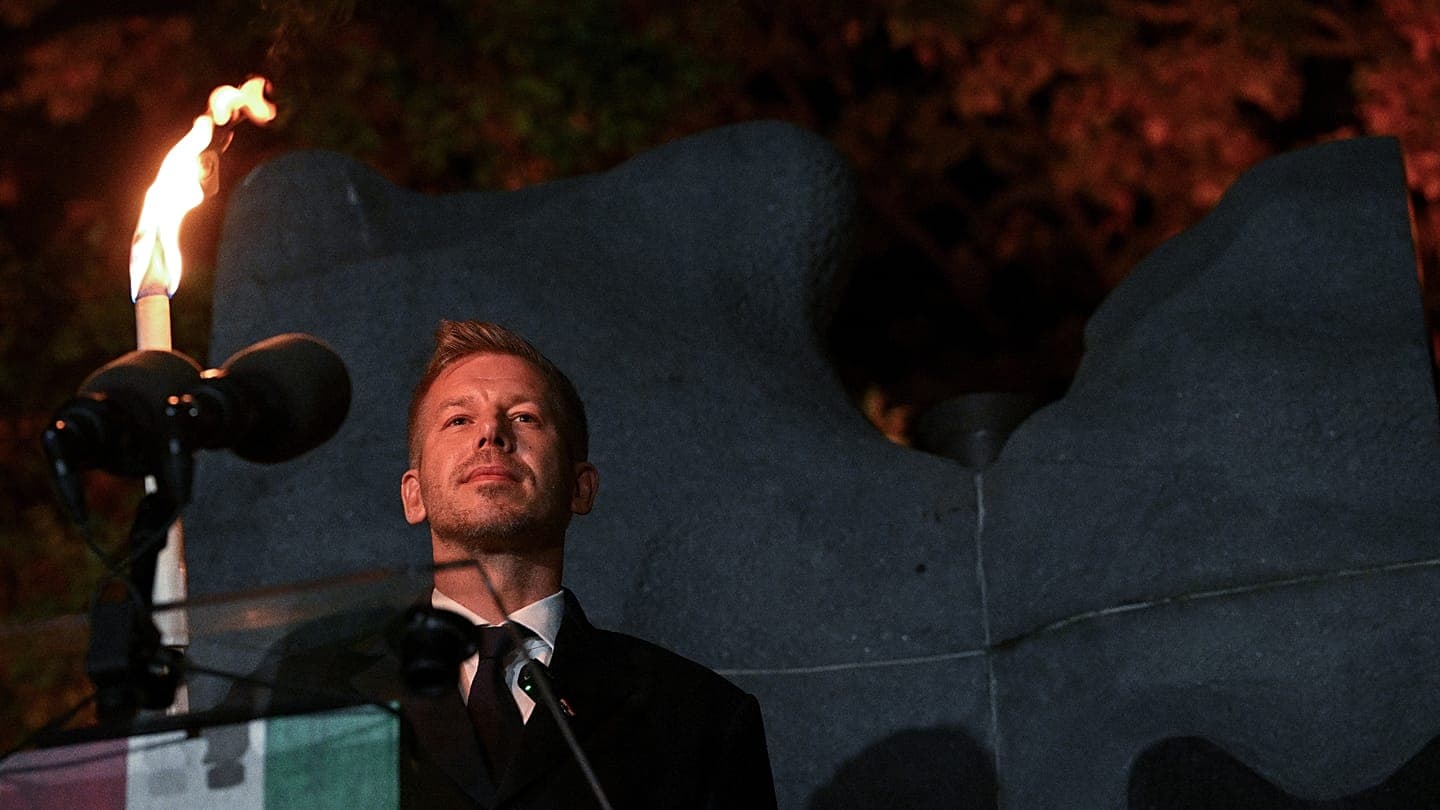
Hungarian Prime Minister Péter Magyar planned a large-scale international commemoration on 23 October dedicated to the 70th anniversary of the 1956 anti-communist uprising. As early as 13 April he told journalists that he hoped to welcome high-ranking American representatives in Budapest — the secretary of state, the vice president or the president. In June he personally invited Emmanuel Macron in Paris, as well as Donald Tusk in Warsaw, Turkish President Recep Tayyip Erdoğan, Austrian Chancellor Christian Stocker and German Chancellor Friedrich Merz. In the end, only European Commission President Ursula von der Leyen and European Council President António Costa came from the EU leadership. In total, delegations from about 40 countries visited Budapest, but most EU states were represented by ministers or parliamentary speakers. Moldovan President Maia Sandu and Georgian Prime Minister Irakli Kobakhidze also attended.
Late invitations and organisational glitches
Sources close to the Hungarian government told Euronews on condition of anonymity that the ceremony was complicated by the delay in sending out official invitations: many were sent only in September, when the leaders' schedules were already full. By that time Tusk had planned a trip to India, and Italian Prime Minister Giorgia Meloni a visit to Kuwait. One source said the government acted in good faith but that coordination between the prime minister's office and the foreign ministry was weak, adding: 'In the future we will do better.' Foreign policy expert and former diplomat István Szent-Iványi called the inflated expectations a mistake: in his words, Europe and its countries are 'battling a thousand problems' and did not consider the visit important enough. Euronews received no response from the Hungarian government by the time of publication.
Friction with Paris and Kyiv
Magyar's comment, published on social media on Sunday, linked the unrest in France to migration: 'Perhaps it is now clear to everyone why Hungary takes the toughest position on migration.' This drew criticism in Hungary and France. The next day, the French embassy in Budapest announced that Macron would not come, noting that his visit had never been confirmed by Paris. On Wednesday, Macron criticised the 'stupid comments' of foreign leaders linking migration to the unrest — besides Magyar, similar statements were made by Donald Trump and Tusk. 'People claimed that we were overrun by hordes of migrants and Islamists, which is absolutely false,' Macron said, adding that he is irritated by those who 'speak badly about our country.' The invitation to Zelensky was also accompanied by friction: at the EU summit in Brussels he expressed readiness to visit Budapest, but a few days later Magyar downplayed that possibility, and Zelensky's adviser Dmytro Lytvyn objected to his remarks. Ukraine was represented at the ceremony by the parliamentary speaker; the president's office stated that the visit was organised independently and does not replace Zelensky's arrival. Dániel Hegedűs of the Institut für Europäische Politik believes Magyar's posts can be interpreted as interference in French domestic politics, and his response to Zelensky — 'everyone was invited' — signals to partners that their presence is not a strategic matter.
The Georgian PM's presence and von der Leyen's visit
The presence of Irakli Kobakhidze sparked controversy: Brussels criticises his party 'Georgian Dream' for its close ties with Russia, derailing Georgia's EU integration path and suppressing dissent. This week, Georgia's Constitutional Court began hearings on the ruling party's request to ban five pro-Western parties. Szent-Iványi noted: 'We know this is a pro-Russian repressive regime, so it has no place next to the memorial of the 1956 revolution. But here they say it is protocol, everyone was invited, and he said he would come.' Von der Leyen and Costa could initially have missed the ceremony due to the EU meeting with Gulf countries in Riyadh scheduled for Saturday, but its postponement allowed them to attend. In Budapest, von der Leyen declared: 'Six months ago, the people of Hungary voted for a new chapter. To turn the page on years of discord, undermined trust, curtailed freedoms and weakened prosperity.' In Szent-Iványi's view, the absence of leading European leaders does not mean abandoning Magyar: 'The list of participants is modest, that is a fact. But the presence of von der Leyen confirmed that these elections meant Hungary's return to Europe.'