The key facts
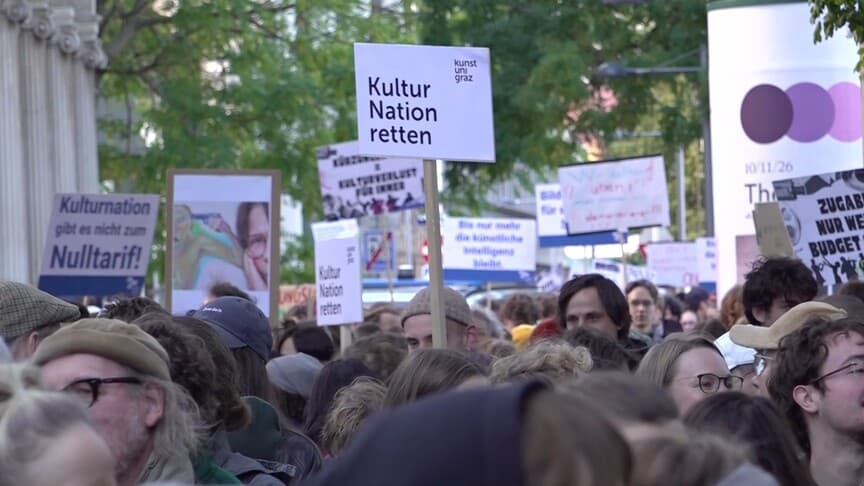
- Protests on October 31 will take place in many German cities for better funding of schools and learning conditions
- The GenZ movements also demand climate measures, action against rising prices, and oppose compulsory military service, rejecting violence
- The interior ministers of Baden-Württemberg and Bavaria declared their readiness to respond firmly to possible violence
Support for the protests
The Federal Student Conference has supported the protests planned for October 31 in many German cities demanding increased education funding and improved conditions in schools. Organization representative Isabel Seltenreich told the Rheinische Post newspaper, noting that students have the right and every reason to take to the streets to improve the education system.
Demands and the connection with France and Italy
The youth movements GenZ regelt' and GenZ steht auf launched online mobilization campaigns. In addition to educational demands, they advocate stronger climate protection, measures against the rising cost of living, and oppose compulsory military service, while the initiative explicitly rejects violence. Seltenreich stated that the conference shares many of the demands of the protests in France and Italy: better school infrastructure, a sufficient number of teachers, smaller classes, and equal opportunities regardless of social background. She warned that such protests could be exploited by various political groups.
The position of the Left
Co-chair of the opposition Left party, Ines Schwerdtner, said in a video briefing with the Socialist Democratic Student Union (SDS) that the unity of various movements that is working in France must also be achieved in Germany. She assured SDS activists — an organization under surveillance by the domestic intelligence agency in Bavaria and Baden-Württemberg: 'I will defend you — no matter who attacks you, the police or the media.'
Police and state authorities' reaction
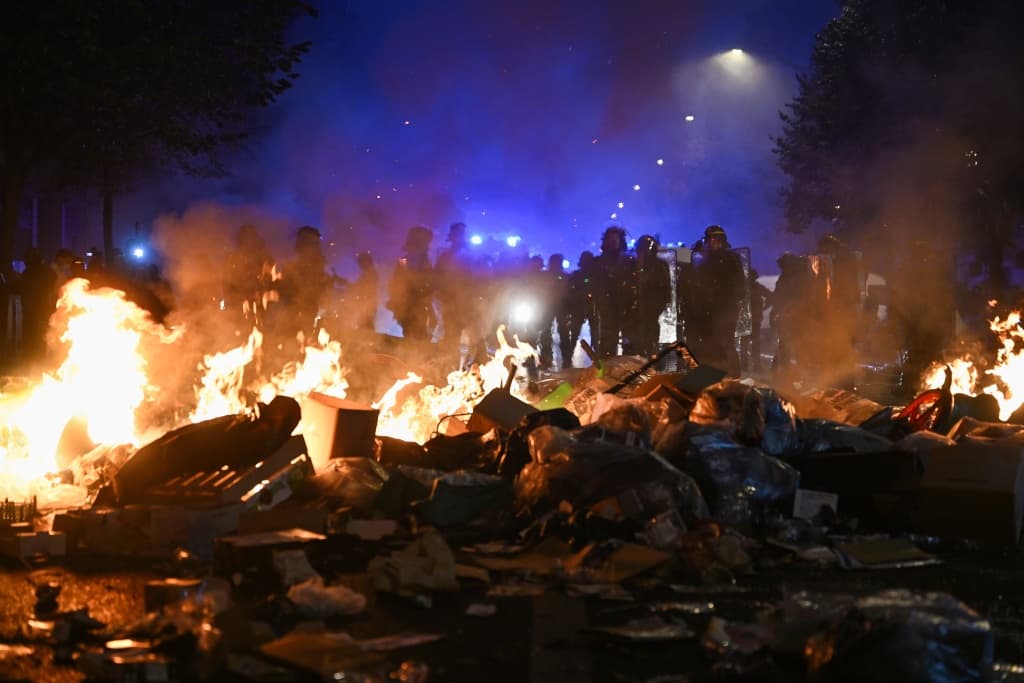
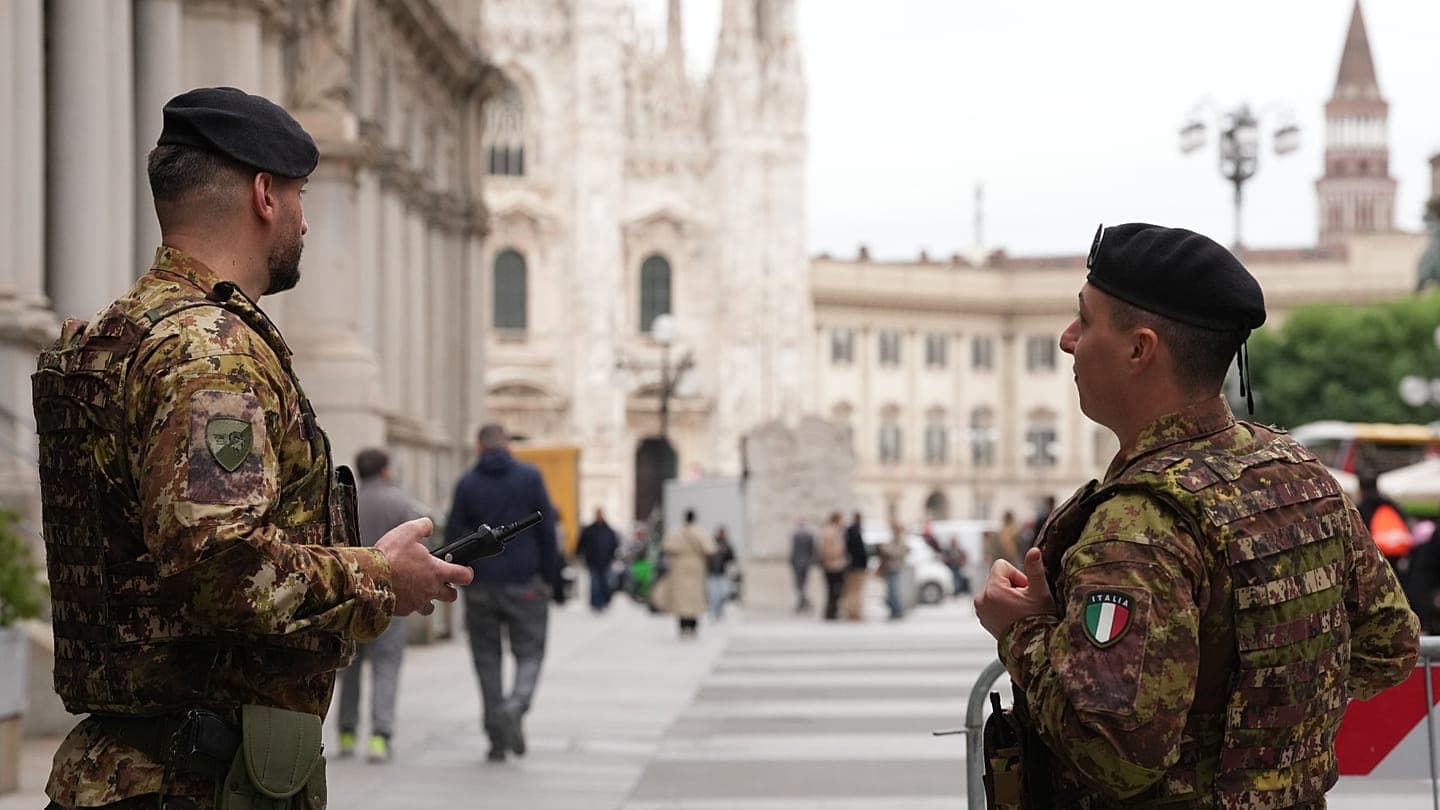
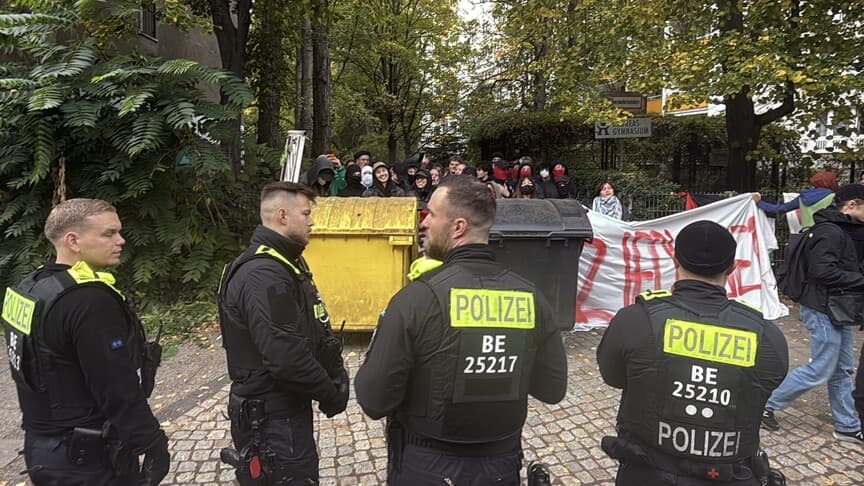
In France, student protests have been ongoing since the end of September with demands for better school conditions and more teachers; similar actions spread to Italy, and in both countries the demonstrations were accompanied by acts of violence. Federal chairman of the German police union, Jochen Kopelke, expressed the opinion to the Mediengruppe Bayern newspapers that the German police are better prepared for violent protests than the French: 'the quality and professionalism of the German police are on another level,' and German operational frameworks are more modern and more communication-oriented. Baden-Württemberg's interior minister, Manuel Hagel, told BILD that there are concrete signs of the protests spreading to his state and calls to transfer violent actions from France; he promised to prevent 'protest tourism.' His Bavarian counterpart, Joachim Herrmann, announced a zero-tolerance strategy, promising a strong police presence to prevent riots, arson, and violent clashes while protecting the freedom of assembly.