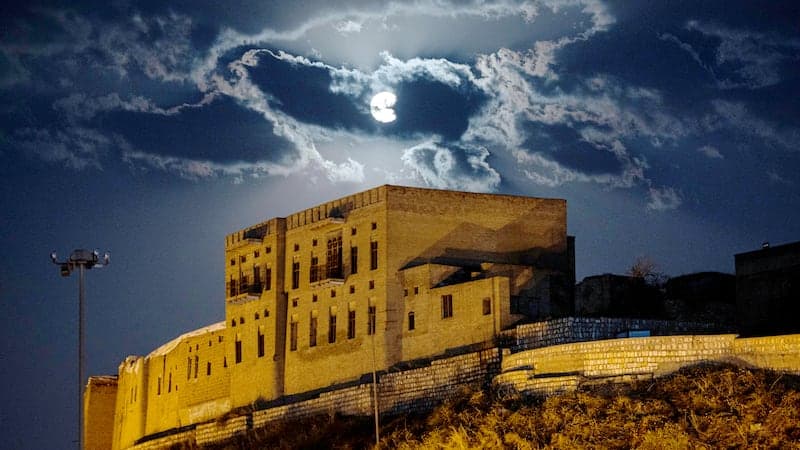
The key facts
- Four houses near Erbil Citadel, vacant since 2012, are being handed to KCAC for an archive, exhibitions, and workshops
- The archive will partner with Salahaddin University, whose manuscript collection has been nearly inaccessible since the 1960s
- A project with the British Library and the University of Exeter to catalogue manuscripts is being prepared in Sulaymaniyah
Historic houses get a new life
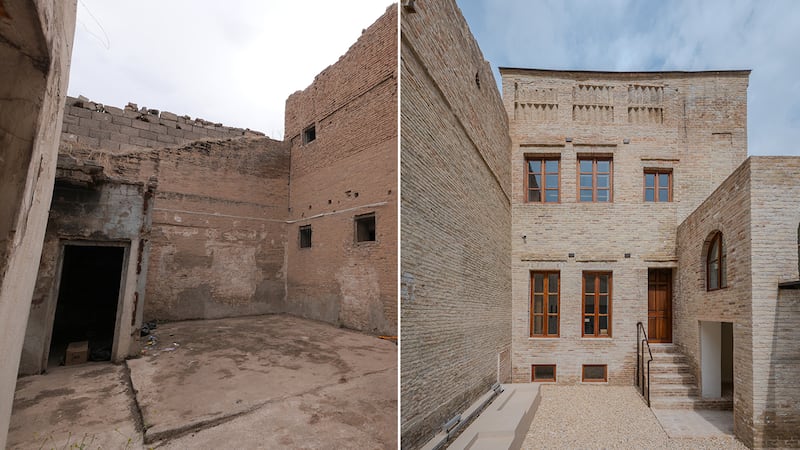
In Erbil's old quarter, next to the ancient citadel, the Kurdish Center for Arts and Culture (KCAC) is restoring four historic houses. According to KCAC's director of public impact, Spede Mizuri, one house will become an archive — a 'fireproof, waterproof, bulletproof' repository. Most of the buildings predate the era of the Iraqi monarchy, and one dates from the Ottoman period with British influence. The houses were evacuated in 2012 as part of the neighborhood's improvement, but the work stalled with the emergence of ISIS, and they have stood empty ever since.
Archive and exhibitions
The archive building will host a partnership with Salahaddin University: a collection of manuscripts moved to the university in the 1960s has remained practically inaccessible ever since — without cataloguing or academic study. The second house will become a permanent exhibition venue; next month it will open with the first solo exhibition in Kurdistan by a Kurdish artist living in exile. The remaining two houses will be used for workshops and long-term training programs in the fields of art, heritage, and culture.
Digitizing vulnerable collections
The restoration continues KCAC's work on preserving collections in Iraqi Kurdistan. Since 2024, a mobile archival project with scanners in a Toyota van has been traveling through villages, religious schools, and private libraries, digitizing materials and making them openly available. The collections include political documents, religious manuscripts, personal diaries, astrological materials, and modern printed matter; some of them were buried underground during periods of conflict. Mizuri noted that the fate of many acquired works and materials handed over 'for safekeeping' is unknown, and called digitization 'the first emergency response to the crisis.'
Project with the British Library
In Sulaymaniyah, KCAC together with the British Library and the University of Exeter is working with the library of the Ministry of Religious Endowment, which holds some of the oldest manuscripts of Kurdistan. The project, to be announced next week, is set to make the collection the first Kurdish library represented in the British Library's cataloguing system. Mizuri emphasized the significance of the initiative given Kurdistan's history under British imperial rule and the absence of Kurdish libraries in the institution's catalogue.
Exhibition activities
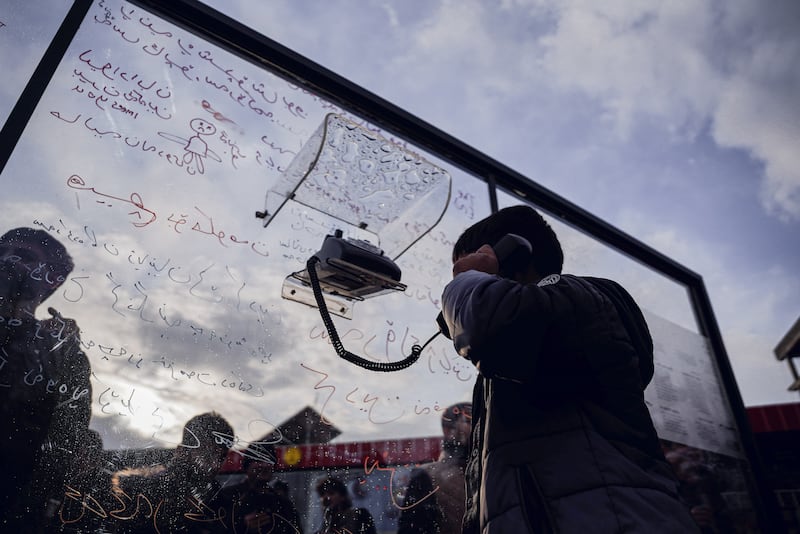
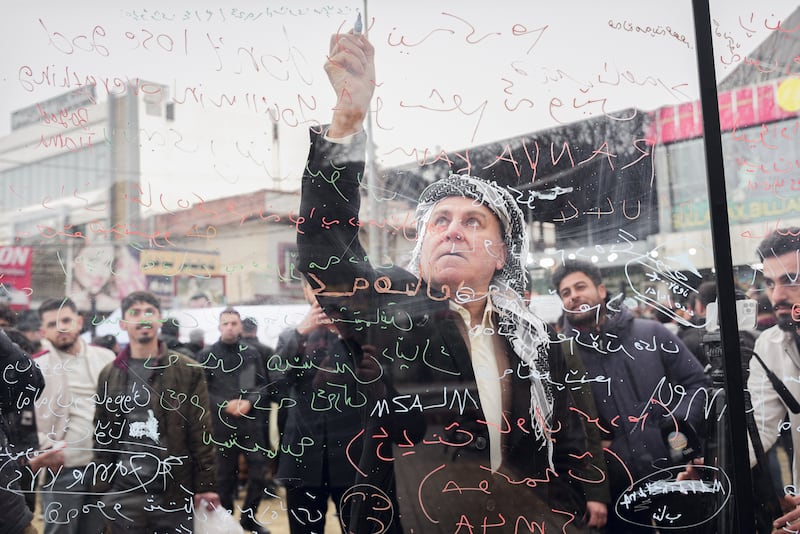
KCAC's first exhibition was held in 2024 in Acre, where the old Ottoman Qishla fortress became a space for digital artist Kayvan Shaban; according to Mizuri, the exhibition was extended three times at the request of the local tourism office. Then in Ranya, near the Iranian border, the exhibition Being Lost was held in a public park known as a place where migrants look for smugglers. The display gathered mementos from families whose relatives had left or gone missing; visitors could record messages intended for radio broadcast in the hope of reaching those who had left. Seminars took place at the nearby University of Raparin.
Context and international ties
Kurds live in Iraq, Turkey, Iran, and Syria, as well as in a large diaspora; despite a shared cultural identity, their communities have developed under different political systems, so language, literature, and traditions play an important role in preserving a common historical narrative. KCAC is developing ties with cultural institutions in Iraq and the region: the center took part in the first Art Basel Qatar, will participate in the Sharjah Art Foundation's art book fair, and works by artist and resident Walad Siti were recently shown at Jameel Arts Centre in Dubai. 'Heritage is collective,' said Mizuri, adding that the priority is 'first preserve, then promote.'