The key facts
- October 9 deal: quotas of 350,000 Chinese hybrids per year for four years with an annual 6% adjustment
- The EU's trade deficit with China has reached €1 billion per day; Chinese exports to the EU grew 25% over the year
- The EU is preparing a 'kill switch' and new measures on chemicals and industrial equipment; technical talks until the end of the year, political talks in January and March 2027
Šefčovič: 'walking a tightrope' in talks with Beijing
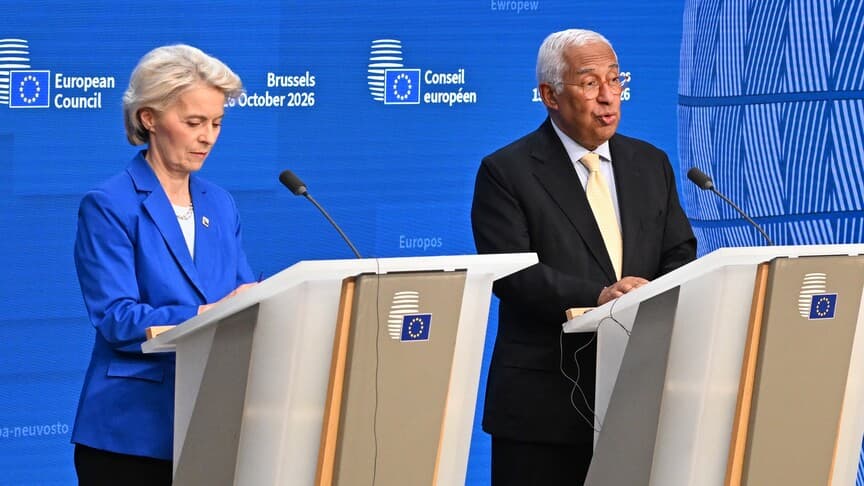
EU Trade Commissioner Maroš Šefčovič said on Friday after a meeting of the trade ministers of the 27 EU countries in Ireland that the bloc is 'walking a tightrope' in talks with China, weighing traditional trade measures alongside broader political considerations. 'Entire sectors are under threat; every head of state and government is concerned about possible serious job losses,' he said. According to him, the EU must act 'not only with traditional trade methods, but also with a very political approach' to balance trade between China and the EU.
The hybrids deal will not close the deficit
After several months of negotiations, Brussels and Beijing reached an agreement on October 9 to limit imports of hybrid cars from China. Under its terms, the EU will introduce country-specific quotas allowing 350,000 Chinese hybrids onto the European market annually for four years with a fixed annual adjustment of 6%. However, as Euronews notes, the agreement is unlikely to significantly reduce the EU's record trade deficit with China, which, according to Commission data, has reached €1 billion per day. According to the latest Chinese customs data, Chinese exports to the EU grew by 25% last year.
New instruments and the negotiation timetable
A new round of discussions with Beijing at the technical level is underway until the end of the year; political talks are scheduled for January and March 2027. Given the urgency, EU leaders last week gave the European Commission a political mandate to develop a 'kill switch' instrument that would allow restricting China's access to the European market in response to economic distortions. The idea, advanced earlier this month by France and Germany, is to be presented in the same week as the new October 9 instrument and before the December summit of EU leaders. This instrument is meant to encourage European companies to diversify suppliers of strategic products, reducing dependence on China. The Commission also hopes to extend the agreement to other sectors, but, according to EU officials, progress will also depend on Beijing's reaction. Another unilateral measure against Chinese chemicals and industrial equipment may appear in December — with the risk of Chinese countermeasures.