The key facts
- China's exports to the US in 2025 fell by 19.5% to ~$420 billion, but total exports grew by 6.1% to ~$3.77 trillion (customs data).
- Shipments to ASEAN grew by 14% (~$665 billion) and to the EU by 9% (~$560 billion); the increase in sales to these two markets (~$128 billion) exceeded the losses on the American route (~$102 billion).
- Shipments to ASEAN grew by 14% (~$665 billion) and to the EU by 9% (~$560 billion); the increase in sales to these two markets (~$128 billion) exceeded the losses in the American direction (~$102 billion).
- In the first nine months of 2026, exports grew by 16.4% to ~$3.45 trillion; chip exports nearly doubled (+99.1%), electric vehicles rose by 72.3%, and lithium batteries by 36.4%.
US-bound shipments fall while overall exports grow
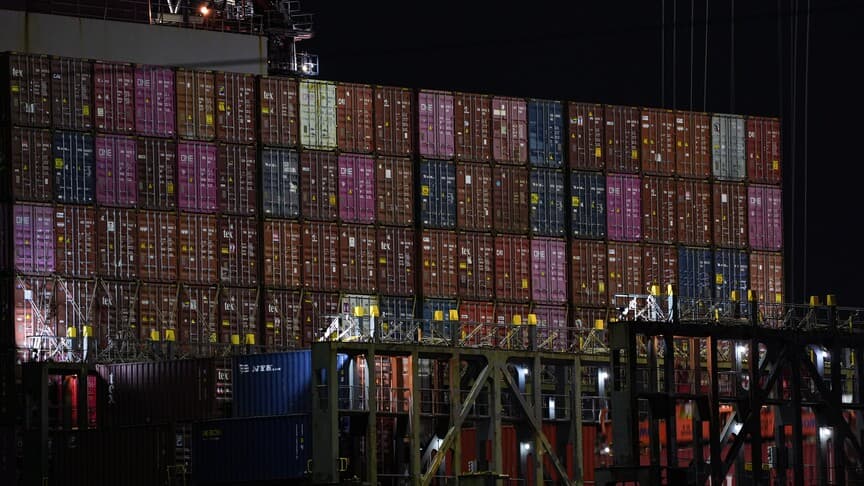
China's exports to the United States fell by 19.5% in 2025 — to roughly 3.01 trillion yuan ($420 billion). At the same time, total exports grew by 6.1% to about $3.77 trillion, according to customs data. As Anadolu notes, stronger demand from Southeast Asia and Europe more than offset the losses on the American market.
Context of the trade conflict
The growth came against the backdrop of a trade conflict that began in 2018, when the first administration of President Donald Trump imposed additional tariffs on Chinese goods, citing concerns over intellectual property and pressure on American companies to transfer technology. In April 2025 the conflict escalated: the sides announced successive tariff increases. Talks in Geneva in May brought a temporary easing — the sides agreed to cancel some of the additional tariffs and suspend others for an initial 90 days, but the agreement did not remove all tariffs. Anadolu explains that tariffs are taxes paid by importers; they can make Chinese goods more expensive for American buyers and push exporters to cut prices or look for customers in other countries.
ASEAN and the EU closed the gap
Two markets provided the key support. Exports to ASEAN grew by 14% to about $665 billion, while shipments to the EU increased by 9% to roughly $560 billion. According to Anadolu's calculations based on rounded customs data, the increase in sales to these two markets amounted to about $128 billion — roughly a quarter more than the losses on the American route (~$102 billion). At the same time, as the outlet stresses, the figures do not mean that goods intended for American buyers were shipped to other countries: they only show that, across the export sector as a whole, sales growth in other markets outweighed the decline in the US. Together, ASEAN and the EU bought about $1.23 trillion worth of Chinese goods — almost three times more than the US; these two markets accounted for roughly a third of Chinese exports, versus about one-ninth for the American market.
A broad network of trade partners
China's trade ties are not limited to these destinations. Total trade with Africa grew by 18.4% in 2025, and with Latin America by 6.5% (including both exports and imports). According to the General Administration of Customs, trade growth was recorded with more than 190 countries and regions. Trade with countries that are partners of the Belt and Road Initiative increased by 6.3% to about $3.3 trillion, accounting for just over half of all of China's goods trade. Anadolu notes that these groups overlap and their contributions cannot simply be added together, but the figures show the breadth of China's trade network.
2026: chips, machinery and electric vehicles
Export growth continued in 2026 — driven by machinery, electronics, electric vehicles and batteries. In the first nine months, exports grew by 16.4% to about $3.45 trillion. Machinery and electrical products accounted for almost two-thirds of exports; their sales rose by 23.7% — faster than exports overall, according to the National Bureau of Statistics. Chip exports nearly doubled (+99.1%), electric vehicle exports grew by 72.3%, and lithium battery exports by 36.4%. Equipment manufacturing accounted for almost 90% of export growth, according to customs data. More than half of exports consisted of parts, materials and other products used for production abroad, underscoring China's role as a supplier to foreign factories, not only to consumers. The outlet clarifies that the indicators measure the value of sales and may reflect price changes, and that strong national figures do not mean equal benefits for all exporters.
Current dynamics and data limitations
According to the latest data, trade with the US has begun growing again alongside continued expansion in other directions: in the first nine months of 2026, trade with ASEAN grew by 22.7% to about $1.02 trillion, with the EU by 8.4% to about $711 billion, and with the US by 4.1% to roughly $473 billion. These figures include both imports and exports, so they do not show how exports alone changed. Anadolu emphasizes that the American market remains important, and the reorientation toward other buyers does not mean that Chinese business has stopped depending on buyers from the US. The editorial conclusion from the data presented: China's export growth rests on several sources — Southeast Asia and Europe offset last year's American losses, while chips, electronics, and electric vehicles support further expansion.