The key facts
- More than 9,600 confirmed cases and 4,646 deaths in DR Congo since May; 8 provinces affected
- 50 of 66 affected health zones (75.8%) reported new cases over the last 21 days
- Kenya confirmed its ninth case, a case confirmed in Nigeria (Abuja); Africa CDC calls for global solidarity
Active Ebola virus transmission in DR Congo
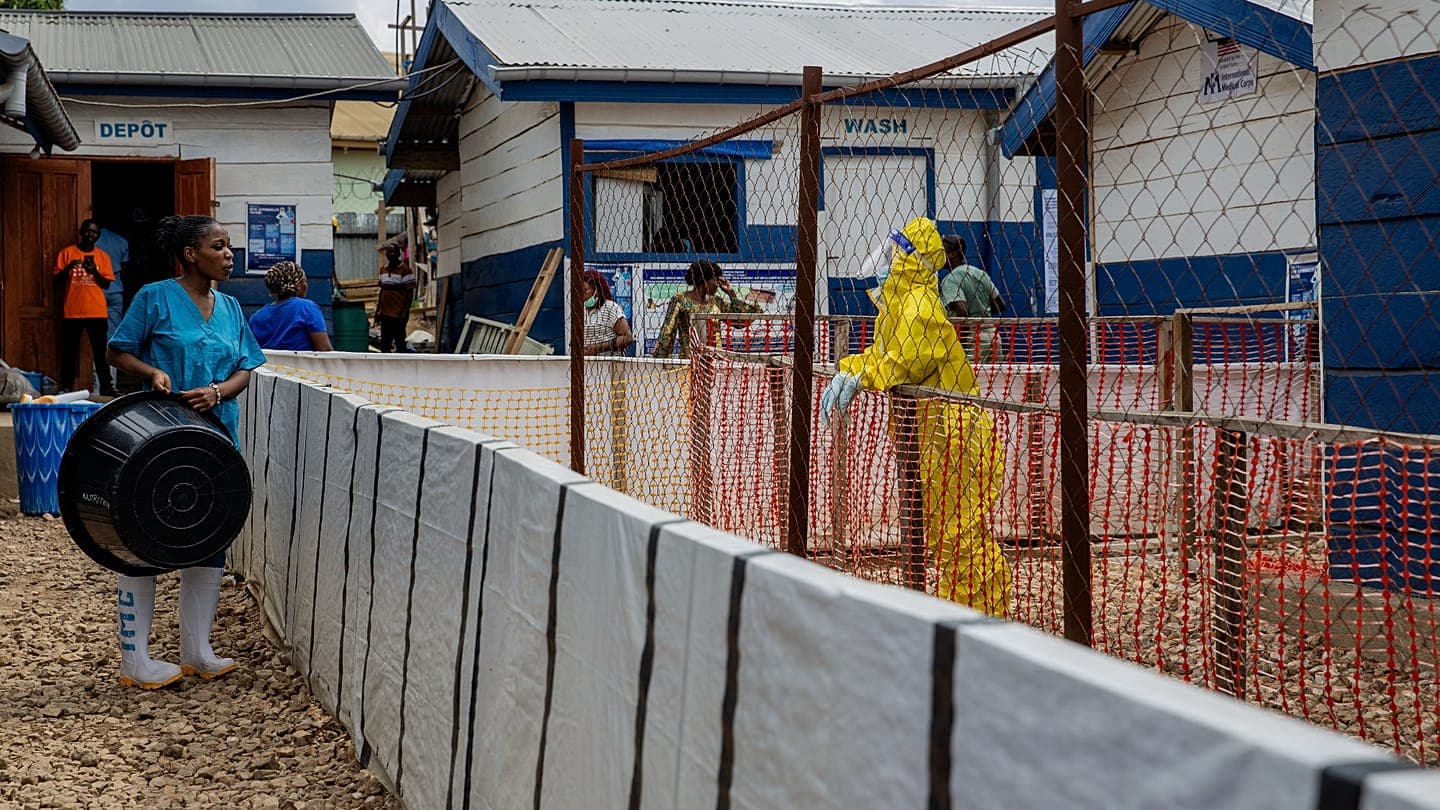
The World Health Organization reported in a situation report that Ebola transmission in DR Congo remains active in more than three quarters of the affected health zones since the outbreak began in May. The cumulative number of confirmed cases has exceeded 9,600, including 4,646 deaths. The disease is caused by the Bundibugyo virus strain and has affected eight provinces: Haut-Uele, Ituri, North Kivu, South Kivu, Bas-Uele, Tshopo, South Ubangi and North Ubangi.
Geography and dynamics
Of the 66 affected health zones, 50 (75.8%) reported at least one new confirmed case over the last 21 days. Ituri accounts for the largest share of cumulative confirmed cases — 72.7%, while significant transmission persists in North Kivu and Haut-Uele. The seven-day rolling average indicates a moderate upward trend, which, according to the report, suggests a renewed intensification of transmission.
International spread
WHO notes that the outbreak is becoming increasingly complex: the cluster of cases linked to an imported index case in Kenya is growing, and a case has been confirmed in Nigeria. On Tuesday, Kenya reported one more infection, bringing the number of cases to nine. The report highlights the expanding international dimension of the outbreak and the growing complexity of the situation, especially in DR Congo, where escalating insecurity, population movements and limited humanitarian access threaten to undermine surveillance and response efforts.
Africa CDC response
The Africa Centres for Disease Control and Prevention (Africa CDC) called for global solidarity to stop Ebola after a case was confirmed in a patient in Nigeria's capital, Abuja. Africa CDC Director-General Jean Kaseya noted the need for immediate and flexible funding, medicines, diagnostics, trained specialists and strengthened community surveillance. “Ebola crosses borders. Our response must move faster, with stronger coordination, greater solidarity and decisive political leadership,” Kaseya said. Africa CDC will convene a high-level virtual meeting of African health ministers on October 28 to assess the situation, strengthen cross-border coordination, accelerate support for affected countries and enhance preparedness on the continent.