The key facts
- The share of natural dust components in PM2.5 samples in early October was 52−78%, averaging 64%
- Since the beginning of 2026, PM2.5 concentration in Tashkent decreased by 28%, PM10 by 32%
- In 2025 there were 11 days with an AQI level of 'unhealthy'; in 2026 no such days were recorded
Natural dust — the main source of pollution in early October
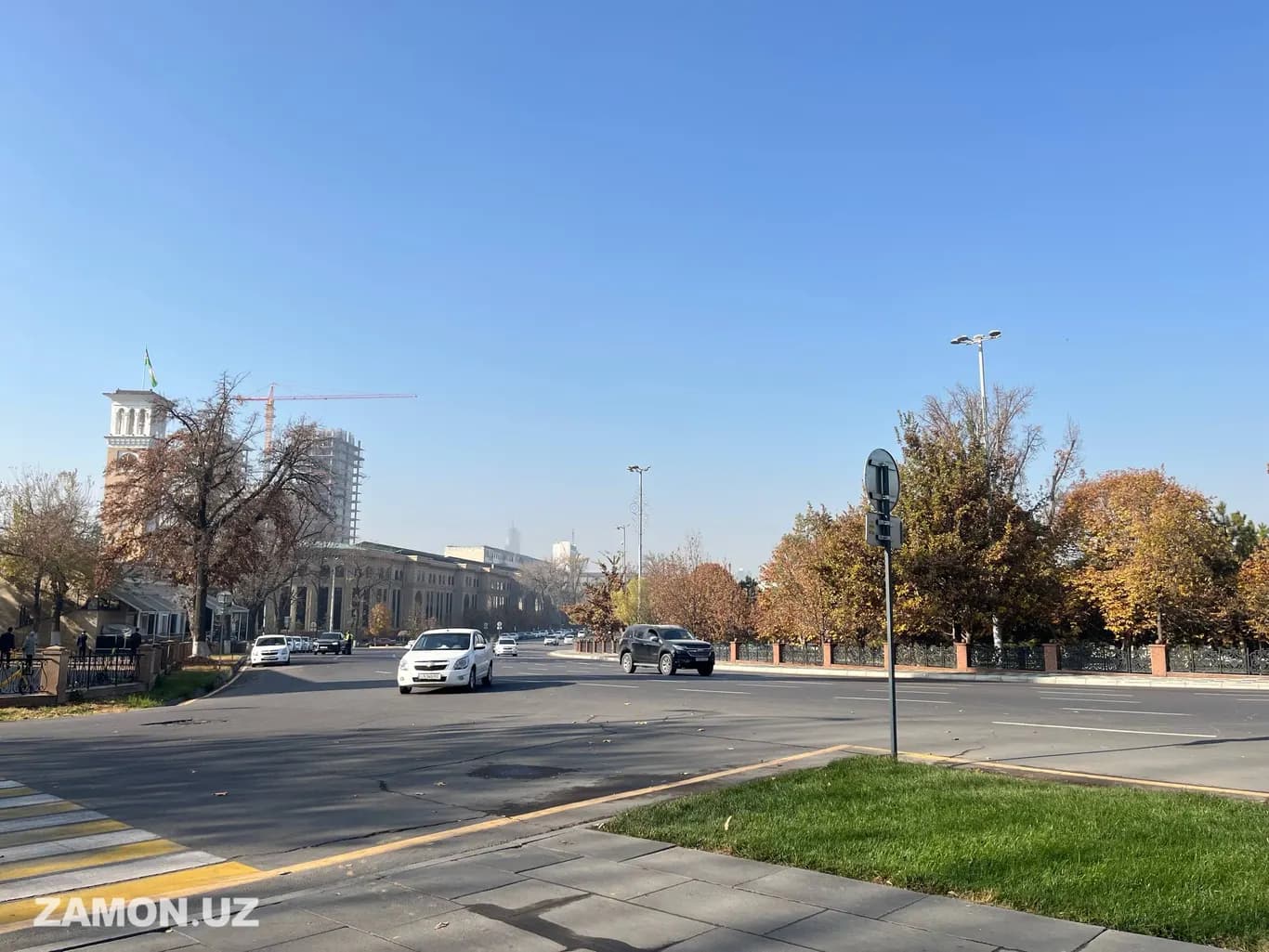
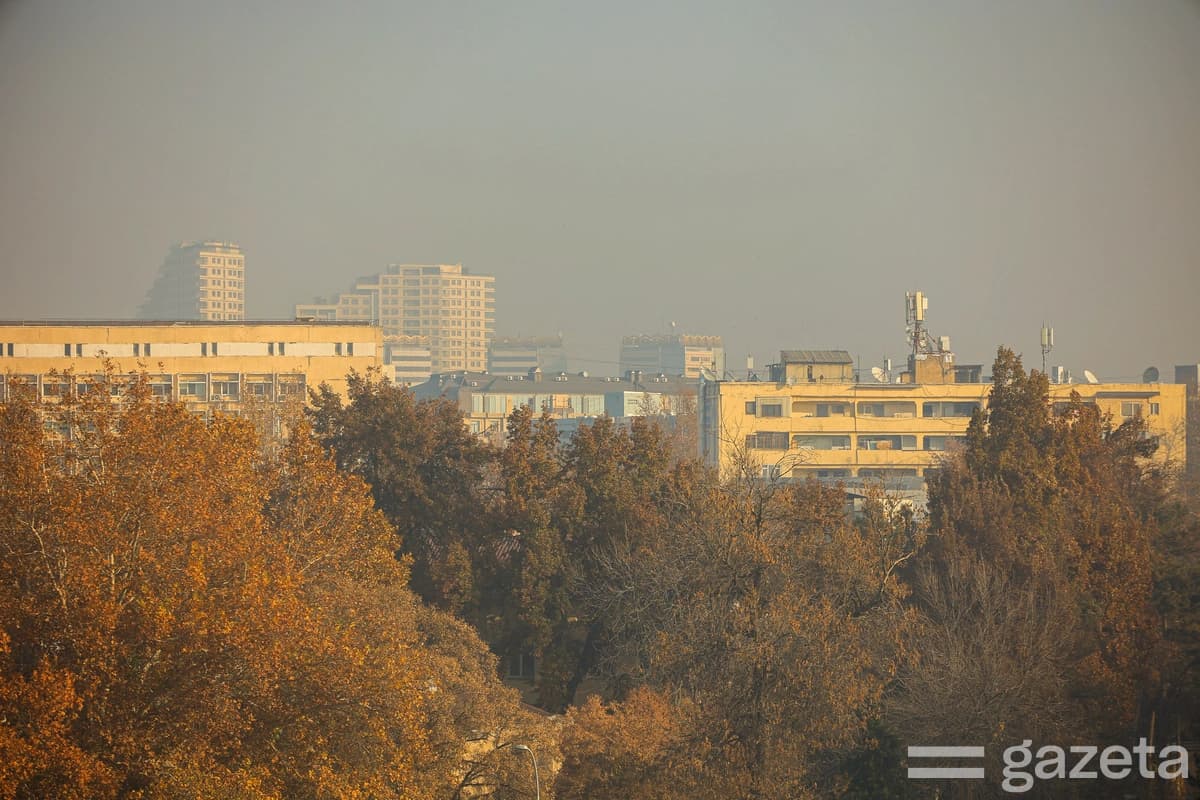
The main source of air pollution in Tashkent from September 28 to October 6 was natural dust. This was announced on October 21 at a briefing on the causes and consequences of autumn air pollution by the director of the Research Hydrometeorological Institute (NIGMI) at Green University, Donyor Turgunov. According to the analysis of the chemical composition of PM2.5 samples collected in laboratories in the Yunusabad, Almazar and Mirzo-Ulugbek districts, natural dust components accounted for 52−78%, averaging 64%. On October 13−14, the dust share was 47−52%.
Air quality indicators improved compared to last year
According to automatic monitoring stations in Tashkent, from the beginning of 2026 to October 19, the average PM2.5 concentration decreased by 28%, and PM10 by 32% compared to the same period of 2025. From September 1 to October 19, the decrease was 28% and 37% respectively, and over the first 19 days of October — 40% and 56%. Donyor Turgunov noted that while in the same period of 2025 the AQI index reached the 'unhealthy' level on 11 days, this year there were no such days. The number of days when air quality in terms of PM2.5 was rated 'moderate' or better increased from 21 to 38.
Factors of autumn air pollution
The NIGMI director listed the main factors of autumn pollution. Meteorological conditions: in autumn the earth's surface cools quickly at night, forming a surface temperature inversion, in which a layer of warm air 'covers' the cold air near the surface. The height of the mixed layer of the atmosphere decreases from 2−3 km in summer to several hundred meters, the wind weakens, and emissions accumulate over the city; stable high-pressure fields on the periphery of the Siberian anticyclone can maintain such a situation for several days. Natural dust: Central Asia is located in the zone of one of the world's largest dust belts — dust from the deserts of the Caspian region, Kyzylkum, Aralkum and Southern Balkhash spreads across the entire region; September and October are usually dry, and soil dust easily rises into the air.
Structure of PM2.5 sources in Tashkent
According to a study by the World Bank and the Ecology Committee, the annual sources of PM2.5 in Tashkent are distributed as follows: wind-blown dust — 36%, building heating — 28%, transport — 16%, industry — 13%, with the remaining share coming from urban dust and waste burning. These indicators vary by season. According to the World Bank report 'Air Quality Management in Central Asia' (2025), in the cities of the region soil and desert dust accounts for 20−50% of annual PM2.5 exposure, which is significantly higher than in other regions of the world.