The key facts
- The 2026–27 archaeological season has been launched in AlUla and Khaybar under the leadership of the Royal Commission for AlUla (RCU).
- Research will cover Hegra, the second phase of the Dadan project, the Khaybar oasis and pilgrimage and trade routes south of AlUla.
- More than 25,000 inscriptions have been documented in AlUla; students from Saudi universities will take part in fieldwork under the guidance of local and international experts.
Season launch
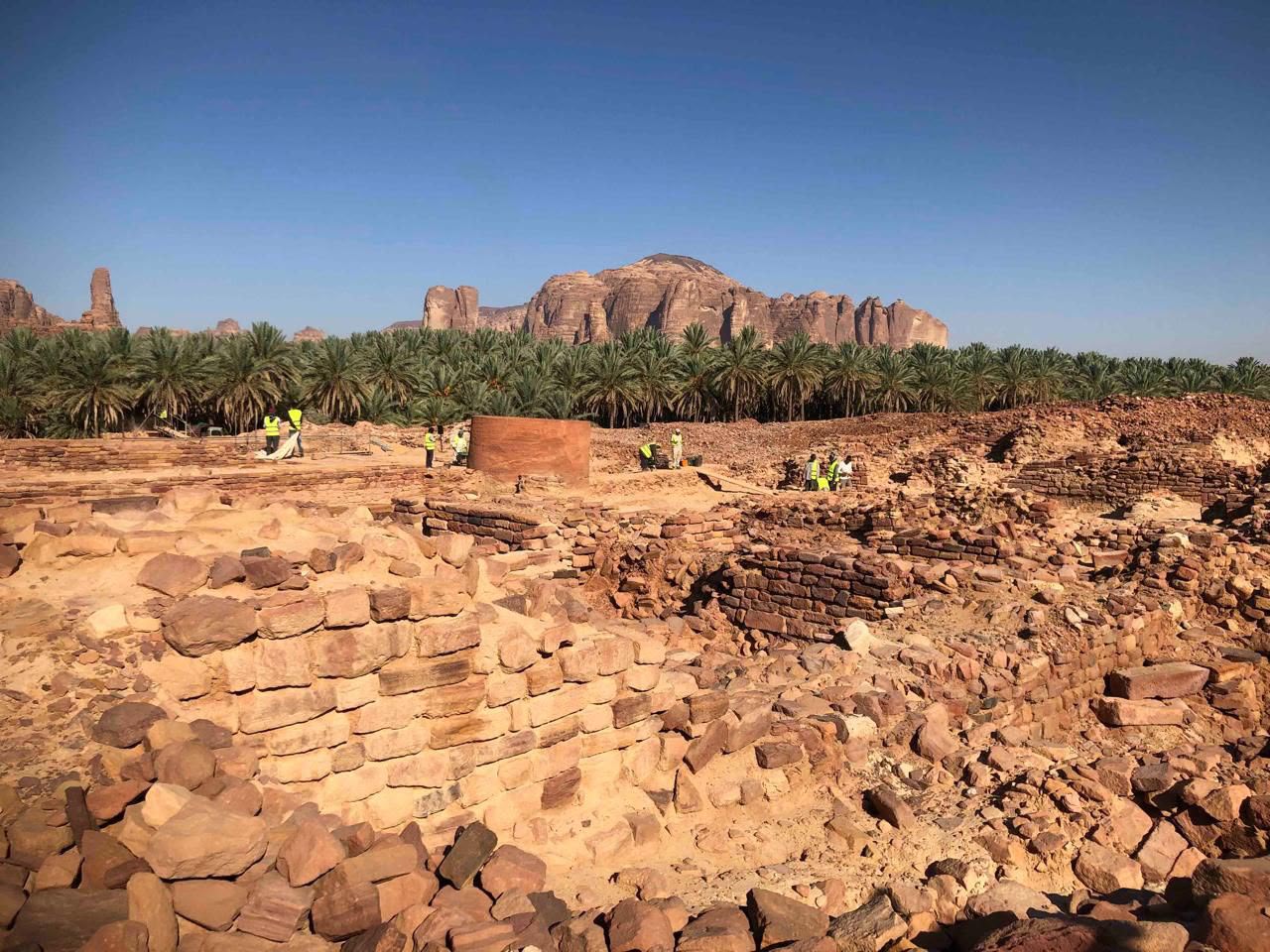
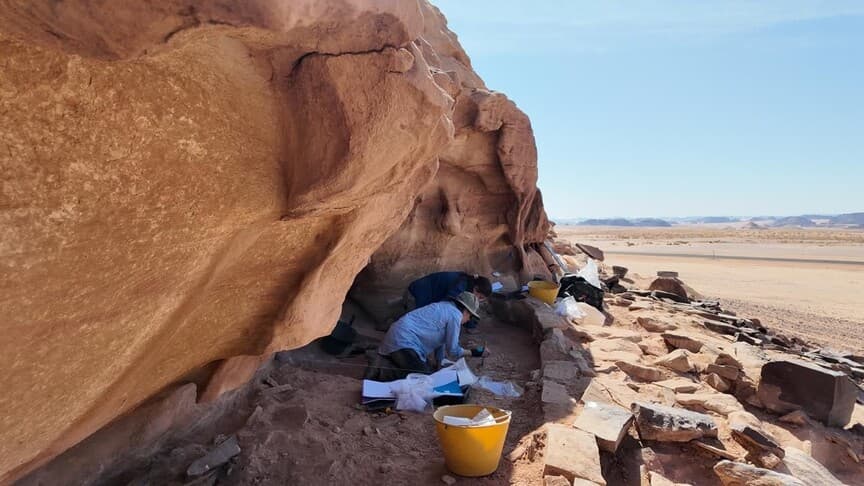
Saudi Arabia has launched the 2026–27 archaeological season in AlUla and Khaybar in the country's northwest. According to the Royal Commission for AlUla (RCU), the season continues years of work on research, excavation, documentation and conservation and aims to expand knowledge of the region's history, as well as to develop Saudi expertise in archaeology and cultural heritage. According to the state agency SPA, the program combines fieldwork, specialized research, digital documentation, conservation, community engagement and staff training.
Research directions
This year, research will focus on early human presence, the ancient Arabian kingdoms and oasis communities, travel and pilgrimage routes, environmental history and water management, inscriptions and written heritage, as well as material culture and ways of life. At Hegra (AlUla), scientists will study the ancient settlement center, including plant and animal remains and archaeological finds, to better represent life at the site across different historical periods.
Dadan and Khaybar
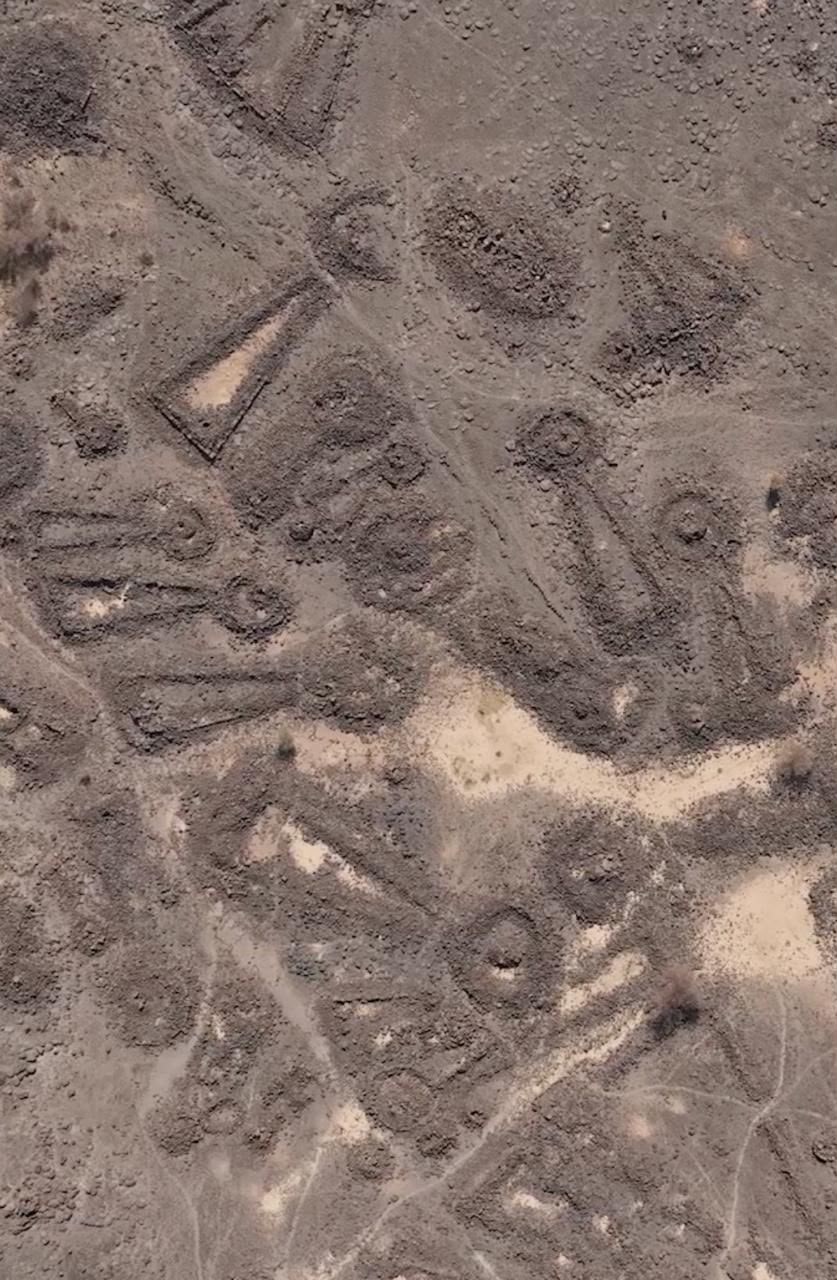
In Dadan, the second phase of the Dadan Archaeological Project begins, which will continue the previous five-year project and focus on the funerary and residential zones of one of AlUla's major ancient centers. In Khaybar, research will examine the relationship between people and the oasis across different eras — from the Neolithic to the Islamic periods — as well as sedimentary deposits, ancient natural conditions and resources that influenced settlement and cultural change.
Routes and written heritage
In the south of AlUla, historic pilgrimage and trade routes will be studied, including forts, railway stations and other remains of infrastructure that connected the region with neighboring territories. A separate area is written heritage: more than 25,000 inscriptions have been documented in AlUla, representing an important source on the history, languages and cultural interactions of northwestern Saudi Arabia. Specialized work will also cover animal remains, ceramics, water systems and oasis water management.
Education and community
Students from Saudi universities will take part in fieldwork, laboratory analysis, specialized research and digital documentation under the guidance of Saudi and international experts. The program also includes public events linking archaeology with local knowledge: visits to museums, laboratories and archaeological sites. The Commission emphasized that the initiative is part of broader efforts to preserve AlUla's heritage and develop AlUla and Khaybar as centers of archaeological research and cultural exchange under Saudi Arabia's Vision 2030 program.