The key facts
- Russia submitted its G20 delegation list almost two months ago but has received no confirmation from the US — Maria Zakharova
- The G20 foreign ministers' meeting will take place October 30–31 in Atlanta, and the leaders' summit on December 14–15 in Doral, Florida
- Zakharova also requested clarification from Kazakhstan on the new entry rules and commented on the Ukrainian drone incident
Moscow Prepares for the G20 but Fears Obstacles from the US
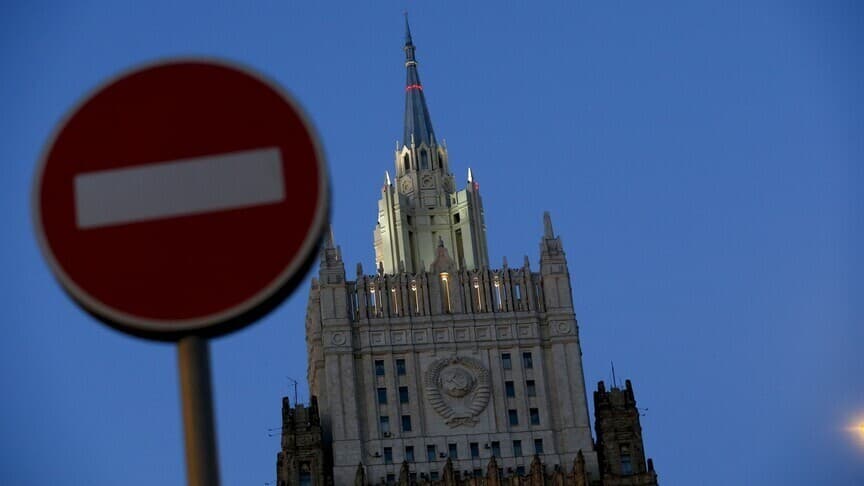
Russia is preparing to take part in the G20 foreign ministers' meeting in Atlanta, Georgia, which will be held on October 30–31, but sees 'alarming tendencies' in US actions that could hinder its full participation. Russian Foreign Ministry spokesperson Maria Zakharova made this statement at a briefing in Moscow. According to her, the Russian side submitted the delegation list to the US almost two months ago, but overnight it emerged that the names had not received the necessary logistical support and confirmation. 'We have been preparing and continue to prepare; our experts are actively working on this,' she emphasized. Zakharova noted that all necessary documents and information had been submitted: 'There is no question of us failing to submit, process, or provide something to anyone.'
Significance of the Meeting and the Summit in Doral
Zakharova called the meeting in Atlanta 'an important preparatory event' for the G20 leaders' summit, which will take place on December 14–15 in Doral, Florida, near Miami. According to her, participants plan to discuss complex issues of the global economy, including food supplies, energy security, and global supply chains. 'We are observing, to put it mildly, alarming tendencies that could hinder the realization of this scenario,' she said. Earlier, Kremlin press secretary Dmitry Peskov reported that a decision on Russian President Vladimir Putin's personal participation in the summit in Doral had not yet been made. US President Donald Trump had said he would be glad to see Putin participate.
Clarifications on Kazakhstan's Entry Rules
Zakharova also said that Russia expects additional clarifications from Kazakhstan on the new entry rules, which will also affect citizens of the Eurasian Economic Union (EAEU) states. 'We certainly respect the republic's sovereign right to improve its national migration legislation,' she said, adding that Moscow awaits explanations on the application of the new provisions taking into account existing international agreements, including within the EAEU and other Eurasian migration structures. According to her, the clarifications will help inform citizens in a timely manner and facilitate travel, employment, business ties, and humanitarian contacts between the countries. The government of Kazakhstan previously approved rules introducing electronic entry permits for citizens of Russia and other visa-free countries starting July 1, 2027: the permits will be free of charge and must be issued no later than 72 hours before crossing the border. From November 2026 to July 1, 2027, the absence of a permit will not be grounds for denial of entry, although border guards will inform travelers of the requirement; from July 1, 2027, it will become mandatory.
Ukrainian Drone Incident: Vilnius and Warsaw Disagree
Zakharova also questioned the reaction of Poland and Lithuania to the Ukrainian drone that flew into their territory, stating that Moscow expects a response from Warsaw and Vilnius. With irony, she suggested several possible measures against Kyiv: closing diplomatic missions, expelling Ukrainian diplomats, summoning Ukrainian ambassadors for an official protest, or preparing a sanctions package against Ukraine. 'We assume that simply closing the Ukrainian House here, of course, will not suffice,' she said. Polish Prime Minister Donald Tusk earlier called on the Ukrainian authorities to explain how a Ukrainian drone flew over Polish territory and then exploded in Lithuania. Lithuanian Defense Minister Robertas Kaunas reported on October 18 that the drone, which triggered an air raid alert, had taken part in Ukraine's attack on St. Petersburg. Lithuanian Prime Minister Min daugas Sinkevičius said the drone, launched from Ukrainian territory, was carrying explosives. Vilnius and Warsaw disagree in their assessments of the drone's flight path; it fell in northern Lithuania. Lithuania claims the drone was Ukrainian, took part in the attack on St. Petersburg, was deflected by Russian electronic warfare systems, and fell in Lithuania; according to the Lithuanian army, it entered Lithuanian airspace from Poland. Polish media, however, reported that the drone was launched from Lithuanian territory, approximately 30 kilometers (18.6 miles) from the Polish border.