The key facts
- September inflation: Finland 2.7%, Germany 3.3%, Lithuania 6.1% against a eurozone average of 3.8% and an ECB rate of 2.50%
- Energy added 1.71 pp to eurozone inflation; in Lithuania energy rose 33%, in Germany motor fuel rose 37.1%
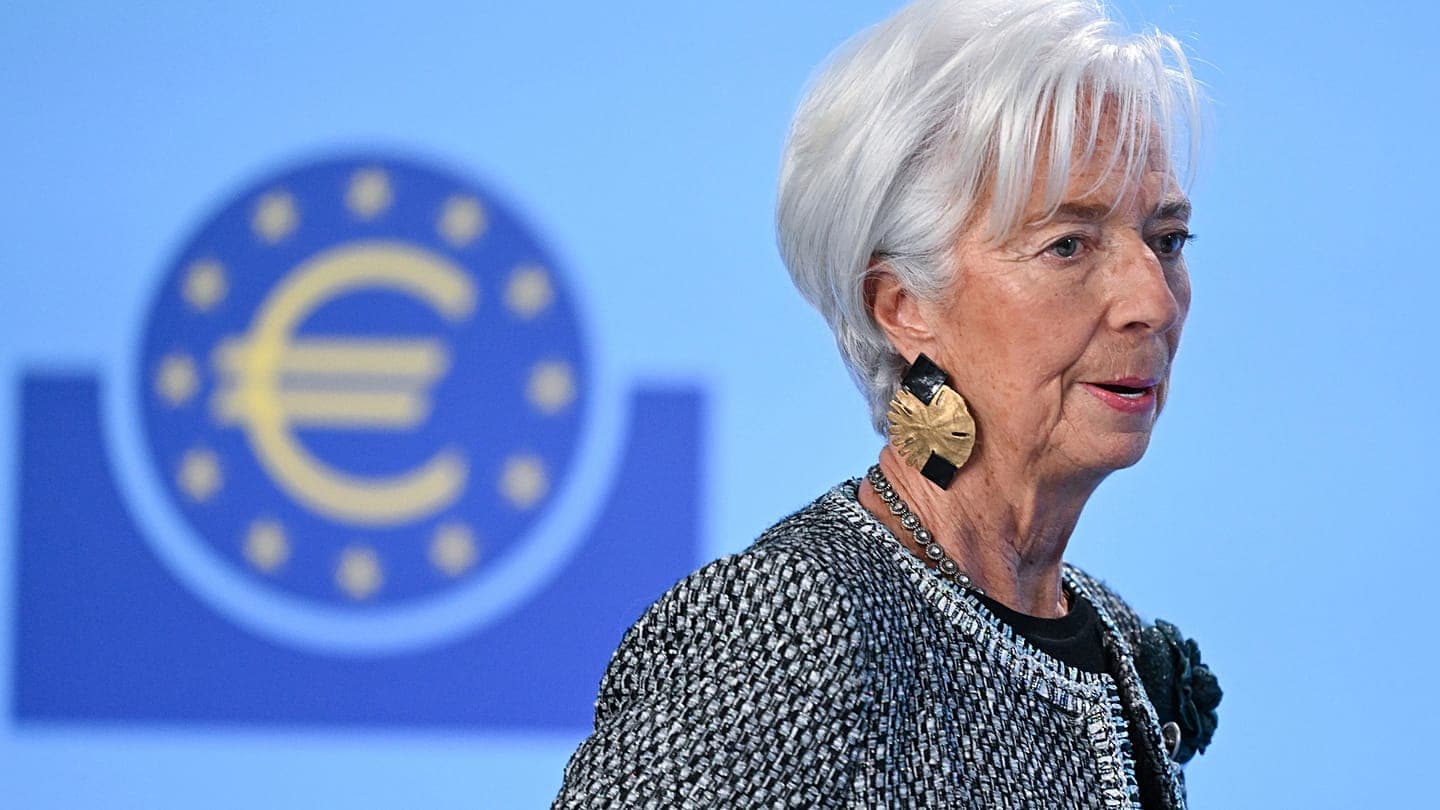
- In September the ECB raised the deposit rate from 2.25% to 2.50%, citing the Middle East conflict and the incomplete pass-through of the energy shock
One shock, different outcomes
Three eurozone countries live under the same ECB rate, yet their inflation differs by more than a factor of two. According to the harmonised Eurostat index published in October, annual inflation in September was 2.7% in Finland, 3.3% in Germany and 6.1% in Lithuania, against a eurozone average of 3.8%. All three countries face the same ECB deposit rate of 2.50%. The common cause is energy: energy prices in the eurozone rose 18.9%, adding 1.71 percentage points to inflation — almost half of the final figure. Without energy, inflation would have been 2.3%. How the shock manifests depends on a country's energy mix, tax decisions and the state of its domestic economy.
Lithuania: energy, taxes and wages
Lithuania tops the list, and food is not the reason: inflation for food, alcohol and tobacco was just 0.5%, while energy rose 33.0% and services 6.9%. The IMF links the spike to high energy prices amid persisting import dependence, strong domestic demand and higher excise duties. From January, Lithuania raised VAT on heating, hot water and firewood from 9% to 21%; according to the government's budget estimate, this change alone added 0.5 pp to inflation. Core inflation reached 3.9%. The Bank of Lithuania expects average wages to grow 9.4% in 2026, and the European Commission links services inflation to rising labour costs and an 11.1% increase in the minimum wage. Pensioners, benefit recipients and low-income households with large energy bills are the most vulnerable. There is also a second-round risk: the labour-intensive service sector may pass wage growth into prices.
Finland: softened but sluggish price growth
Finland faced a comparable energy shock — energy rose 13.1% — yet overall inflation remained at 2.7%. According to the European Commission, a relatively low dependence on fossil fuels softened the blow. Statistics Finland notes that cheaper electricity and the costs of owner-occupied housing held down the national index, despite rising prices for petrol, diesel and heating oil. Domestic pressure is weak: core inflation is 1.4%, services 1.7%. The Bank of Finland forecasts unemployment of 10.4% in 2026, and the European Commission forecasts GDP growth of 0.8%. Nominal incomes in the third quarter rose 3.5% year on year (1.2% in real terms). This combination explains why a new rate hike may look excessively tight from Helsinki's perspective.
Germany: a spike concentrated in fuel
Germany sits in the middle: energy rose 13.4%, core inflation is 2.5%. According to the national statistics office Destatis, motor fuel rose 37.1% and heating oil 74.9%; without these two items, inflation was 1.8%. Wage pressure is moderate: negotiated wages in August rose 2.9% year on year, and the Bundesbank forecasts the same average figure for 2026; services inflation is 2.8%. Politics complicates the picture: existing federal measures lowered prices for electricity, gas and heat, and a new cut to the fuel tax took effect on 1 October and is not included in the September data. National interventions can change measured inflation from month to month without eliminating the Europe-wide shock.
What a single rate means
In September the ECB raised the deposit rate from 2.25% to 2.50%, arguing that the Middle East conflict keeps inflation above target and that the full effects of the energy shock have not yet materialised. Simply subtracting national inflation from the rate gives a rough estimate of the real rate: minus 0.2% in Finland, minus 0.8% in Germany and minus 3.6% in Lithuania — although this is not an exact measure, since households and firms base decisions on expected inflation and face different loan rates. The policy dilemmas differ: Finland's weak growth and high unemployment argue against tightening; in Germany the rate is easier to defend with core inflation at 2.5%, but the September acceleration was driven almost entirely by fuel and heating oil; in Lithuania the rate looks soft against 6.1%, although raising rates will not reverse the VAT increase or lower imported fuel prices — they work through cooling demand and containing second-round effects. Policy transmission is also uneven: ECB research shows that policy works faster and more strongly where floating-rate loans are widespread and household debt burdens are high, and Lithuania belongs to the group of countries with floating mortgage rates and short reset periods. At the same time, a recent study covering 2000–2025 indicates that the response of output and inflation to monetary policy is less uneven than often assumed, because some structural differences offset each other.