The key facts
- The venture market is 'dysfunctional': rounds are seen with three different prices at once, and rounds are split into tranches ('tranchopalooza').
- Capital is flowing into defense, robotics, and AI infrastructure; metrics have become less clear — an example is Anthropic's early valuation with negative margin.
- Shailendra Singh (Peak XV) predicts a correction in 2027 and cautions against 'inflated' ARR figures.
The Series A market has become 'dysfunctional,' investors believe
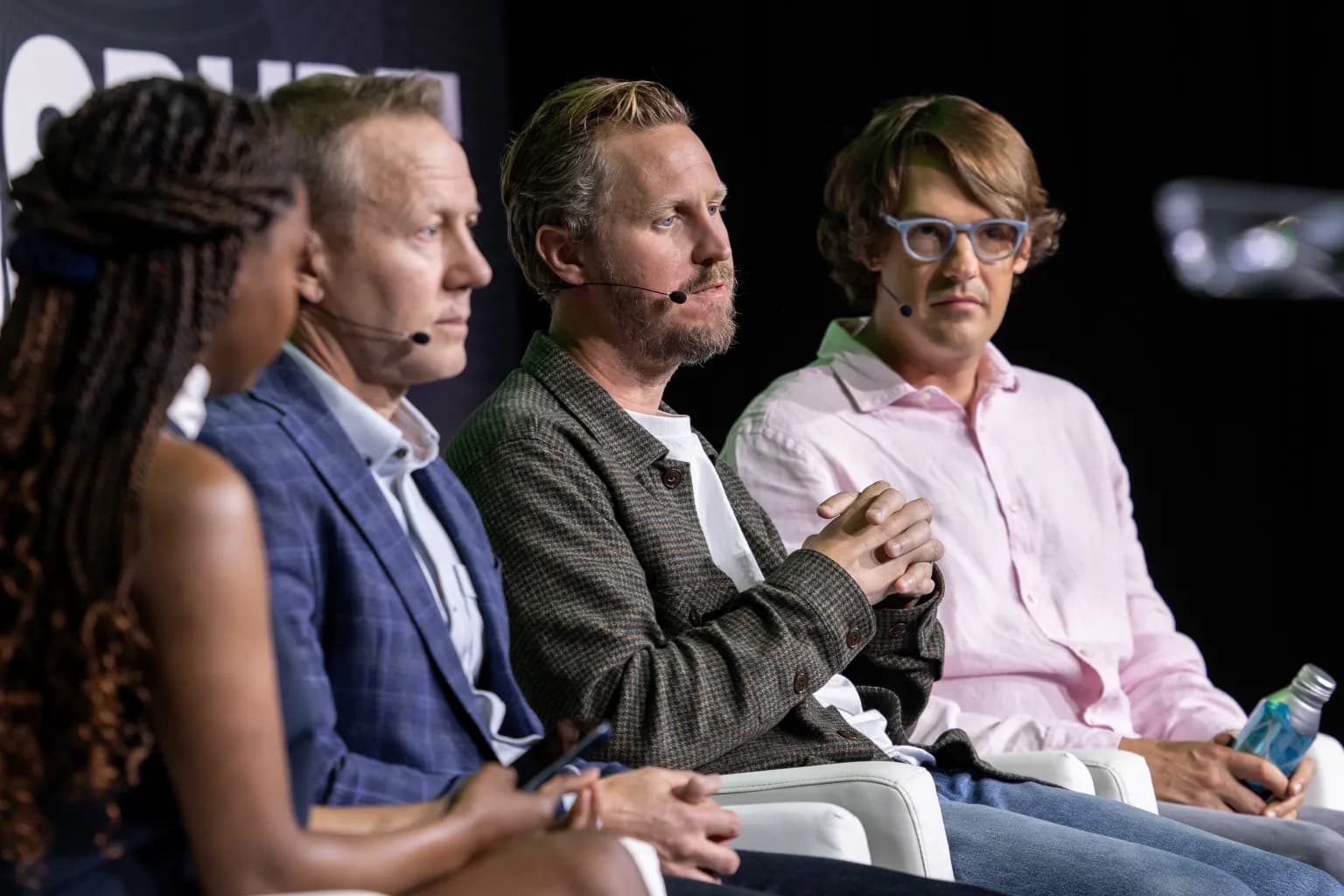
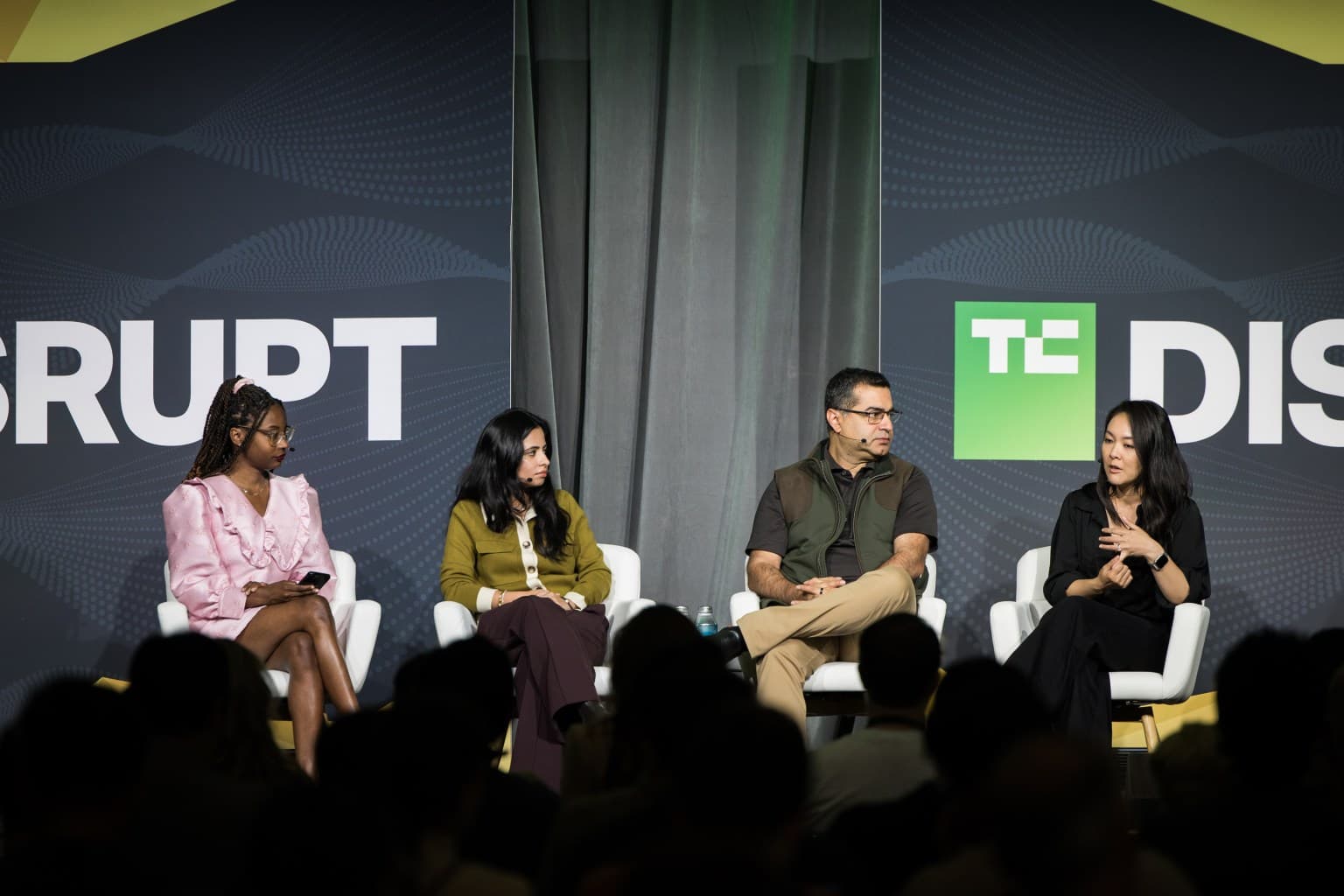
At the TechCrunch Disrupt conference, three investors — Shailendra Singh, managing director at Peak XV, Jahanvi Sardana, partner at Index Ventures, and Janelle Teng Wade, partner at Bessemer — discussed how founders can raise a Series A round today. According to Singh, he has never seen the seed and venture investment market so 'dysfunctional,' and the current period is one of the hardest for raising funding. The burden of proving that a company is 'special' is high, and the spread of terms, amounts, and valuations is very wide. Singh noted that it is now not uncommon for a company to close a round at three different prices at once — in his view, this is 'a crazy sign of an overheated market.' Sardana added that investors call the splitting of rounds into tranches 'tranchopalooza.'
What investors look for in a Series A pitch
The investors listed key criteria. The first is a compelling story about why the founder is capable of building a large company; Singh emphasized that those who attract top-tier talent have the advantage. Teng Wade noted that capital is now flowing into defense, robotics, and AI infrastructure. Fundamental AI companies are moving toward vertical integration, but there is still room for new players — 'neo-clouds' renting out AI compute and 'neo-labs' engaged in AI research.
Metrics have become less certain: the example of Anthropic
Metrics still matter but have become less clear, especially in the AI era, when running a company is extremely expensive. Teng Wade described how her fund evaluated Anthropic at an early stage: the margin was negative and compute costs were enormous. One of the partners believed that AI would turn out to be 'bigger than anything we expected' and that frontier models would become a replacement for other types of software, so even with a loss-making margin, the market would pay off the bet if the company made it into the top three. According to reports, Anthropic is now preparing for an IPO at a valuation of about $2 trillion and this month told investors it was profitable on an adjusted basis — though this metric excludes some costs.
Honesty in presenting data and a warning of a correction
Against the backdrop of inflated annual recurring revenue (ARR) figures, the investors called for honesty. Singh: 'If you show a chart of cumulative revenue or cumulative ARR — that is a huge red flag,' because cumulative data is 'a big lie.' He added that intellectual honesty matters in bull cycles. In his words, the market is full of 'false positives': 'This is the most optimistic venture world in two decades, and that is usually a sign. I think 2027 will be different. I think we will see a correction.'
Advice for founders
Singh reminded that building a company is one of the 'agonizingly difficult' pursuits and advised founders not to rush, to beware of weak product-market fit, and to keep a high bar. Sardana noted the importance of being able to pitch but warned against letting that determine the product: 'It seems founders are deciding what to build based on what is being funded — that is truly frightening.' Teng Wade admitted that her former advice to conservatively estimate projections and asks no longer works: now she tells founders to 'be bold in their asks' and watch the market's reaction in order to adjust their actions.