The key facts
- Families of missing Azerbaijanis held actions outside the European Parliament and European Commission in Brussels, demanding the fate of more than 4,000 missing from the first Karabakh war be established.
- According to the organizers, 32 mass graves have been discovered; DNA testing has identified 328 people, and the remains of 273 have been handed over to families.
- Armenia, for its part, reports hundreds of missing Armenians and is also seeking answers about their fate.
Actions in Brussels
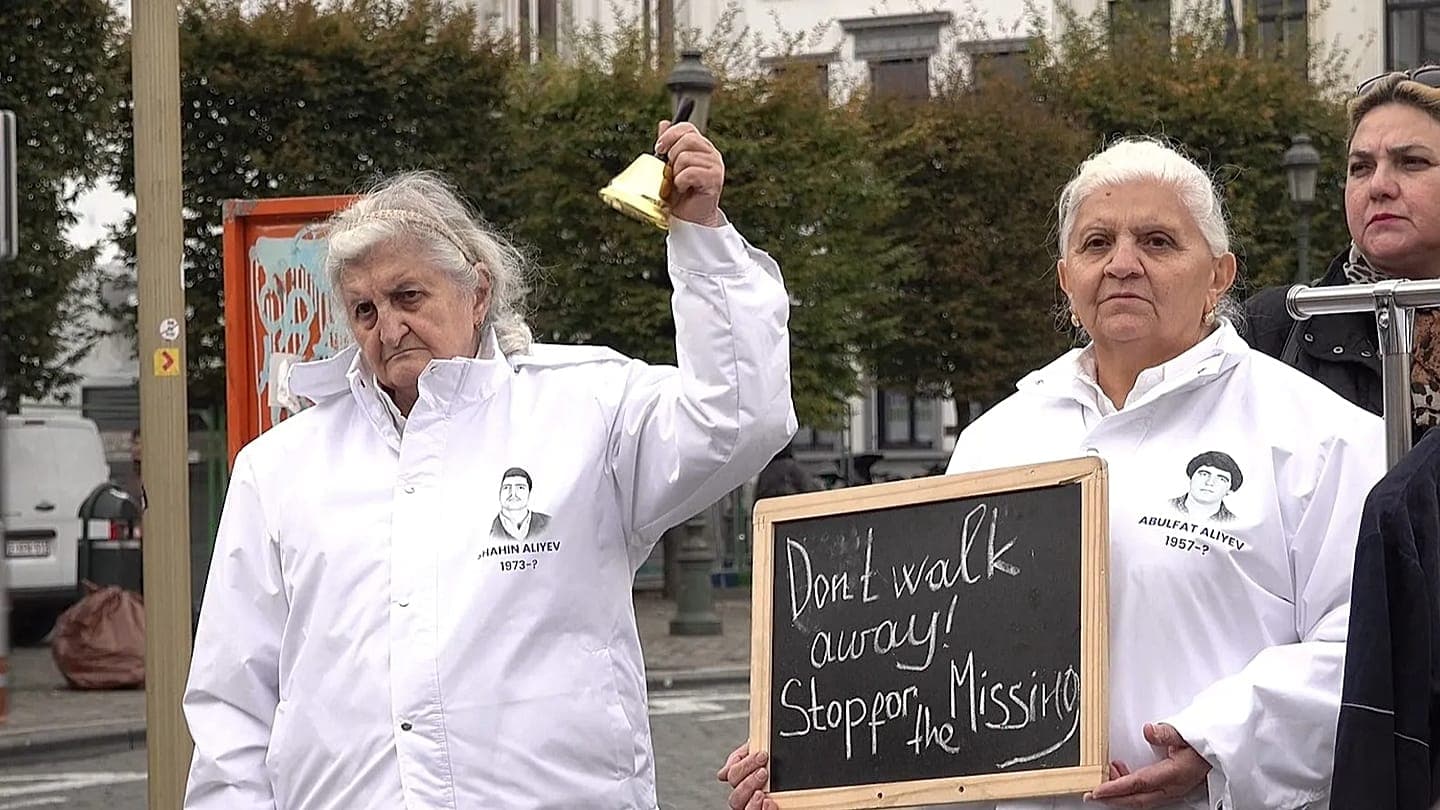
This week in Brussels, demonstrations by families of missing Azerbaijanis took place in front of the headquarters of the European Parliament and the European Commission. The actions were organized by the Garabagh Missing Families Public Union. Participants demanded that European institutions help establish the fate of more than 4,000 people missing since the first Karabakh war, which ended in 1994. Among the missing are children, women and elderly people. The families called on EU institutions to pressure Armenia to disclose archival information and indicate the locations of mass graves.
Symbolism and personal belongings
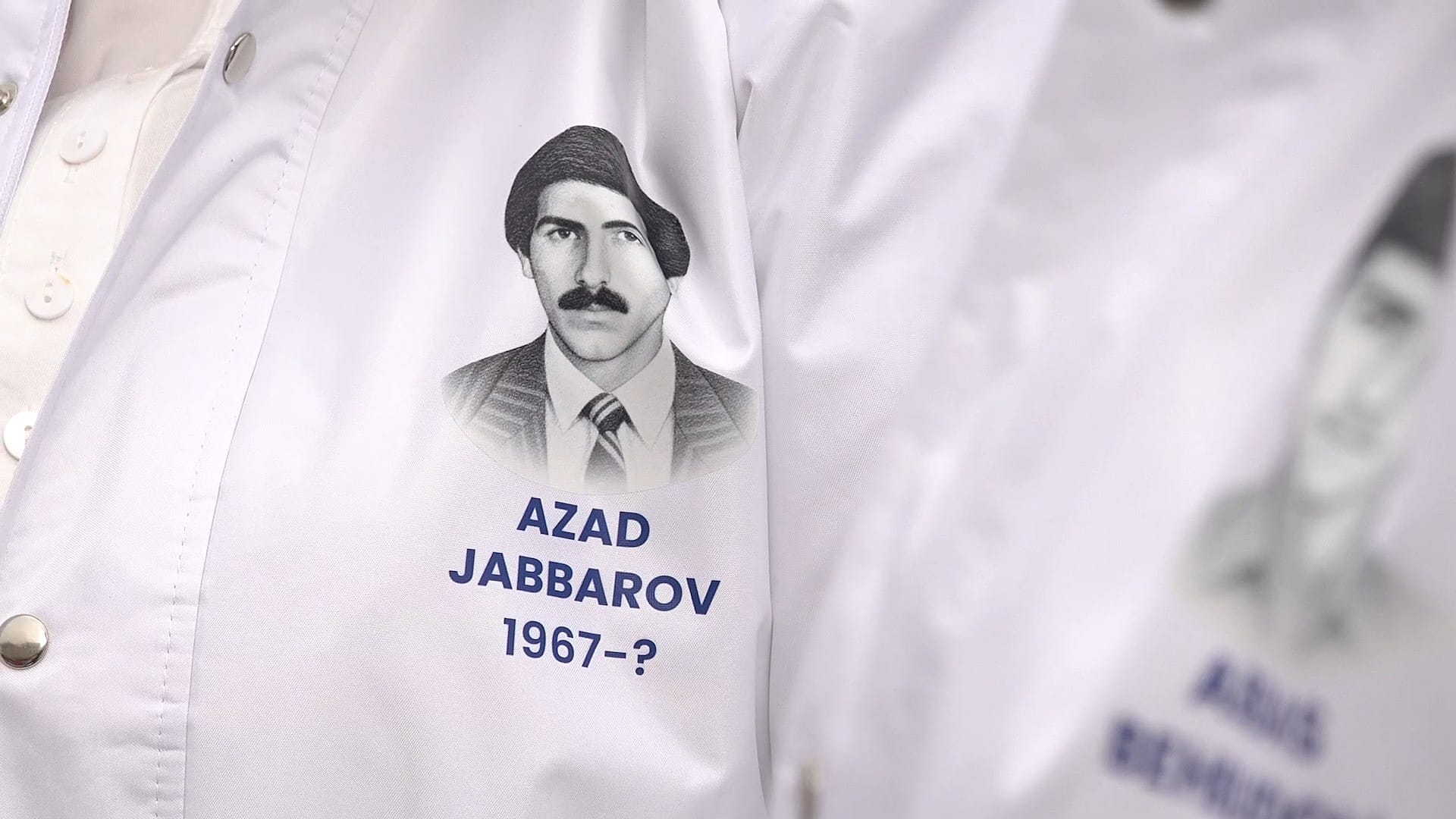
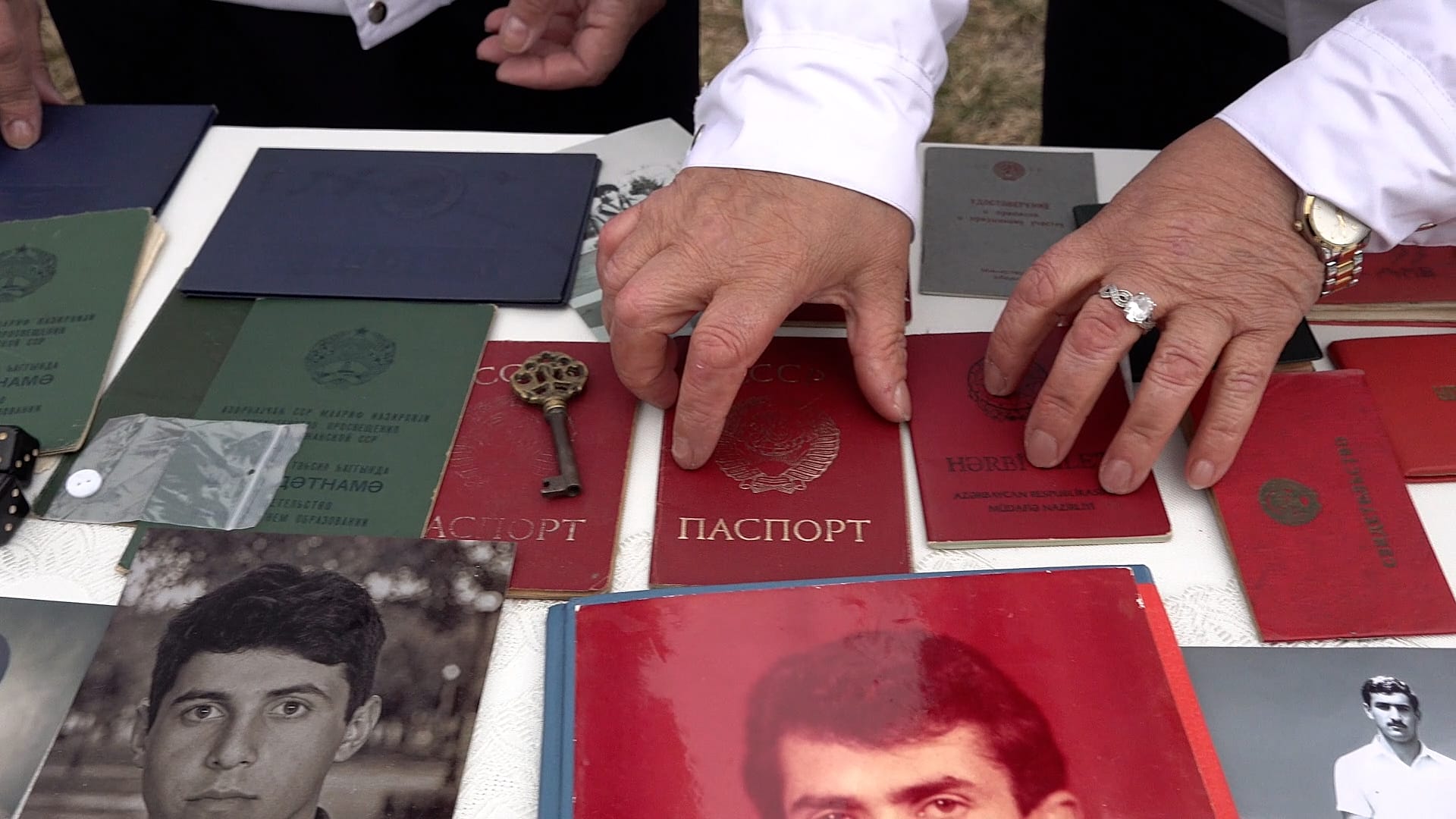
Participants in the action wore white jackets with photographs of their missing relatives, their date of birth and a question mark symbolizing the unknown fate. The demonstration included an exhibition of personal belongings of the missing — passports, photographs and clothing. Participant Farida Jabbarova, whose husband Azad Jabbarov went missing in Khojaly, said: 'For 34 years we have known nothing about him. And here I represent him and more than 4,000 people who went missing and demand justice and information.'
Data on burials and the search
According to the head of the union, Konul Beybudova, 32 mass graves have recently been discovered in Karabakh. DNA testing has identified 328 of the missing, and the remains of 273 of the dead have been handed over to families, but the fate of thousands remains unknown. Beybudova noted that the territories are mined and contaminated with unexploded ordnance, which hampers the search efforts. According to her, the group has not received international recognition or assistance in searching for relatives. Jabbarova added that the families' goal is to find burial sites, obtain any information about the fate of their loved ones, retrieve the remains, bury them and have a grave to visit at a cemetery.
Context of the peace process
The fate of the Azerbaijani families has become part of the broader peace process and reconciliation between Armenia and Azerbaijan after decades of wars over Karabakh, which brought thousands of casualties and refugees to both countries. According to the publication, Armenia has stated that hundreds of Armenians are also listed as missing after the Karabakh wars and is likewise seeking answers about their fate. The families expressed hope that the peace process will help shed light on the fate of their loved ones.