The key facts
- Two dead (a Saudi citizen and an Indian citizen) and eight wounded at Dammam airport — GACA figures
- Two people were killed when a drone was intercepted near the Aramco Shaybah field; per BBC, the energy ministry identified them as residents of the Philippines and Nepal
- Airport operations have resumed; the coalition reported intercepting several drones
Dammam airport attack
Saudi Arabia's General Authority of Civil Aviation (GACA) said the death toll from the attack on King Fahd International Airport in Dammam has risen to two: a Saudi citizen and an Indian citizen were killed. Eight people were wounded — according to GACA, one Saudi citizen, two Indians, two Yemenis, two Bangladeshis and one Nepali. Injuries range from light to severe, and the wounded are receiving medical care in several hospitals. The authority did not specify the nature of the attack. The airport had already been attacked on October 11.
Resumption of operations and damage assessment
GACA stated that airport operations have resumed and air traffic has returned to normal. In coordination with security agencies, damage assessment is ongoing and measures are being taken to ensure the safety of passengers, staff and the kingdom's civil aviation system.
Drone intercepted near Shaybah field
Earlier on Wednesday, Saudi Arabia's energy ministry said air defenses intercepted a drone flying toward an Aramco facility at the Shaybah oil field in the Eastern Province; debris killed two people and wounded two, causing a fire in a contractor's vehicle. Operations at the field were unaffected. According to Anadolu, the ministry did not specify the identities of the dead; BBC, citing the ministry, reports that the deceased were residents of the Philippines and Nepal.
Coalition drone intercepts
The Saudi-led coalition announced on Wednesday that it had intercepted and destroyed five drones launched toward the kingdom, including in the Eastern Province and the Medina region (Anadolu). BBC, citing the coalition, also reports four more drones intercepted overnight into Wednesday. The Houthis did not promptly comment on the events; earlier they said they attack Saudi airports, energy facilities and military bases in response to coalition airstrikes on territories under their control.
Context of escalation
According to Saudi authorities cited by BBC, at least 21 people have been killed in Houthi attacks on Saudi airports since the beginning of October; the strike on Riyadh International Airport on October 10 killed 13 people and wounded 308 — the deadliest attack in the country in more than a decade. The Houthi military spokesman said they hit military equipment at al-Mukalla airport in Yemen. According to the Houthi health ministry, 155 civilians were killed in three days of conflict escalation; the government health ministry reports 1,574 dead, and the UN — more than 256,000 displaced people. The informal truce began to fall apart in July, when the Houthis declared a 'sea blockade' of Saudi Arabia; in September they seized part of Yemen's southwestern coast near the Bab el-Mandeb strait, contributing to rising oil prices. Pro-Saudi forces said they had regained control of territories near the strait, but fighting there and around Taiz, Marib, al-Jawf, Dhale and Shabwa continues.
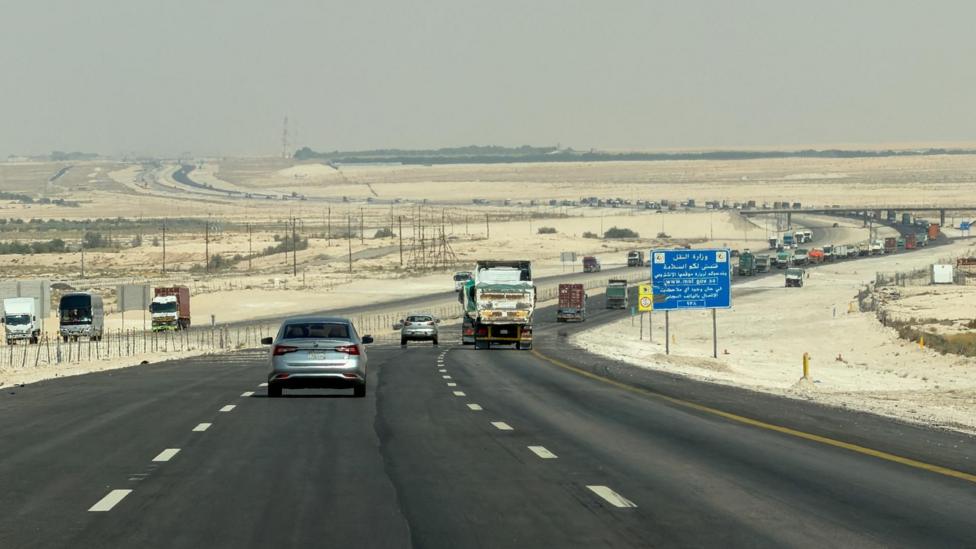 Image source, Reuters
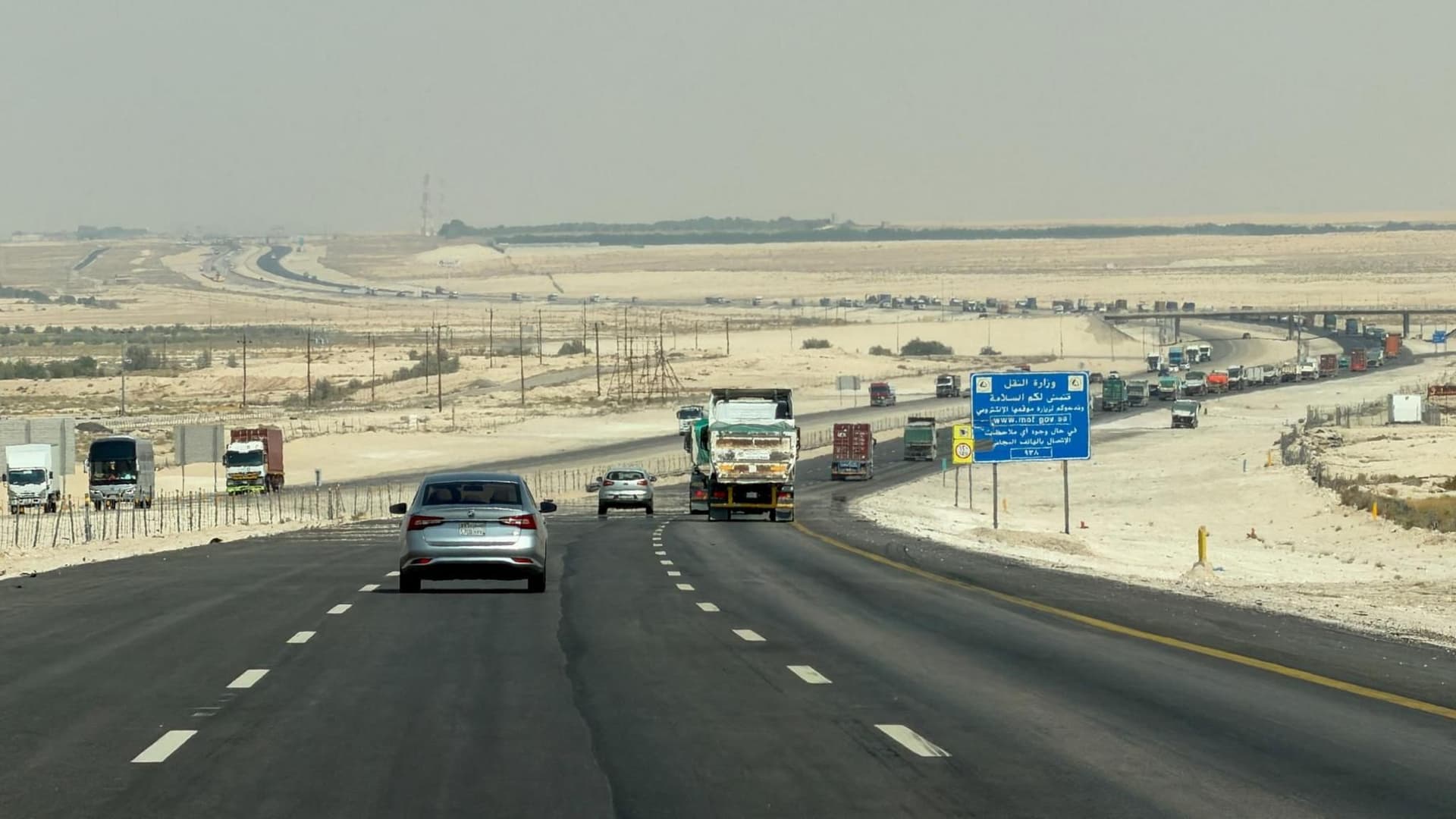
Dammam is the largest city in Saudi Arabia's oil-rich Eastern Province