The key facts
- Over 70,000 migrants entered Ceuta from Morocco on 30–31 July
- The crisis is influencing residents' voting ahead of next month's elections
- A community leader warns of radicalising right-wing rhetoric
The Ceuta crisis remains at the centre of the political agenda
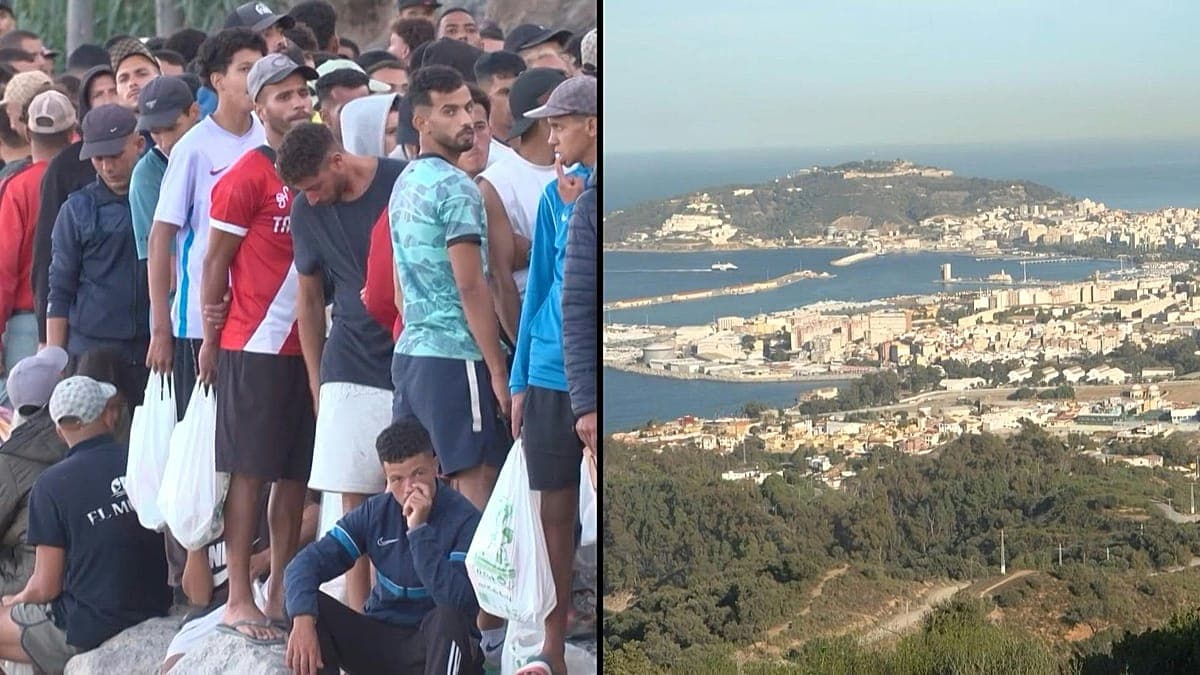
More than two months after over 70,000 migrants arrived in the Spanish enclave of Ceuta from neighbouring Morocco on 30 and 31 July, the crisis continues to shape political debate ahead of next month's elections. This is reported by Euronews in a piece dated 22 October 2026.
Residents are switching their vote and demanding tough measures
According to Euronews, some residents say the authorities' response has affected their voting intentions, while others are calling for a tougher stance on migration. Schoolteacher Esperanza Ansedé, who previously voted for the socialists of Prime Minister Pedro Sánchez, said she now intends to vote for the centre-right People's Party. Beautician Jema Miralles, who identifies as right-wing, stated that she wants tougher migration policy from the right-wing parties, especially with regard to Ceuta.
Warning about the radicalisation of rhetoric
Community leader Ahmed Enfed-Dal, according to Euronews, warns that right-wing rhetoric has become more radical and calls on left-wing parties to unite against the far right.